
How to read a menu
How to read a Chinese menu
You are standing in front of a menu with no pictures and no English, and someone is waiting. This is about that moment.
What actually makes it difficult
Characters give you no phonetic help at all, so unlike Thai or Japanese there is no partial route in via an alphabet. Menus are also frequently regional — the same characters mean different dishes in Sichuan and Guangdong — and picture menus tend to appear only in tourist areas.
Eliminate sections before you read dishes
Chinese menus are grouped by how the food is cooked, and that grouping does most of the work for you. Ruling out a whole section is faster than reading twenty dish names.
Served first. Often vinegared, often more interesting than they look.
The bulk of most menus. Oyster sauce and soy do most of the work.
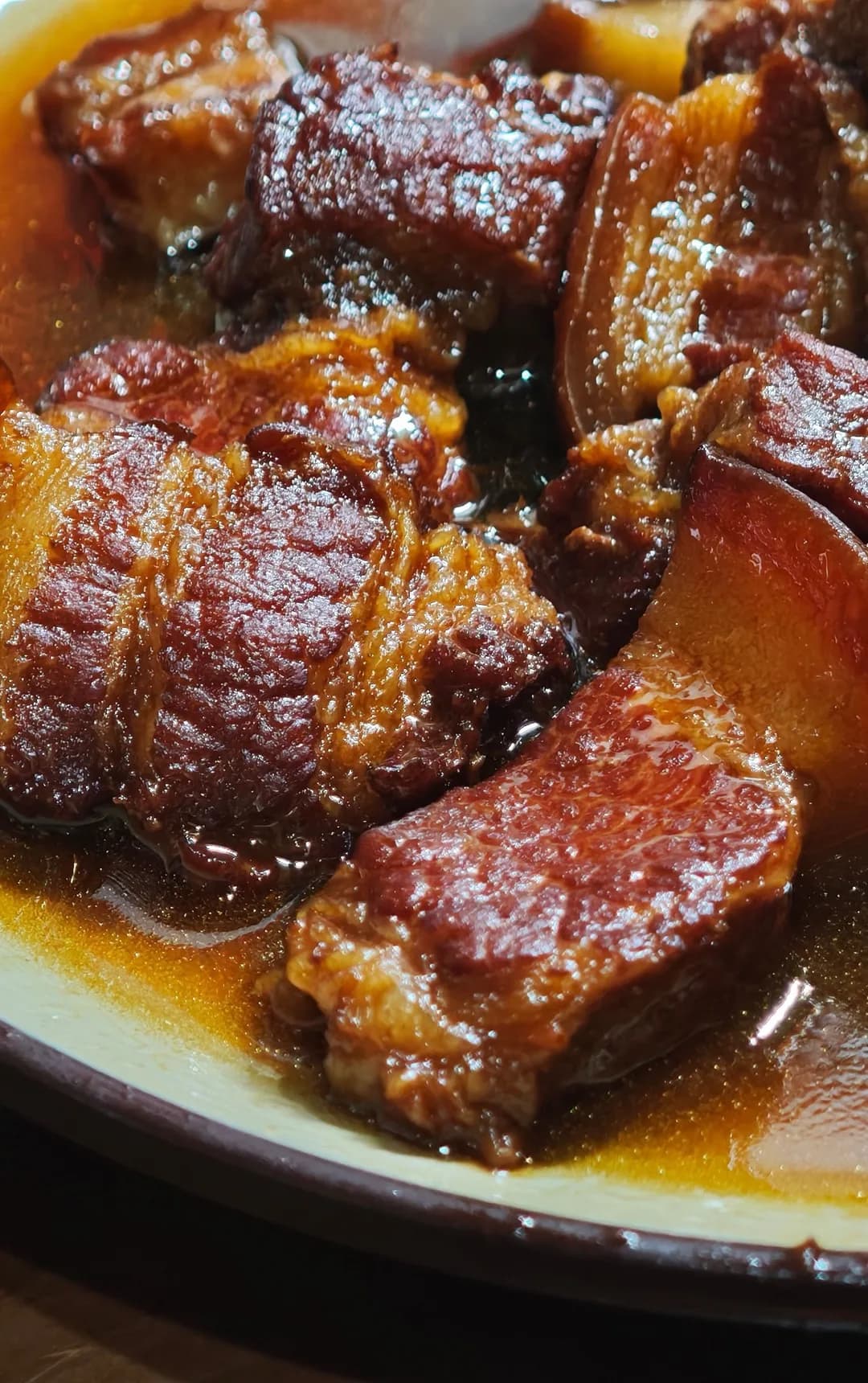
Slow-cooked, deeply savoury, usually mild.
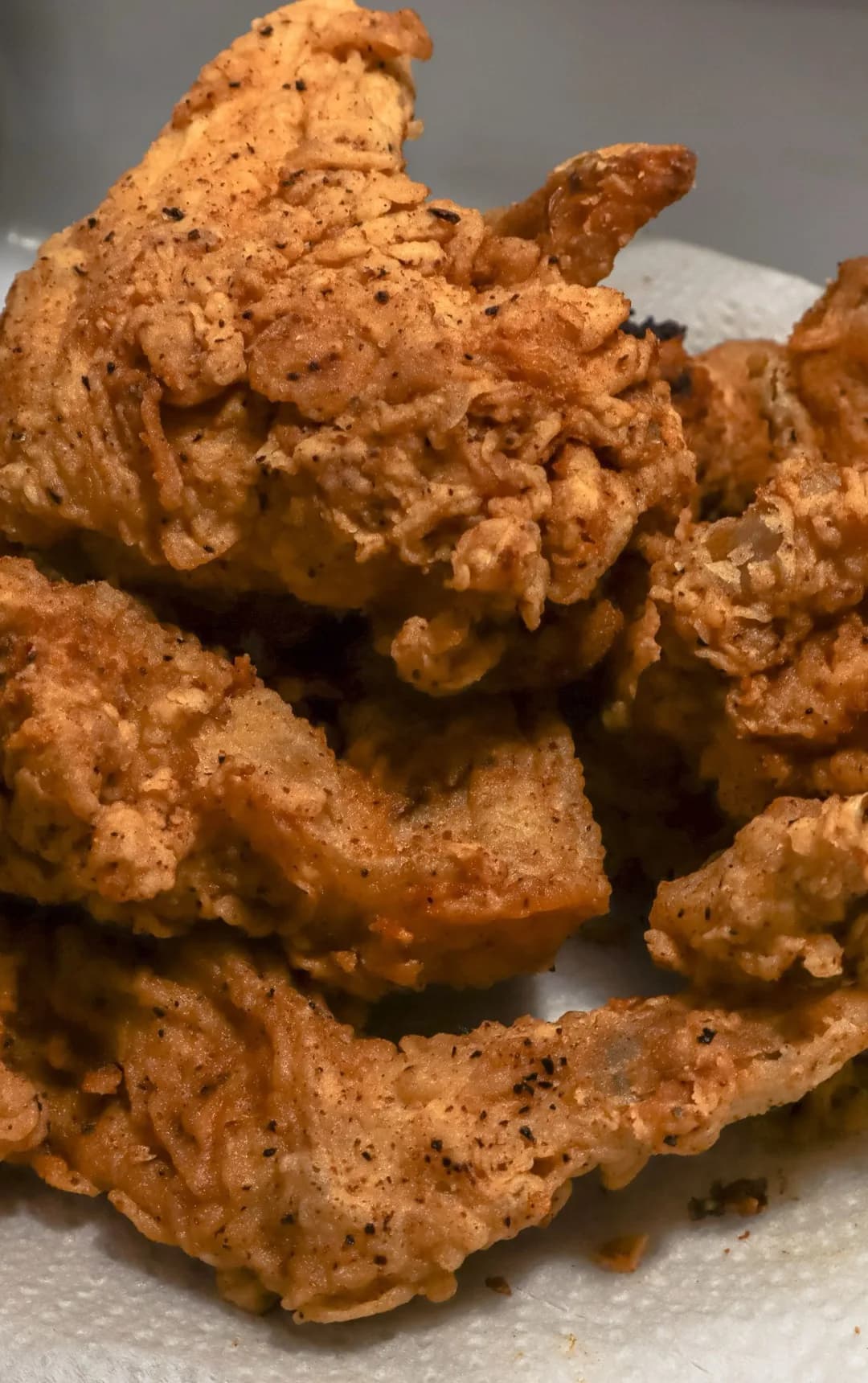
Reliable ground for anyone who wants something familiar.
Small steamed and fried plates, mostly at lunch.
Words worth recognising
Not a phrasebook. Five things that change what you order.
stir-fried
steamed
spicy — the single most useful character to recognise
vegetarian
beef / pork / chicken
Translation is not interpretation
A translator converts words, which sounds like the job and is not. The output is frequently correct and useless at the same time.
狮子头
Translated word-for-word: “lion's head”
A large pork meatball, usually braised. The name describes its size, not its contents.
What Chinese menus don’t print
Nobody is hiding anything. These are foundational ingredients that a Chinese kitchen treats the way you treat salt — not an ingredient, a medium. That is exactly why they never appear in a description.
A default seasoning in an enormous number of stir-fries, including plain greens.
Vegetable dishes and soups, as a base seasoning.
Dried shrimp in XO sauce and many fillings; shrimp paste in some regional dishes.
Most soy sauce contains wheat, which surprises people who assume soy means soy.
Recipes vary between restaurants and change without notice, so treat all of this as what to raise with the kitchen rather than a guarantee about any particular dish. The staff always have the final word.
TableSage reads menus using an AI language model, which gets things wrong sometimes.
Or photograph it and skip the alphabet.
TableSage reads the menu in front of you and tells you what each dish actually is.