
Why am I a picky eater?
Two different things get called picky eating, and researchers measure them with different instruments. Telling them apart explains a lot — including why food recommendations usually feel wrong.
The distinction almost everything gets wrong
There are two separate reasons a person turns down a dish, and they are not points on one scale.
The first is food neophobia — reluctance to try something because it is unfamiliar. The rejection happens before tasting. It is about novelty, not flavour, and it is measured with the Food Neophobia Scale (Pliner & Hobden, 1992), a ten-item questionnaire that remains the only neophobia instrument validated against actual behavioural food-choice tests.
The second is picky eating — rejection on sensory grounds. Taste, texture, smell, appearance. It happens during or after tasting, and crucially it applies to familiar foods too. It is measured with different tools entirely: the picky-eating subscale of the Nine Item ARFID Screen (Zickgraf & Ellis, 2018), and the Adult Picky Eating Questionnaire (Ellis, Galloway, Zickgraf & Whited, 2017), which resolves into four factors — meal presentation, food variety, meal disengagement, and taste aversion.
These are different axes. Someone can be highly adventurous and still gag on a texture. Someone can be cautious about anything unfamiliar and love intense flavours once they know them. Collapse the two into a single 'how adventurous are you?' slider and you lose the ability to describe either person.
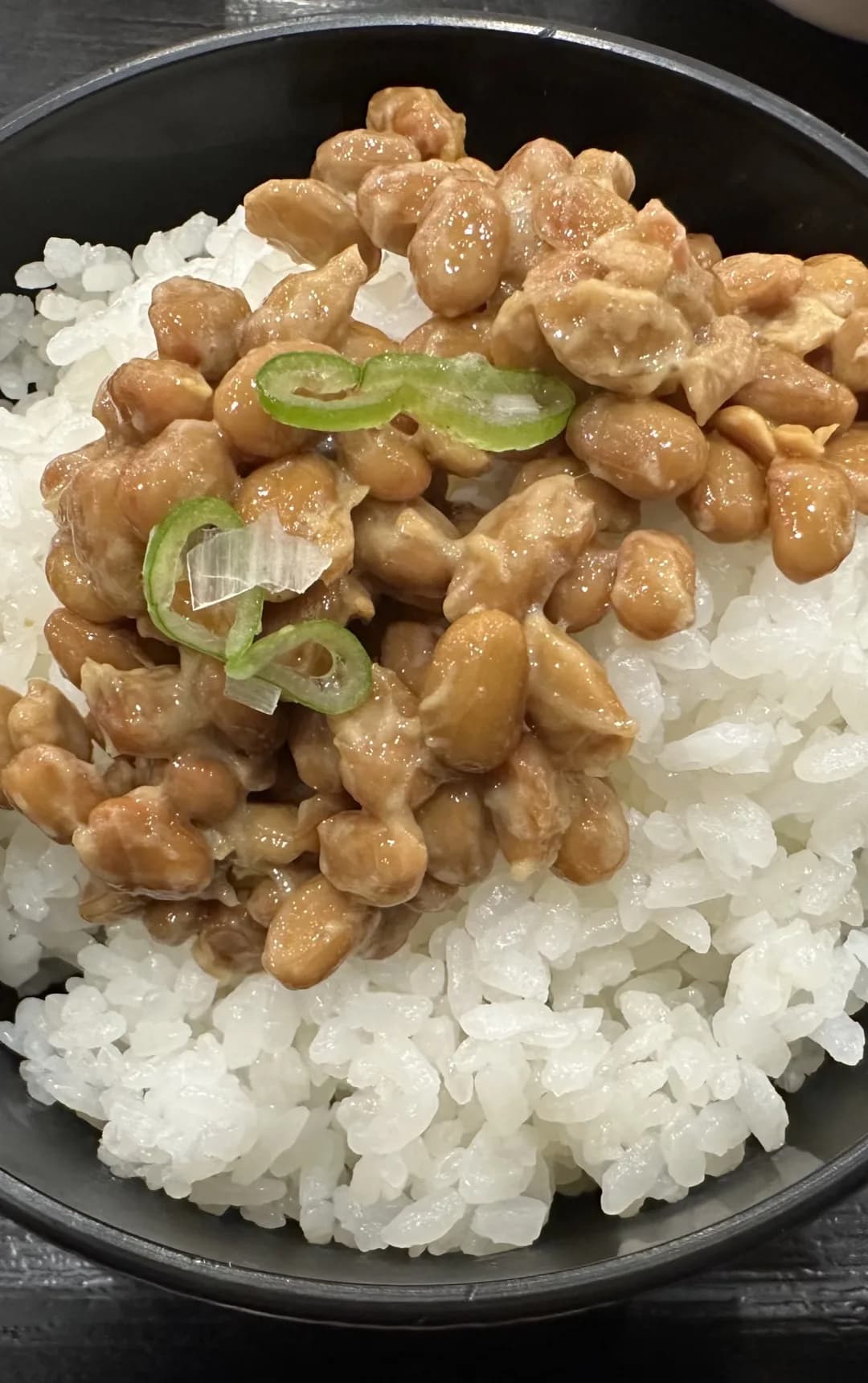
Rejected before tasting
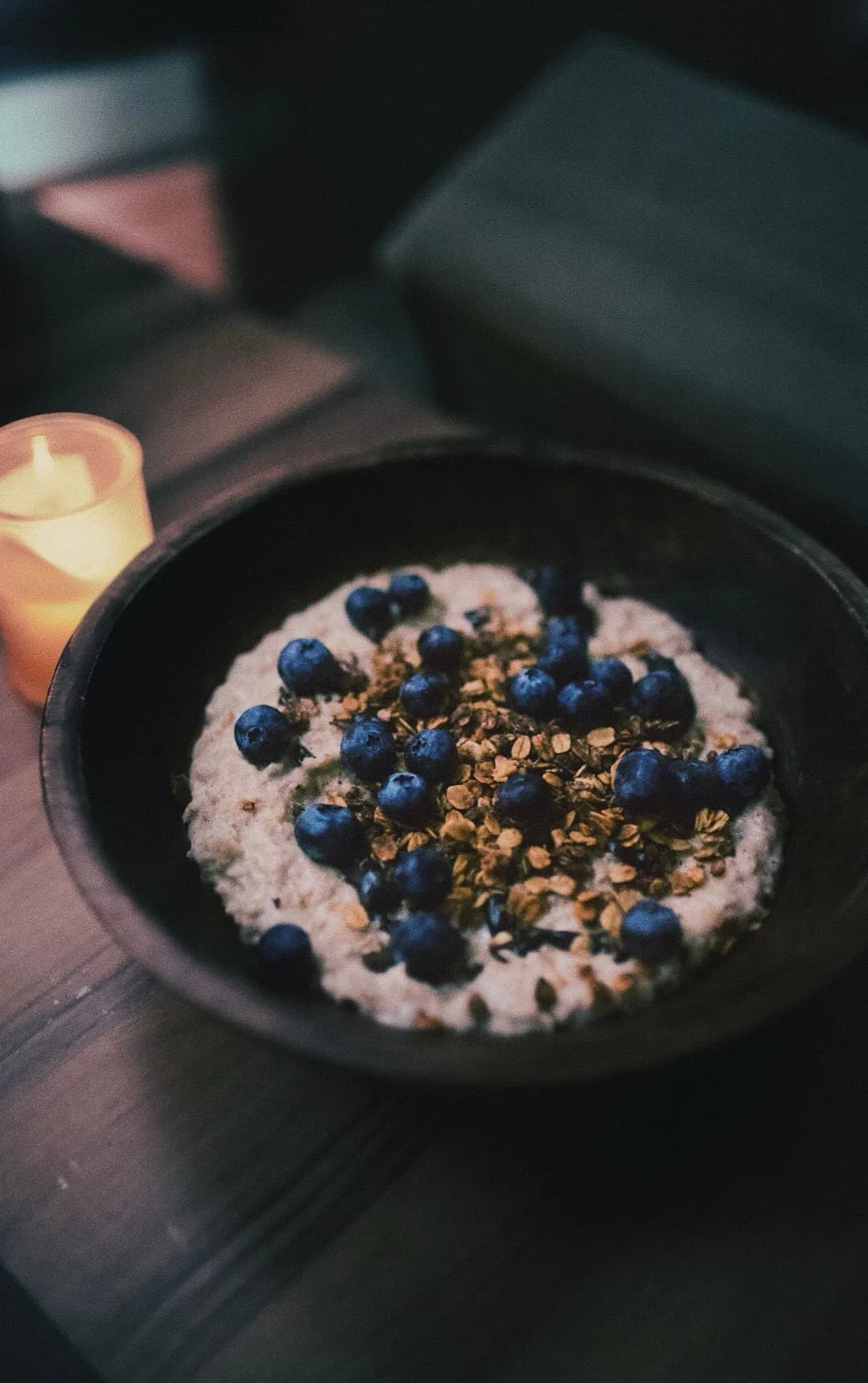
Rejected on the tongue
Some of it is genuinely not your fault
A few well-documented findings make the point that this is not simply fussiness.
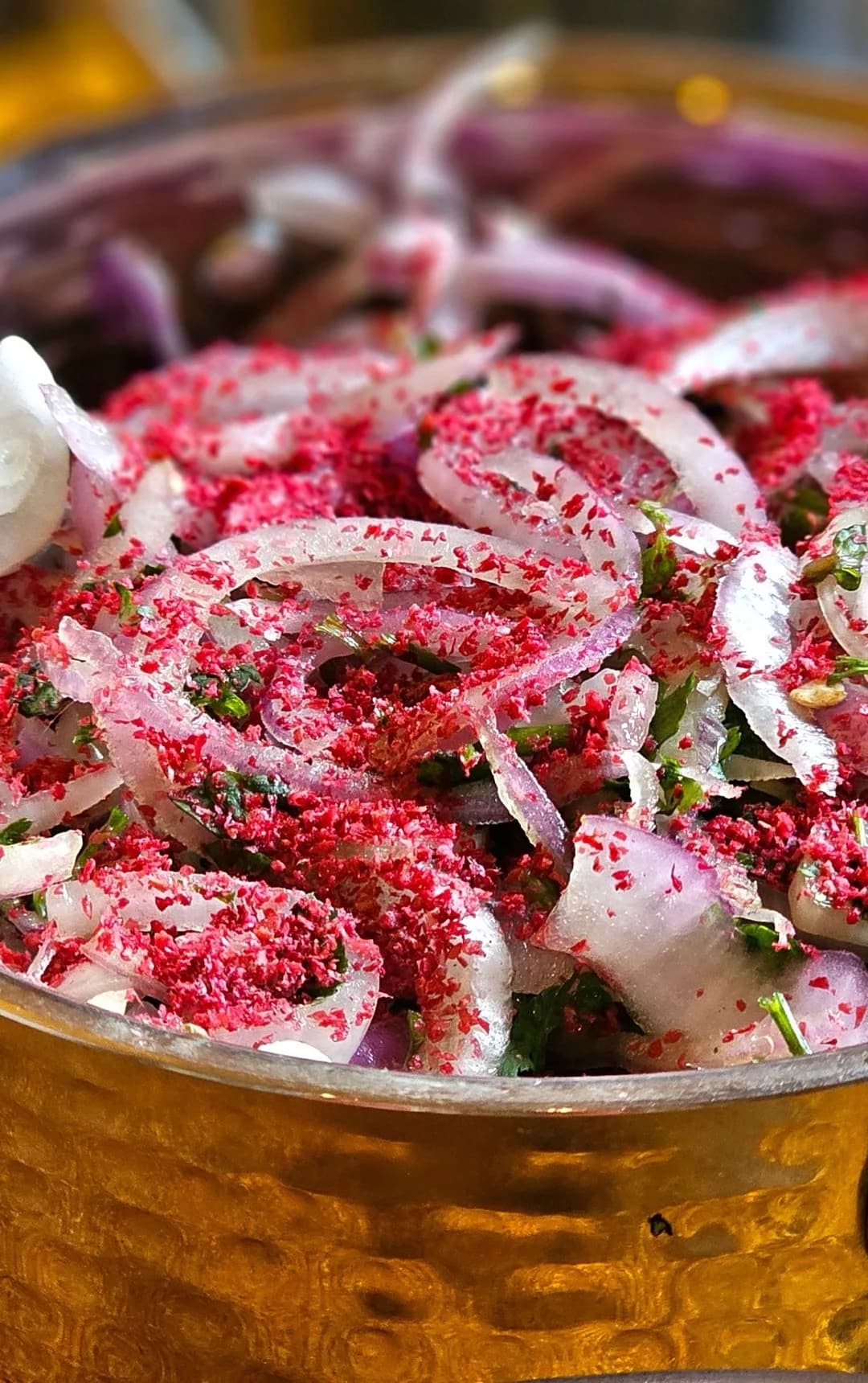
Coriander tastes like soap to some people, and that is genetic. A genome-wide study (Eriksson et al., 2012) linked the soapy perception to a variant near a cluster of olfactory receptor genes, including OR6A2. People who report it are not being difficult; they are receiving a different signal.
Bitterness is not perceived equally. Sensitivity to the compounds PROP and PTC, driven largely by the TAS2R38 gene, splits populations roughly into a quarter who barely taste them, half who taste them moderately, and a quarter who find them intense. If black coffee, grapefruit or raw kale are genuinely unpleasant to you, that is a plausible reason.
Intensity itself differs. Research on adult picky eaters found they rate both bitter and sweet tastants as more intense than others do — which is a useful warning against assuming that someone who avoids bitter food must therefore be chasing sugar.
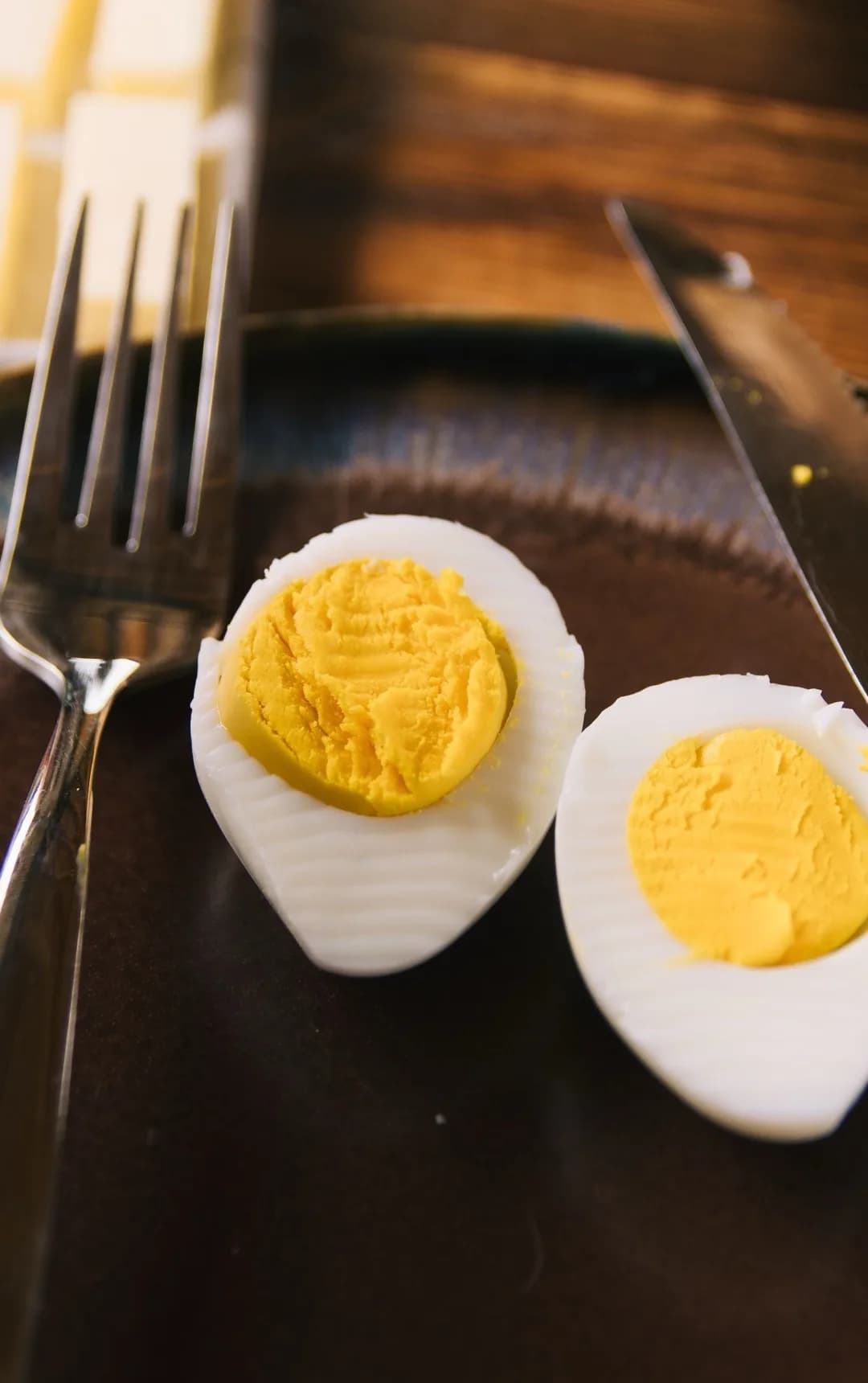
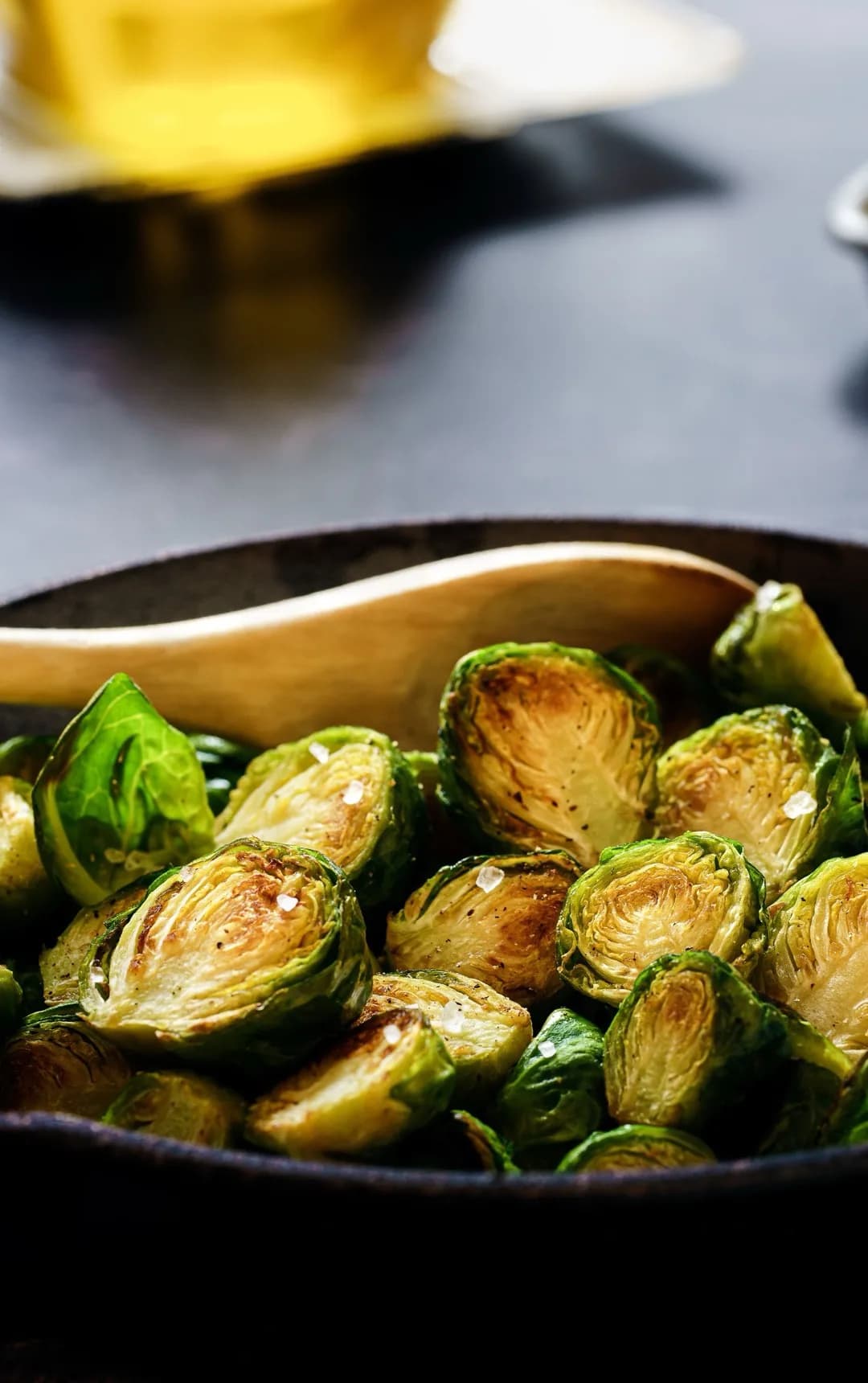
Texture is a category of its own. Tactile sensitivity is repeatedly identified as distinct from flavour preference, which is why 'slimy' and 'mushy' are reasons people reject food that have nothing to do with how it tastes.
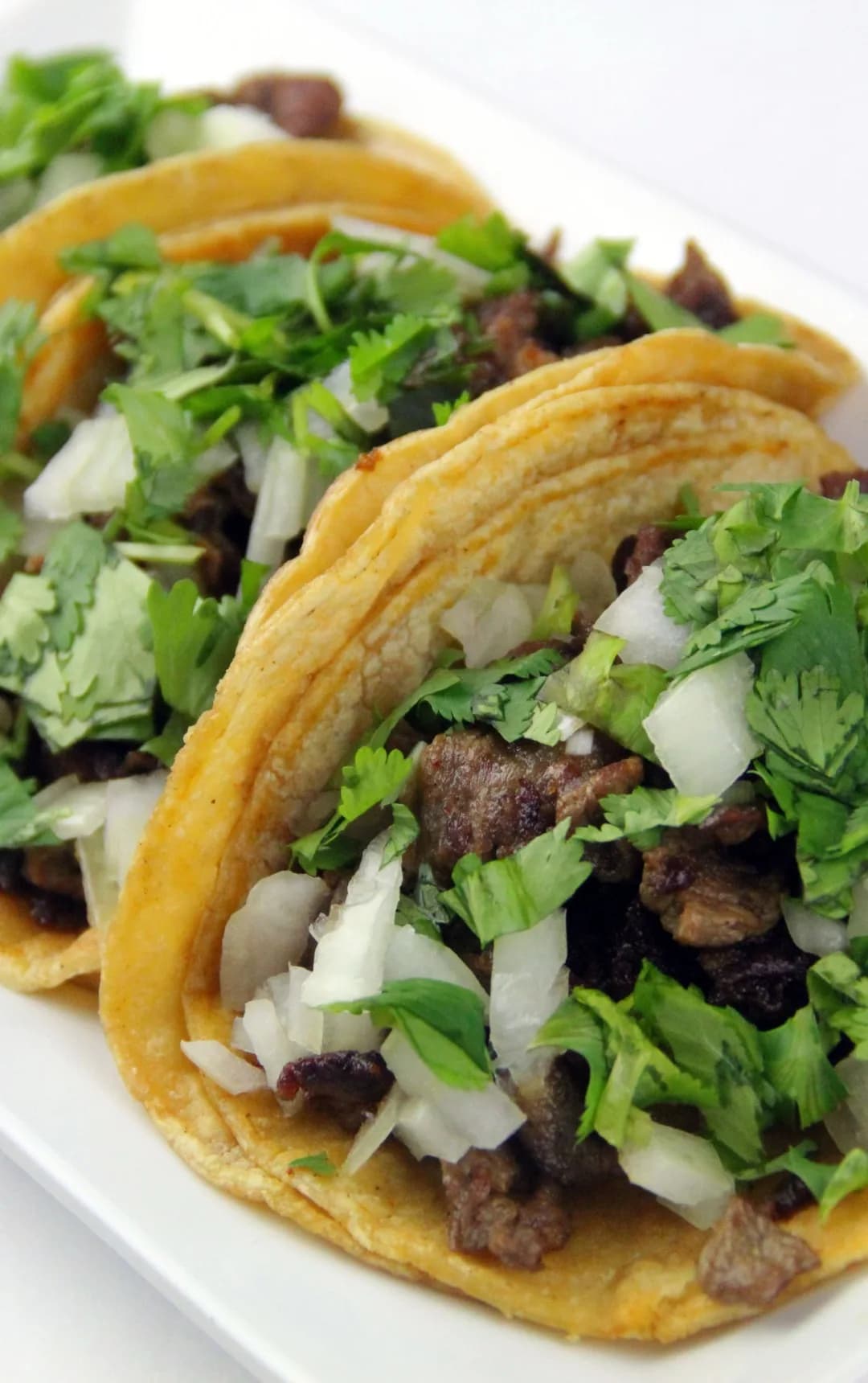
OR6A2
TAS2R38
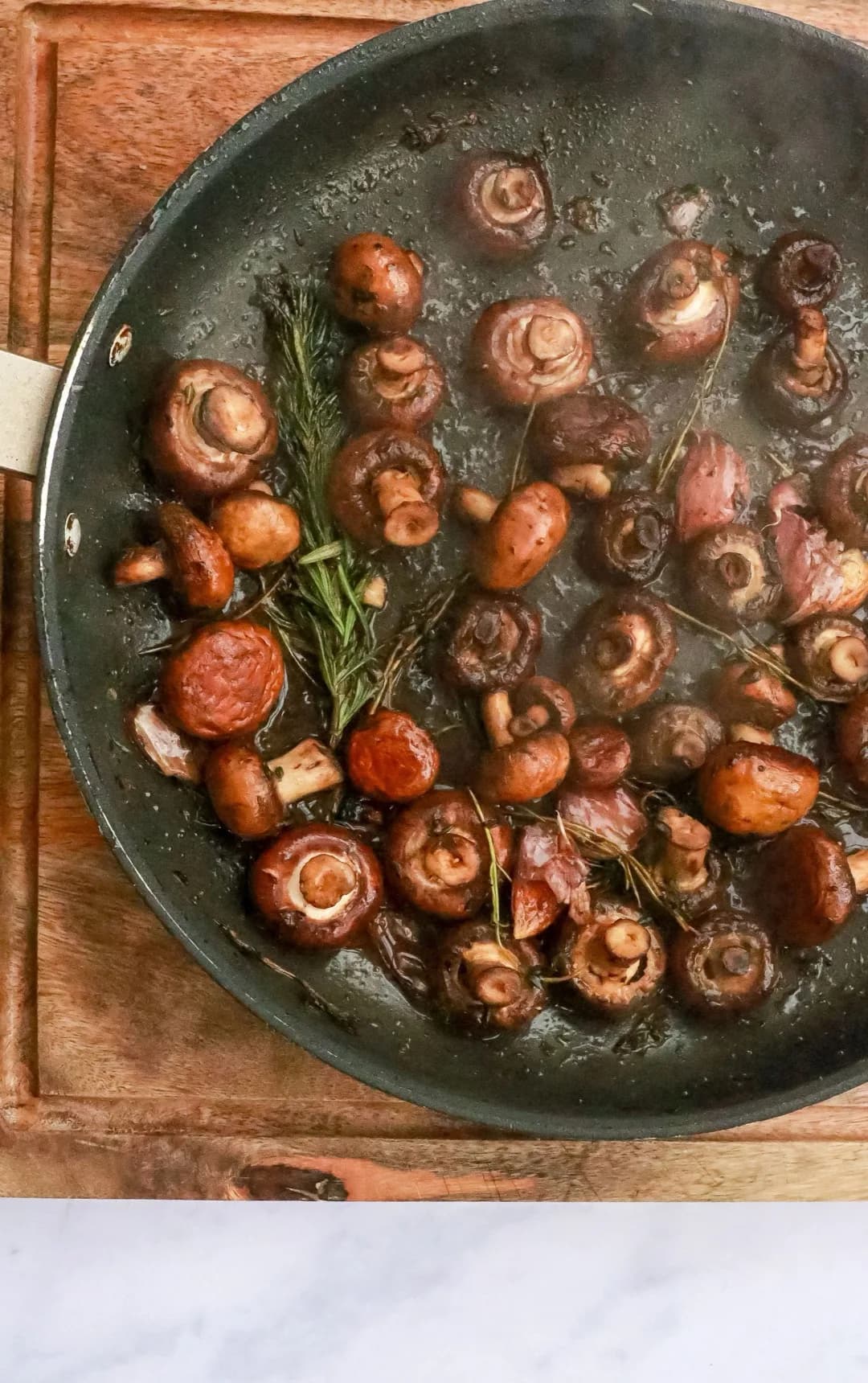
Tactile, not taste
Why this makes recommendations feel wrong
Most food apps model preference as one dimension, or infer it from where you have eaten. Both approaches produce the same failure: they recommend a cuisine when the problem was a texture, or they treat an unfamiliar dish as risky when unfamiliarity was never the issue.
TableSage scores two independent dimensions instead of one — roughly, how open you are to the unfamiliar, and how strongly you react to sensory properties. Those two, plus your specific dislikes and your flavour preferences, are what the app hands to the model that reads the menu.
That is also why the app asks rather than infers. A profile you built deliberately is a better description of your palate than one reverse-engineered from your location history.
What we are not claiming
This matters, so it gets its own section rather than a footnote.
TableSage's quiz is adapted from the constructs in this research. It is not a validated clinical instrument, it does not administer any of the questionnaires above, and it does not screen for or diagnose anything — including ARFID, which is a recognised eating disorder that only a clinician can assess.
There are known limits to the method itself. The quiz shows you photographs and asks whether you would eat the dish. That is a prospective judgement, so strictly it cannot establish whether you would reject a food after tasting it — which is the defining feature of sensory-driven picky eating. It also has to work to separate novelty from disgust, because an unfamiliar dish and an off-putting one often look alike in a photograph. We tune for that separation deliberately, and it remains an approximation.
We also publish no accuracy figure for the recommendations, because we have not run a study that would justify one.
If food avoidance is affecting your health, your weight, or your ability to eat with other people, that is worth raising with a doctor or a dietitian rather than an app.
So what do you actually do about it?
Three things help, and none of them require becoming a different person.
Separate the two questions. Before dismissing a dish, ask whether you are reacting to it being unfamiliar or to something specific about it. If it is novelty alone, that is the easier one to move.
Work at the edges of what you already like. A dish that shares most of its properties with something you enjoy and differs in one is far more likely to land than a leap.
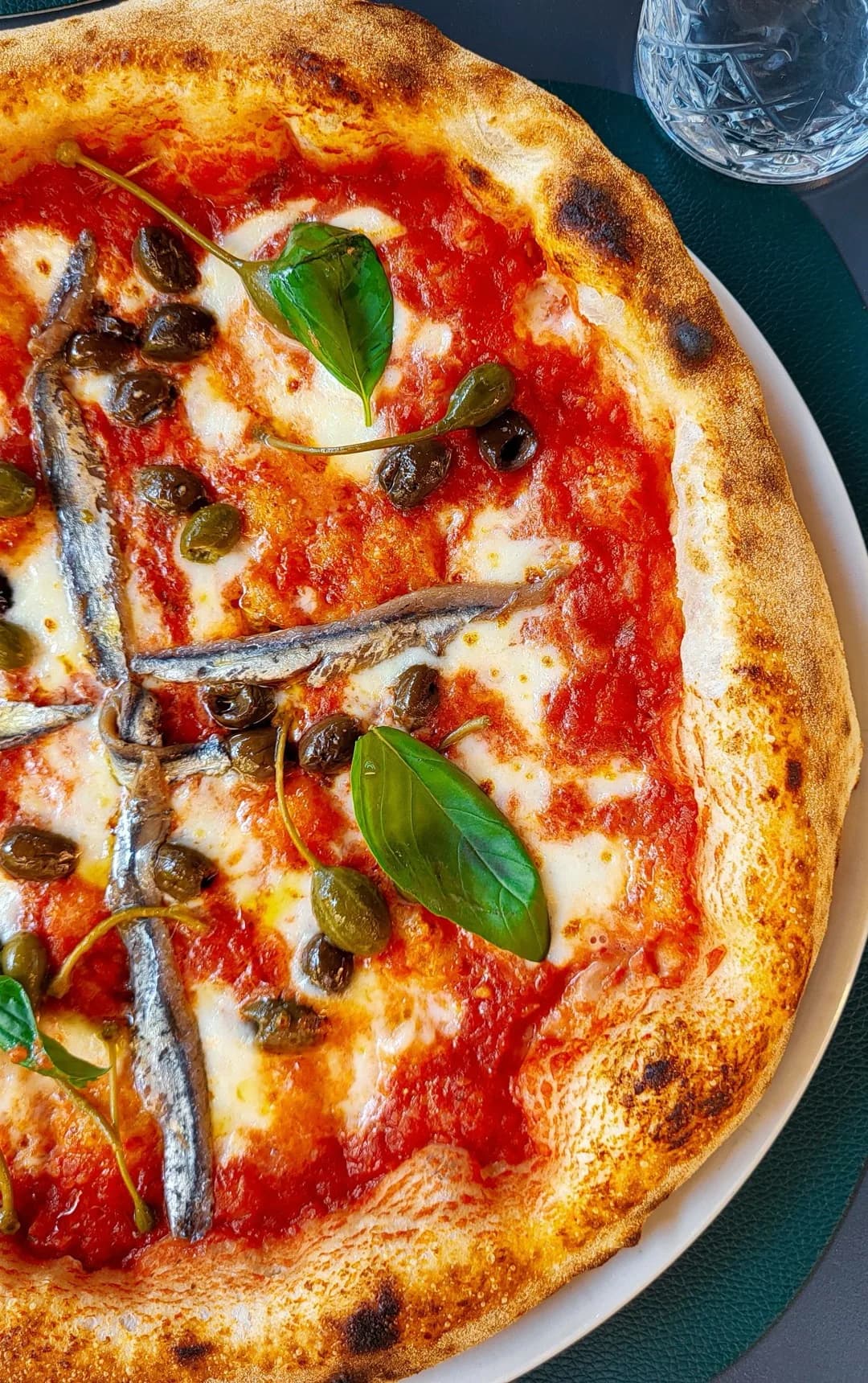
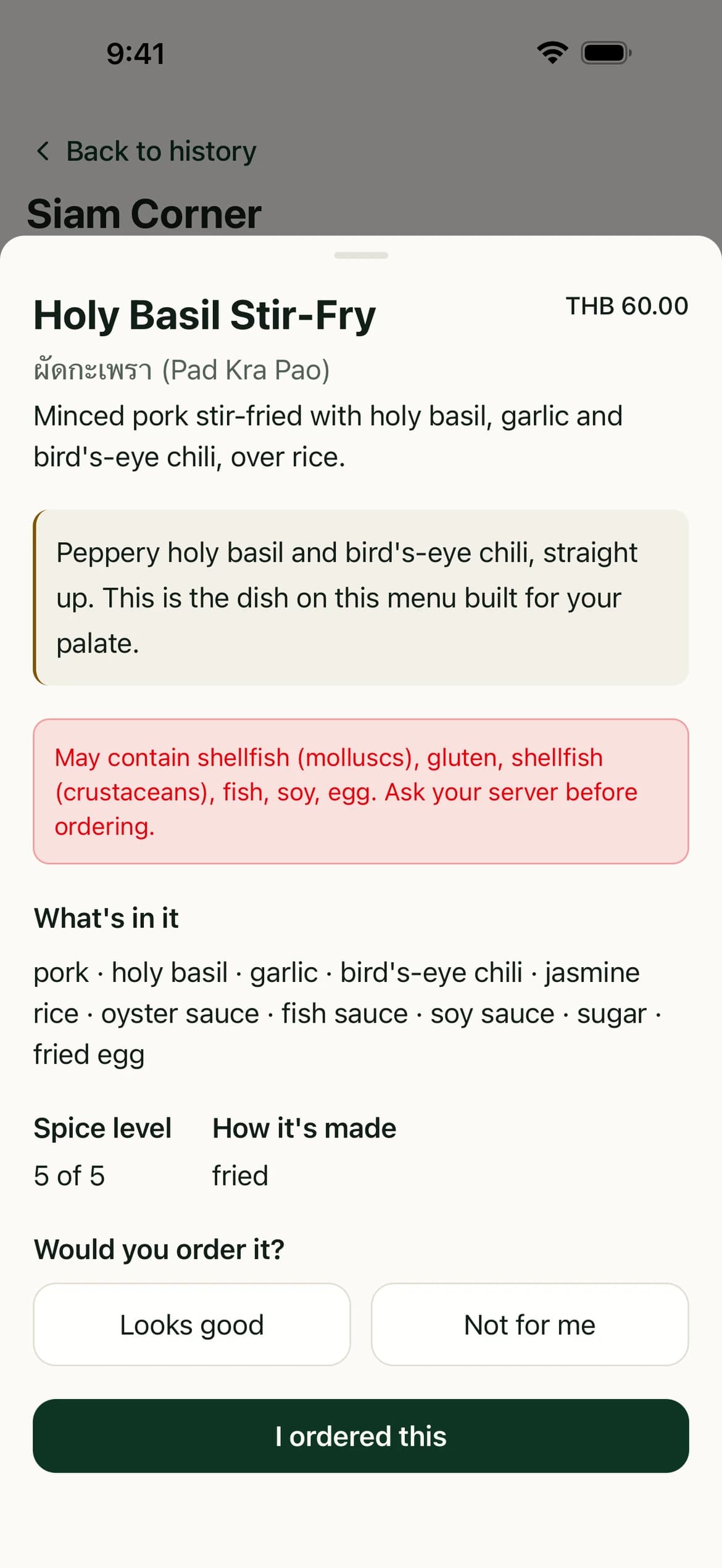
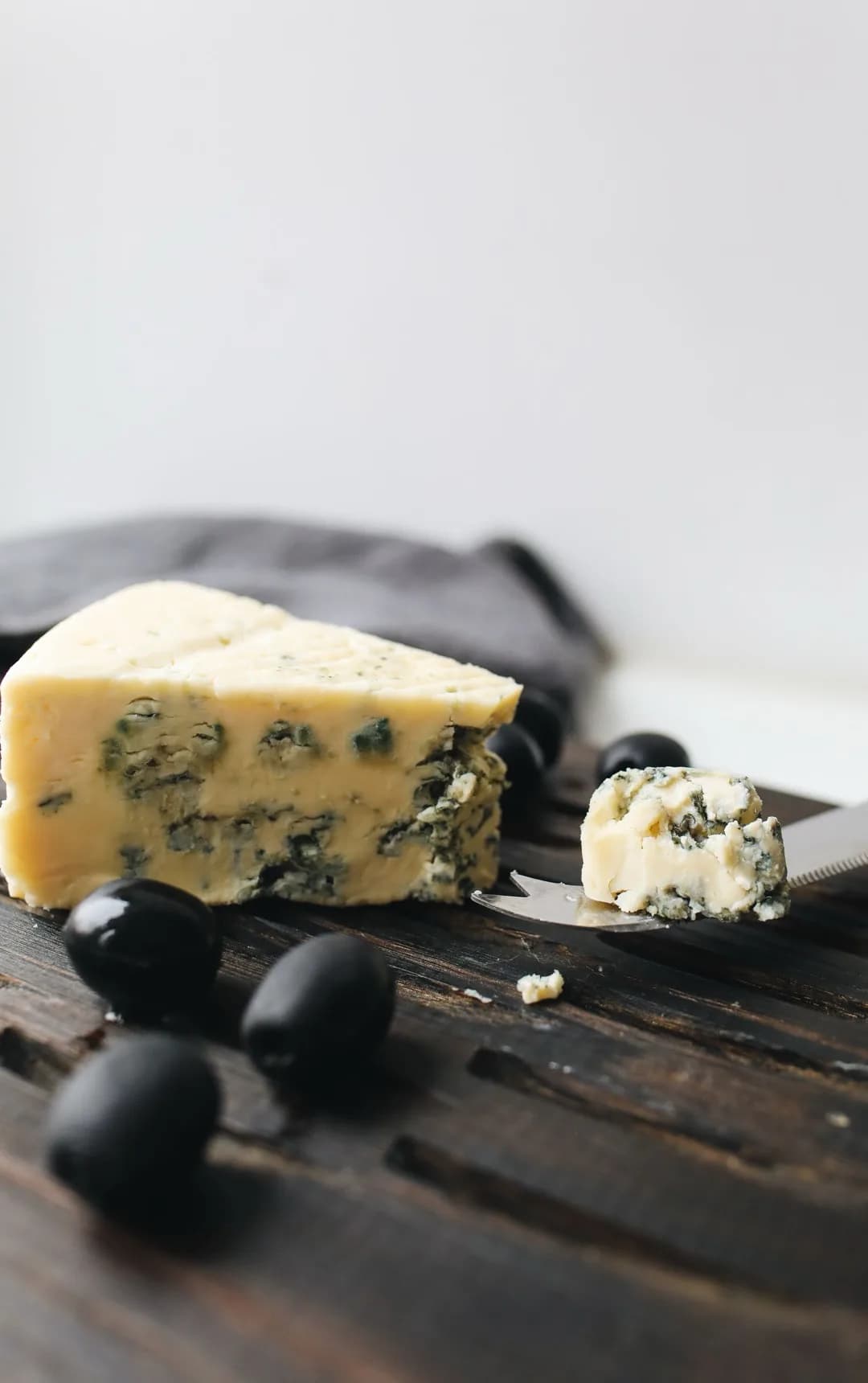
Find out what is actually in it. A great many rejections are about an ingredient rather than a dish, and menus routinely omit the ingredient in question — fish sauce, dashi, anchovy, oyster sauce. Knowing changes the decision.
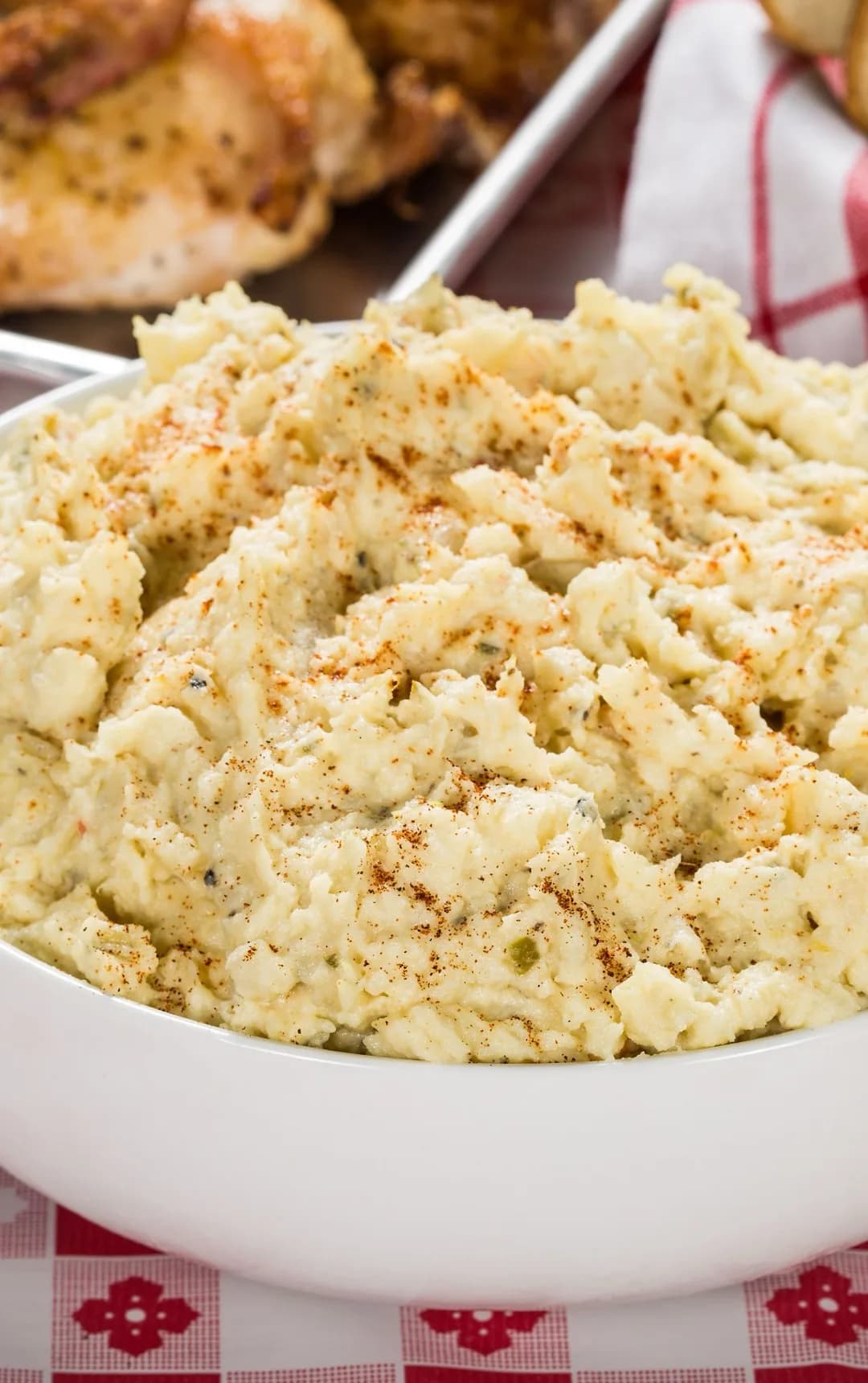
Work at the edges
It is usually an ingredient
What this looks like in the app
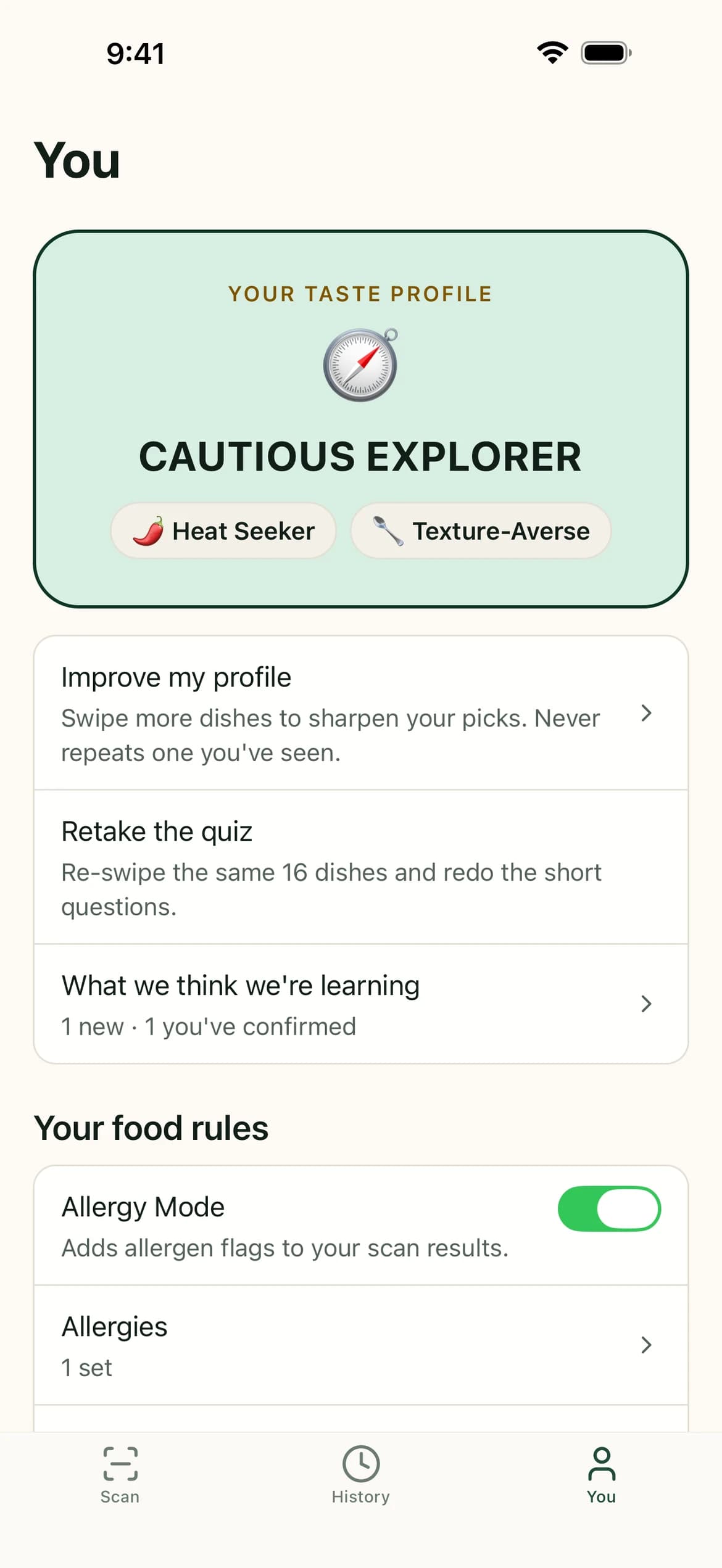
Two axes, then a menu read against them.
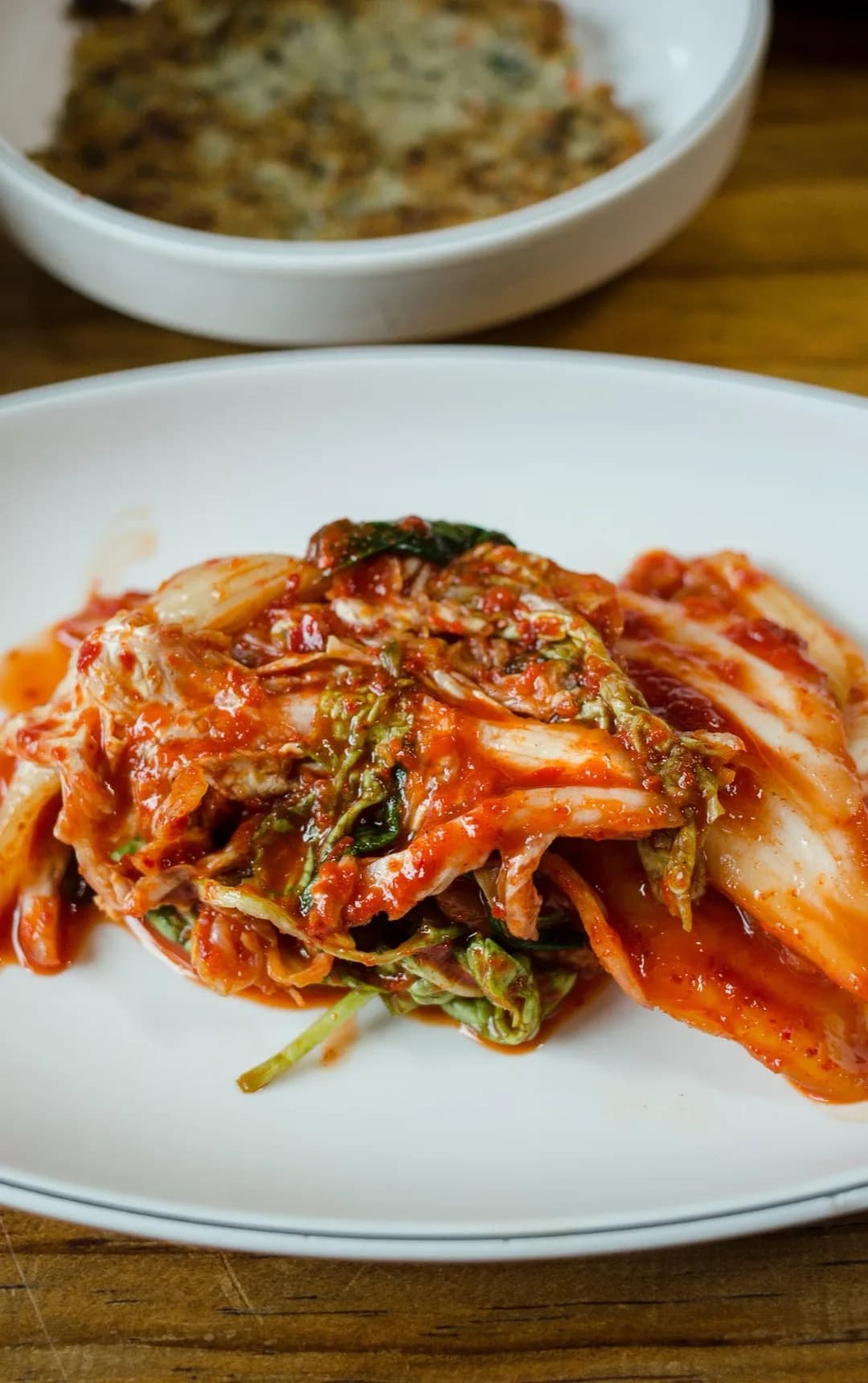
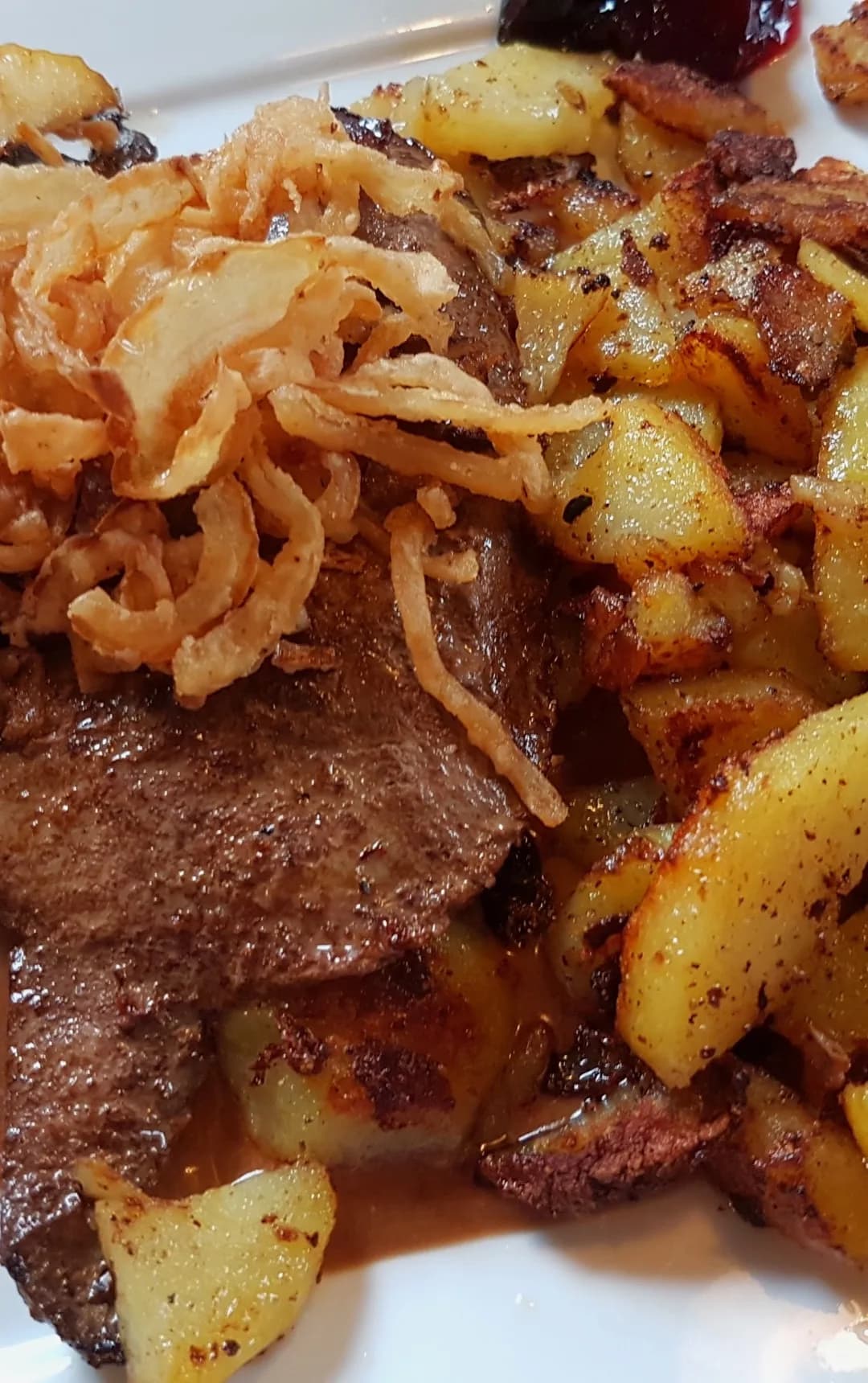
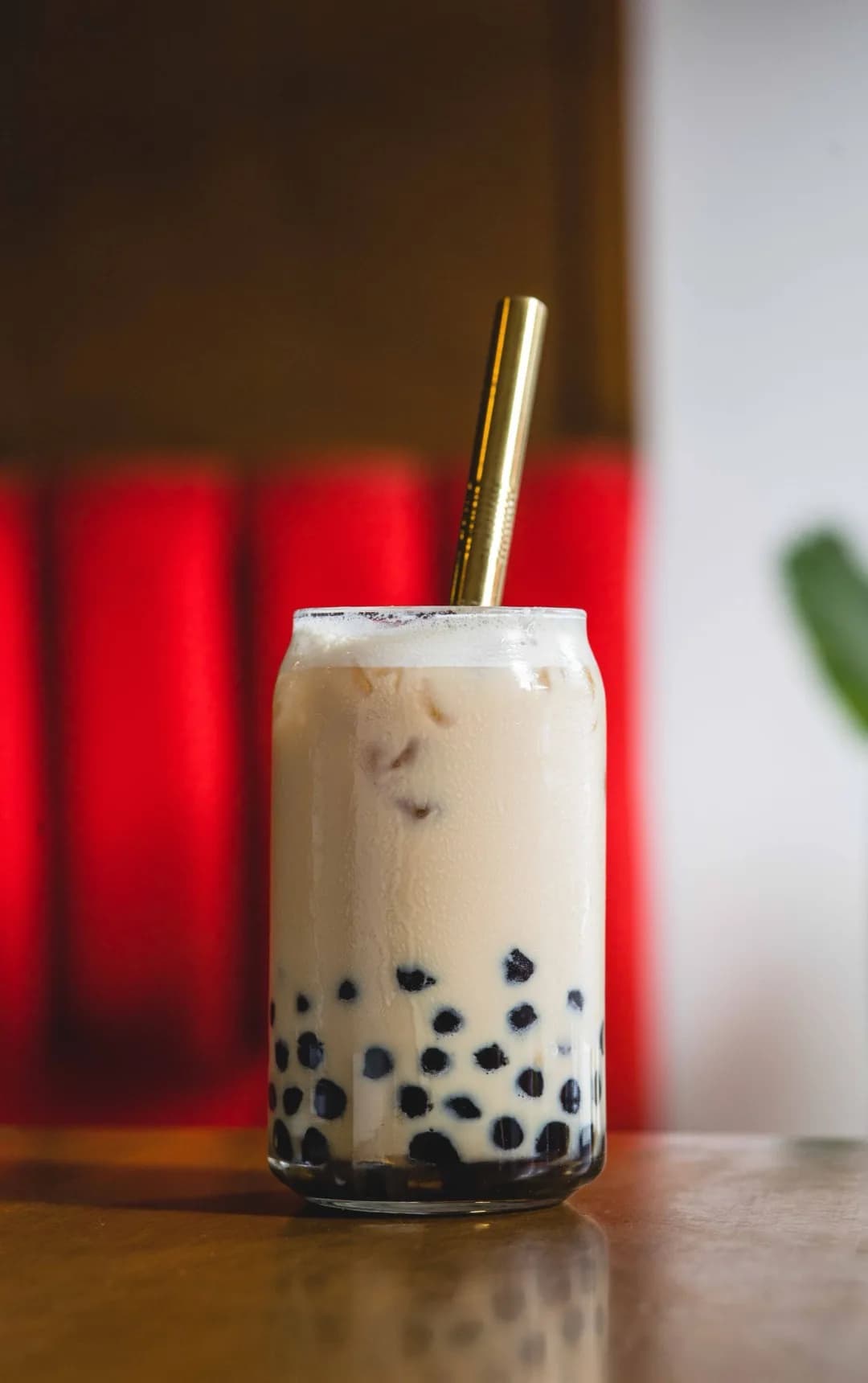
Twenty dishes, swiped. The profile that comes out separates how you feel about the unfamiliar from how strongly you react to texture and taste — and every dish sheet then names what is actually in the food, including the fish sauce, dashi and oyster sauce menus leave off.
Common questions
Is picky eating the same as food neophobia?
No. Food neophobia is reluctance to try a food because it is unfamiliar, and the rejection happens before tasting. Picky eating is rejection on sensory grounds — taste, texture, smell, appearance — and it applies to familiar foods too. They are measured with different instruments and a person can have one without the other.
Can adults be picky eaters, or is it a childhood thing?
Adults can and frequently are. There is a dedicated instrument for it, the Adult Picky Eating Questionnaire, which identifies four distinct factors including food variety and taste aversion.
Why does coriander taste like soap to me?
A genome-wide association study published in 2012 linked that perception to a genetic variant near a cluster of olfactory receptor genes, including OR6A2. It is a real difference in what you perceive, not a preference.
Does being a picky eater mean I have ARFID?
No. ARFID is a clinical diagnosis and only a clinician can make it. Picky eating is common and usually not disordered. If food avoidance is affecting your health or your ability to eat with others, speak to a doctor or dietitian.
Is TableSage's quiz a scientific test?
No. It is adapted from the constructs in this research, but it is not a validated instrument and it does not diagnose anything. It is a way to describe your palate well enough to make better recommendations from a menu.
References
Making a claim easy to check is part of the claim.
- Pliner, P. & Hobden, K. (1992). Development of a scale to measure the trait of food neophobia in humans. Appetite, 19(2), 105–120.
- Zickgraf, H. F. & Ellis, J. M. (2018). Initial validation of the Nine Item Avoidant/Restrictive Food Intake Disorder Screen (NIAS). Appetite, 123, 32–42.
- Ellis, J. M., Galloway, A. T., Zickgraf, H. F. & Whited, M. C. (2017). Measuring adult picky eating: the Adult Picky Eating Questionnaire. Appetite, 116, 1–8.
- Eriksson, N. et al. (2012). A genetic variant near olfactory receptor genes influences cilantro preference. Flavour, 1(22).