
What to order
What to order at a Chinese restaurant as a picky eater
Chinese food has a reputation that puts people off before they have read a menu. Some of that reputation is earned, and most of it applies to a section you can simply skip.
Eliminate sections before you read dishes
Chinese menus are grouped by how the food is cooked, and that grouping does most of the work for you. Ruling out a whole section is faster than reading twenty dish names.
Served first. Often vinegared, often more interesting than they look.
The bulk of most menus. Oyster sauce and soy do most of the work.
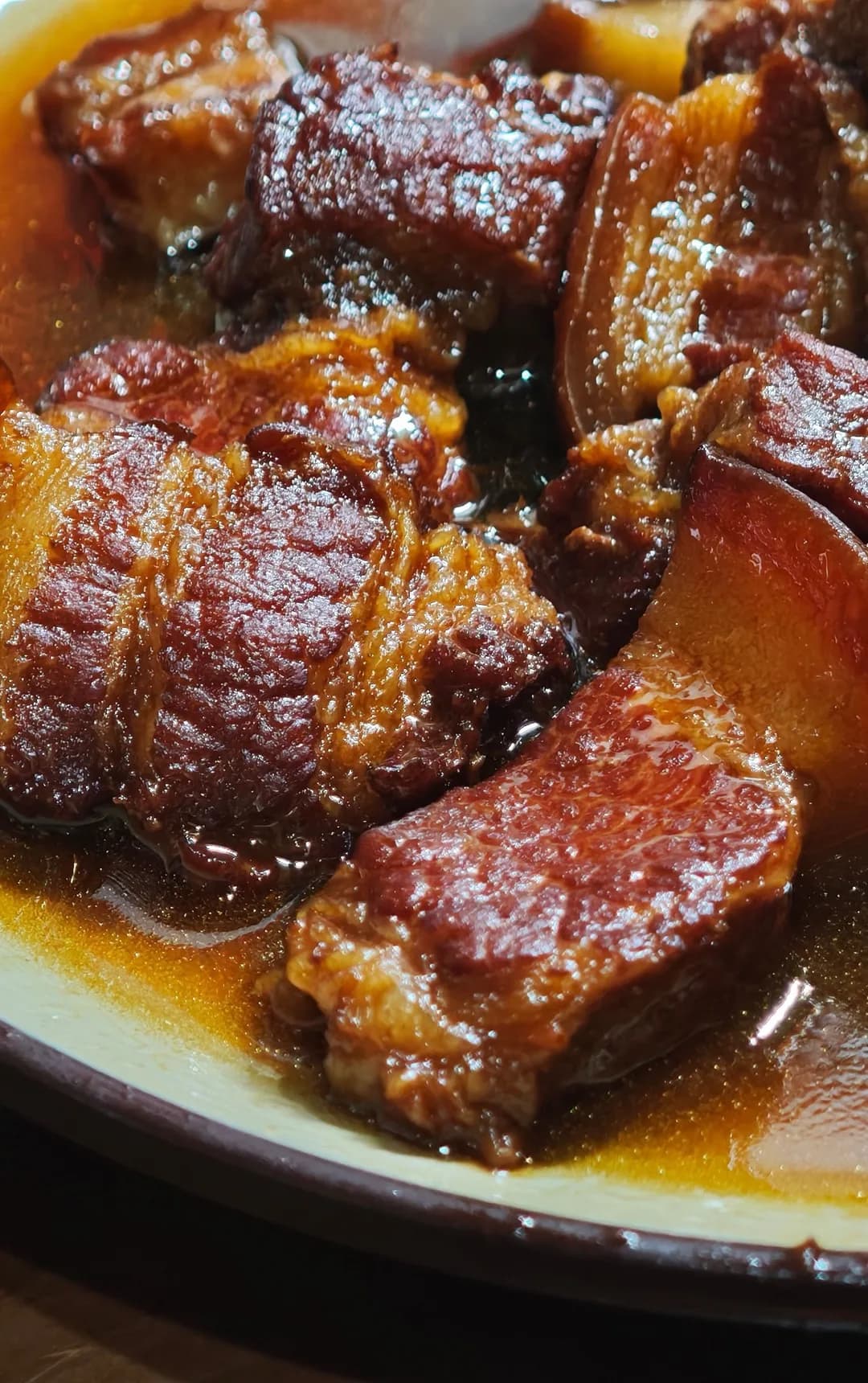
Slow-cooked, deeply savoury, usually mild.
Reliable ground for anyone who wants something familiar.
Small steamed and fried plates, mostly at lunch.
Reliable starting points
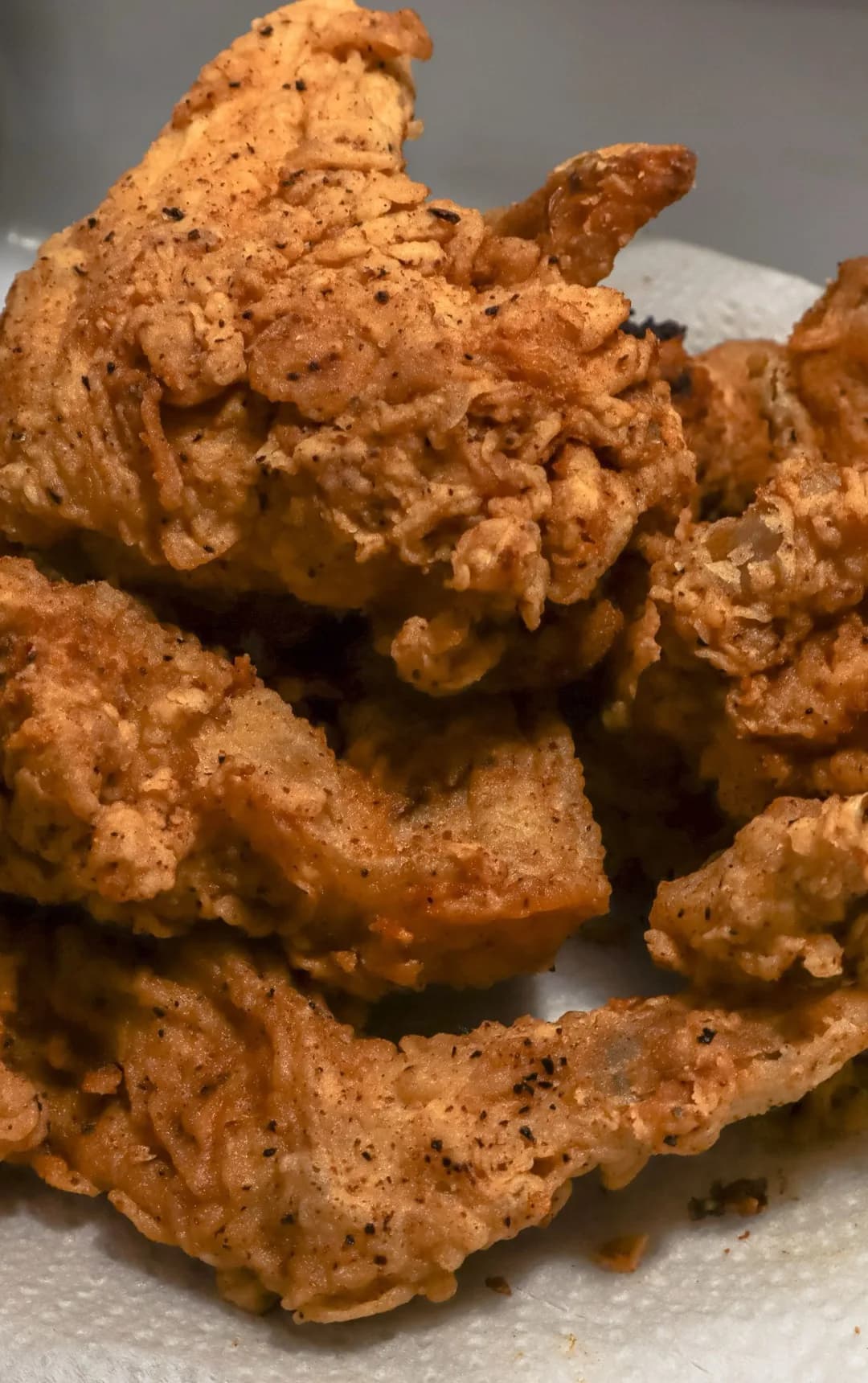
Fried, sweet and entirely unthreatening — genuinely popular in China, not only abroad.
Two ingredients doing exactly what you expect.
The filling is visible on the menu and the wrapper is plain.
Clear broth, soft dumplings, nothing hot.
If you want to stretch slightly
Mapo tofu麻婆豆腐
Numbing rather than simply hot — the Sichuan peppercorn produces a tingle that is a genuinely different sensation. Ask for it less spicy and it becomes a texture experiment rather than an endurance test.
A dish that shares most of its properties with something you already enjoy, and differs in one, lands far more often than a leap does.
What Chinese menus don’t print
Nobody is hiding anything. These are foundational ingredients that a Chinese kitchen treats the way you treat salt — not an ingredient, a medium. That is exactly why they never appear in a description.
A default seasoning in an enormous number of stir-fries, including plain greens.
Vegetable dishes and soups, as a base seasoning.
Dried shrimp in XO sauce and many fillings; shrimp paste in some regional dishes.
Most soy sauce contains wheat, which surprises people who assume soy means soy.
Recipes vary between restaurants and change without notice, so treat all of this as what to raise with the kitchen rather than a guarantee about any particular dish. The staff always have the final word.
TableSage reads menus using an AI language model, which gets things wrong sometimes.
Point it at the menu instead.
TableSage reads every dish on a Chinese menu — including the parts that aren't printed — and tells you which ones suit you.