
How to read a menu
How to read a Korean menu
You are standing in front of a menu with no pictures and no English, and someone is waiting. This is about that moment.
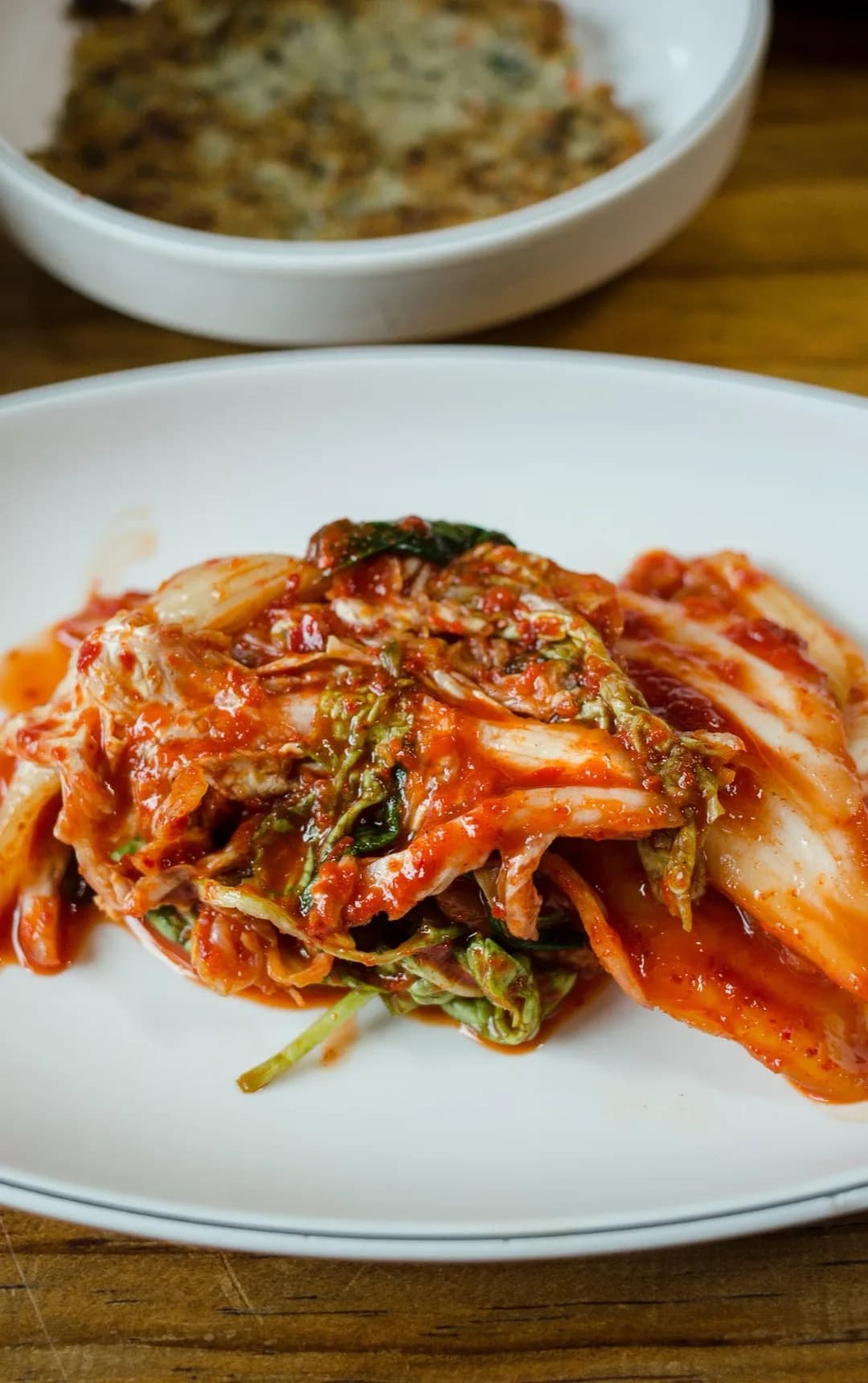
What actually makes it difficult
Hangul is an alphabet and can genuinely be learned in an afternoon, which is the trap — sounding a word out gives you the pronunciation and not the meaning. A large share of dish names are Sino-Korean compounds that mean nothing until learned individually. Korean menus also tend to be bare lists of names and prices with no descriptions at all, and romanisation varies wildly (jjigae, chigae, tchigae).
Eliminate sections before you read dishes
Korean menus are grouped by how the food is cooked, and that grouping does most of the work for you. Ruling out a whole section is faster than reading twenty dish names.
The barbecue section, ordered by cut rather than by dish, and usually with a two-person minimum. Nothing here is spicy until you dip it.
Thick, salty and shared straight from the pot at the centre of the table. This is where the anchovy stock lives.
Thinner than a jjigae and served in your own bowl. The clear ones are among the mildest things on the menu.
Where the chilli paste concentrates. If a dish name ends in bokkeum, heat is the default rather than the exception.
One-bowl meals rather than sides. Bibimbap and the cold noodles both live here.
Not a section you order from — they arrive unasked, are refilled without charge, and are never described. Several of them are made with fish.
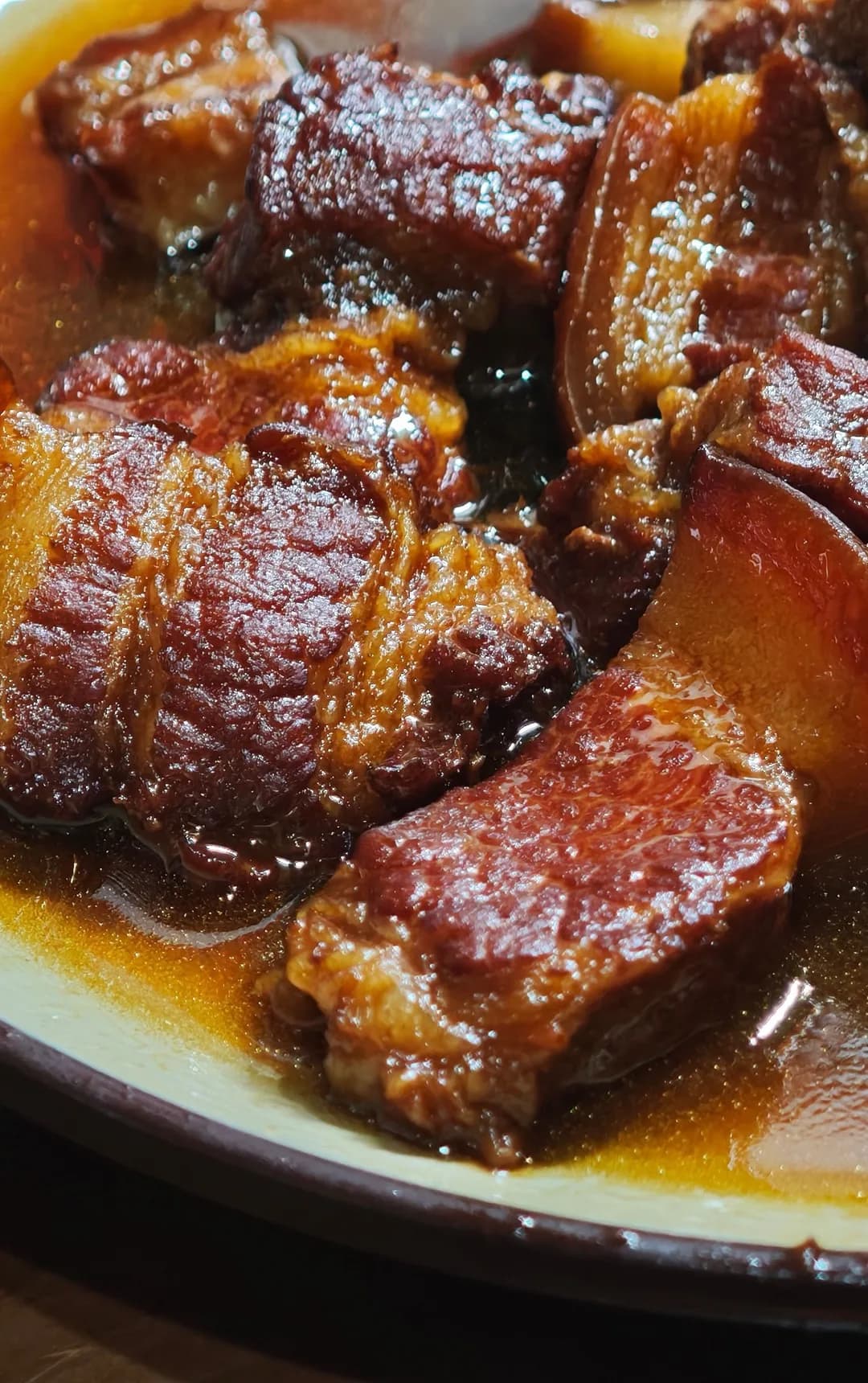
Words worth recognising
Not a phrasebook. Five things that change what you order.
grilled
thick stew, shared from the pot
soup, usually clearer and milder
stir-fried — frequently with chilli paste
spicy — the one word worth recognising before anything else
Translation is not interpretation
A translator converts words, which sounds like the job and is not. The output is frequently correct and useless at the same time.
육회
Translated word-for-word: “raw beef”
Hand-cut strips of raw beef dressed with sesame oil, sugar and garlic, served cold with pear and a raw egg yolk on top. The literal name is accurate and tells you nothing about the sweetness, the temperature or the yolk.
What Korean menus don’t print
Nobody is hiding anything. These are foundational ingredients that a Korean kitchen treats the way you treat salt — not an ingredient, a medium. That is exactly why they never appear in a description.
Under most stews, soups and noodle broths, and in the sauce for tteokbokki. It is the base layer of Korean savoury cooking, so a dish of vegetables in broth is frequently built on dried fish.
Kimchi is commonly fermented with one or both. That carries into everything kimchi goes into — kimchi jjigae, kimchi fried rice, kimchi pancake — where it reads as a vegetable.
Many clear soups, the broth of tteokguk, and a great many dishes that read as bean paste and vegetables.
Commercial gochujang is commonly made with wheat flour or malted barley, and most soy sauce is brewed with wheat. Both surprise people who assume chilli paste means chilli.
Bulgogi and galbi marinades, where Korean pear is used as a tenderiser. It is most of the reason the meat tastes faintly sweet.
Recipes vary between restaurants and change without notice, so treat all of this as what to raise with the kitchen rather than a guarantee about any particular dish. The staff always have the final word.
TableSage reads menus using an AI language model, which gets things wrong sometimes.
Or photograph it and skip the alphabet.
TableSage reads the menu in front of you and tells you what each dish actually is.