
What to order
What to order at a Korean restaurant as a picky eater
Korean food has a reputation that puts people off before they have read a menu. Some of that reputation is earned, and most of it applies to a section you can simply skip.
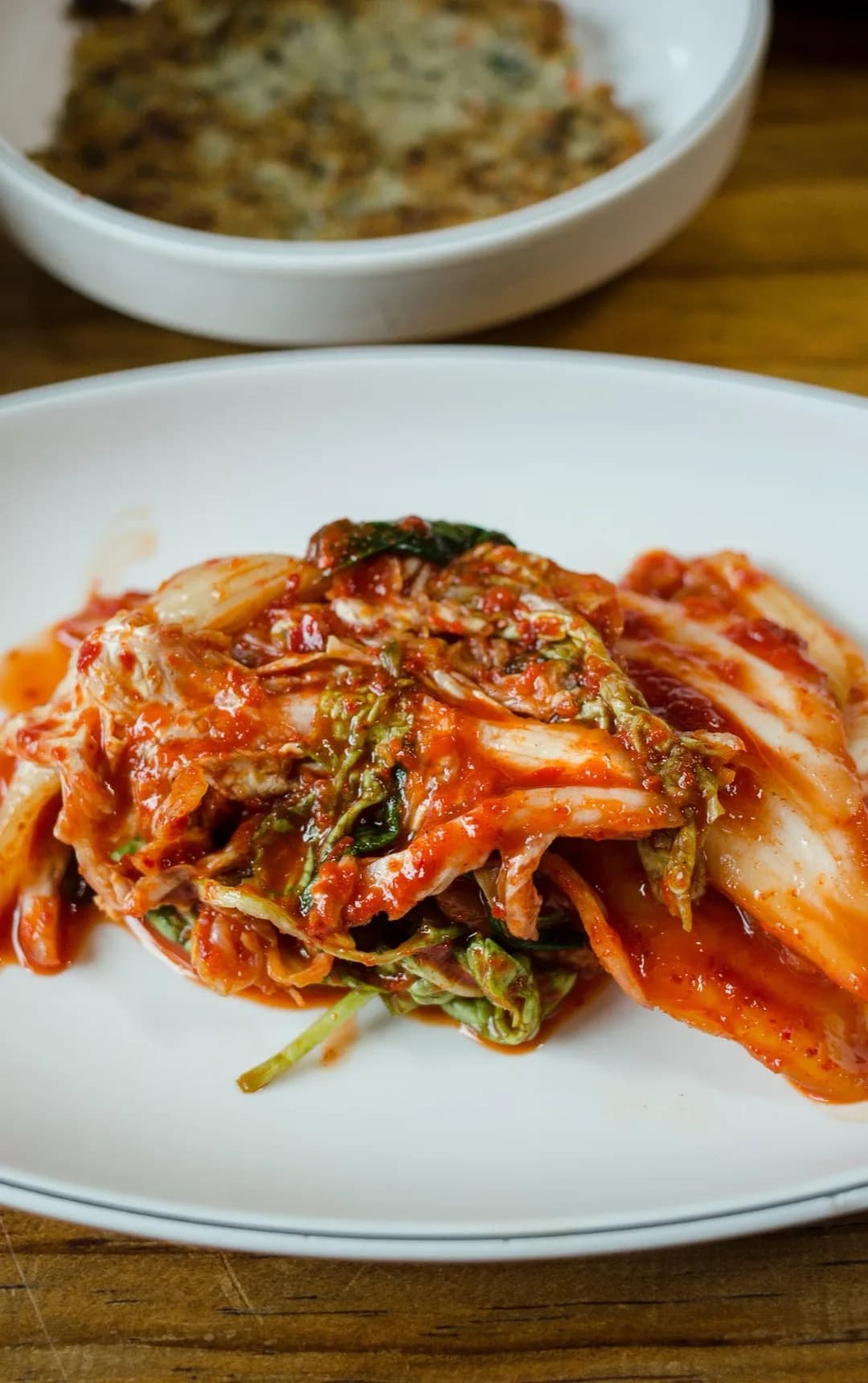
Eliminate sections before you read dishes
Korean menus are grouped by how the food is cooked, and that grouping does most of the work for you. Ruling out a whole section is faster than reading twenty dish names.
The barbecue section, ordered by cut rather than by dish, and usually with a two-person minimum. Nothing here is spicy until you dip it.
Thick, salty and shared straight from the pot at the centre of the table. This is where the anchovy stock lives.
Thinner than a jjigae and served in your own bowl. The clear ones are among the mildest things on the menu.
Where the chilli paste concentrates. If a dish name ends in bokkeum, heat is the default rather than the exception.
One-bowl meals rather than sides. Bibimbap and the cold noodles both live here.
Not a section you order from — they arrive unasked, are refilled without charge, and are never described. Several of them are made with fish.
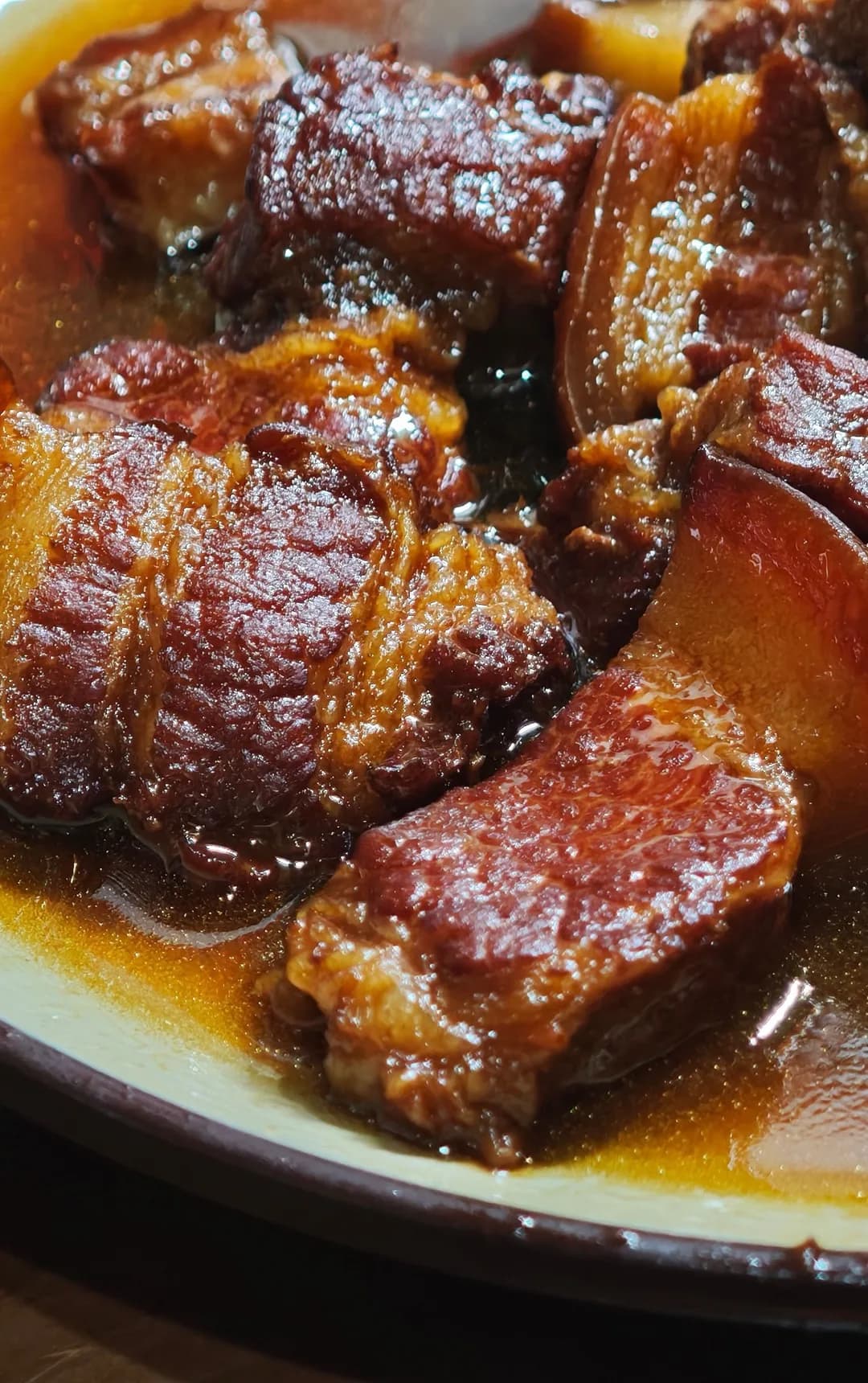
Reliable starting points
Thin beef marinated in soy, sesame and pear, then grilled. Sweet-savoury rather than hot, and the closest thing on the menu to a familiar flavour.
Sweet potato starch noodles tossed with soy, sesame oil and vegetables. Chewy, glossy and entirely heat-free.
Rice and cooked fillings rolled in seaweed. Everything in it is visible in cross-section before you commit.
Short ribs in a clear beef broth. Proof that not every Korean soup is red — this one has no chilli in it at all.
If you want to stretch slightly
Bibimbap비빔밥
It arrives unmixed, so you can see every component before anything is combined, and the chilli paste is frequently served on the side rather than stirred through. You control both the heat and how much of it you eat.
A dish that shares most of its properties with something you already enjoy, and differs in one, lands far more often than a leap does.
What Korean menus don’t print
Nobody is hiding anything. These are foundational ingredients that a Korean kitchen treats the way you treat salt — not an ingredient, a medium. That is exactly why they never appear in a description.
Under most stews, soups and noodle broths, and in the sauce for tteokbokki. It is the base layer of Korean savoury cooking, so a dish of vegetables in broth is frequently built on dried fish.
Kimchi is commonly fermented with one or both. That carries into everything kimchi goes into — kimchi jjigae, kimchi fried rice, kimchi pancake — where it reads as a vegetable.
Many clear soups, the broth of tteokguk, and a great many dishes that read as bean paste and vegetables.
Commercial gochujang is commonly made with wheat flour or malted barley, and most soy sauce is brewed with wheat. Both surprise people who assume chilli paste means chilli.
Bulgogi and galbi marinades, where Korean pear is used as a tenderiser. It is most of the reason the meat tastes faintly sweet.
Recipes vary between restaurants and change without notice, so treat all of this as what to raise with the kitchen rather than a guarantee about any particular dish. The staff always have the final word.
TableSage reads menus using an AI language model, which gets things wrong sometimes.
Point it at the menu instead.
TableSage reads every dish on a Korean menu — including the parts that aren't printed — and tells you which ones suit you.