
What to order
What to order at a French restaurant as a picky eater
French food has a reputation that puts people off before they have read a menu. Some of that reputation is earned, and most of it applies to a section you can simply skip.
Eliminate sections before you read dishes
French menus are grouped by how the food is cooked, and that grouping does most of the work for you. Ruling out a whole section is faster than reading twenty dish names.
Starters, not main courses. The false friend that catches out more visitors than any other word on the page.
The main courses. Vegetables are frequently part of the plate rather than ordered separately, which is the opposite of the Italian arrangement.
A fixed-price deal of two or three courses. In French, 'menu' means this set offer — the list of everything available is 'la carte'.
The blackboard. Usually the freshest cooking in the building, usually handwritten, and usually not on the printed menu at all.
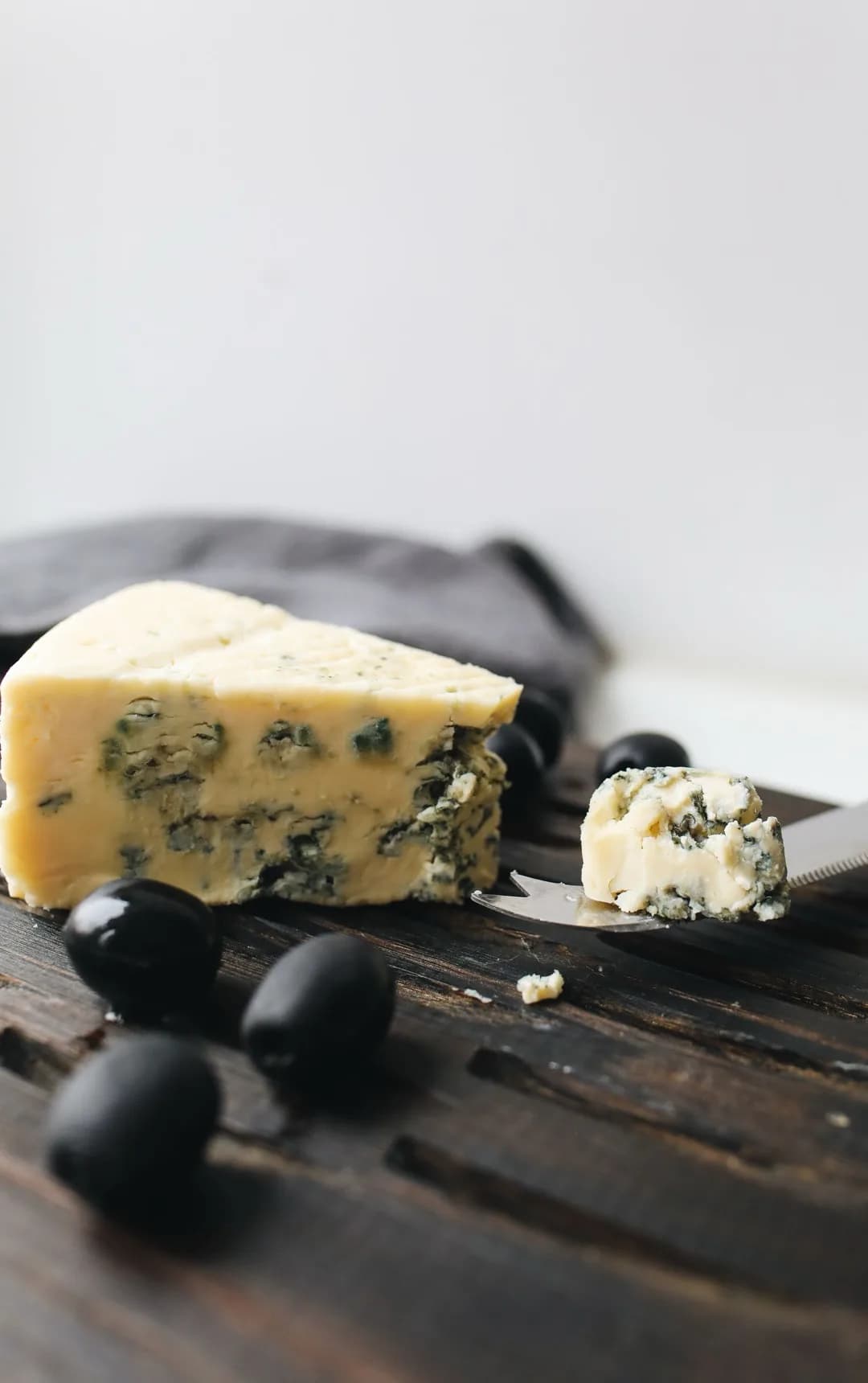
The cheese course, served after the main and before dessert rather than at the end.
Often the most conservative section, and the easiest to order from.
Reliable starting points
Roast chicken, and nothing else pretending to be anything. On almost every bistro menu.
Ham and cheese under béchamel, grilled. A toastie with a formal name.
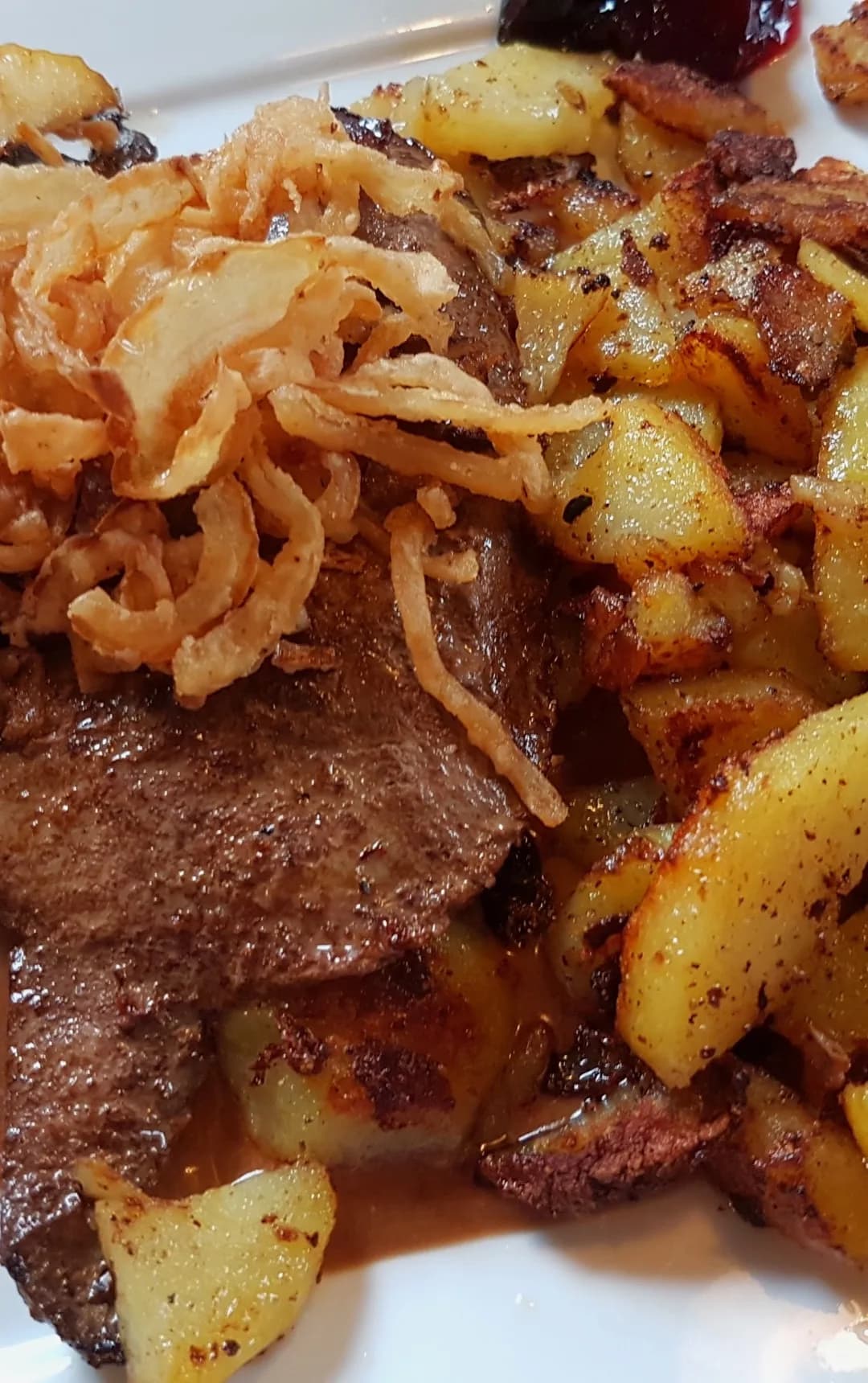
Steak and chips, with the sauce usually available on the side if you ask for it that way. Worth naming your doneness — see the language notes.
Egg, cream and bacon in pastry. Rich rather than challenging, and served warm or at room temperature.
If you want to stretch slightly
Confit de canard
A duck leg cooked slowly in its own fat, then crisped. The name describes a preservation method and sounds technical; what arrives is closer to very rich slow-roast pork than to anything gamey, usually with potatoes cooked in the same fat.
A dish that shares most of its properties with something you already enjoy, and differs in one, lands far more often than a leap does.
What French menus don’t print
Nobody is hiding anything. These are foundational ingredients that a French kitchen treats the way you treat salt — not an ingredient, a medium. That is exactly why they never appear in a description.
Whisked cold into sauces at the last moment, tossed through vegetables, and under the fish. It goes in after the description was written, which is why it is almost never mentioned.
Cubes of cured pork strewn over green salads, folded into quiche and gratins, and cooked into dishes whose names mention only vegetables.
The base of most brown sauces and a great many soups. Onion soup is the classic example — beef stock under bread and melted cheese.
Tapenade, pissaladière and salade niçoise, and dissolved into some Provençal sauces where it registers as savoury depth rather than fish.
Terrines, aspic, and the set desserts — mousses, bavarois and anything that holds a clean edge on the plate.
Recipes vary between restaurants and change without notice, so treat all of this as what to raise with the kitchen rather than a guarantee about any particular dish. The staff always have the final word.
TableSage reads menus using an AI language model, which gets things wrong sometimes.
Point it at the menu instead.
TableSage reads every dish on a French menu — including the parts that aren't printed — and tells you which ones suit you.