
Vegetarian
Vegetarian at a French restaurant: what to ask about
Most of what determines whether a French dish works for vegetarians is not printed on the menu. Here is what is usually in there, and how to ask about it without an interrogation.
What catches people out
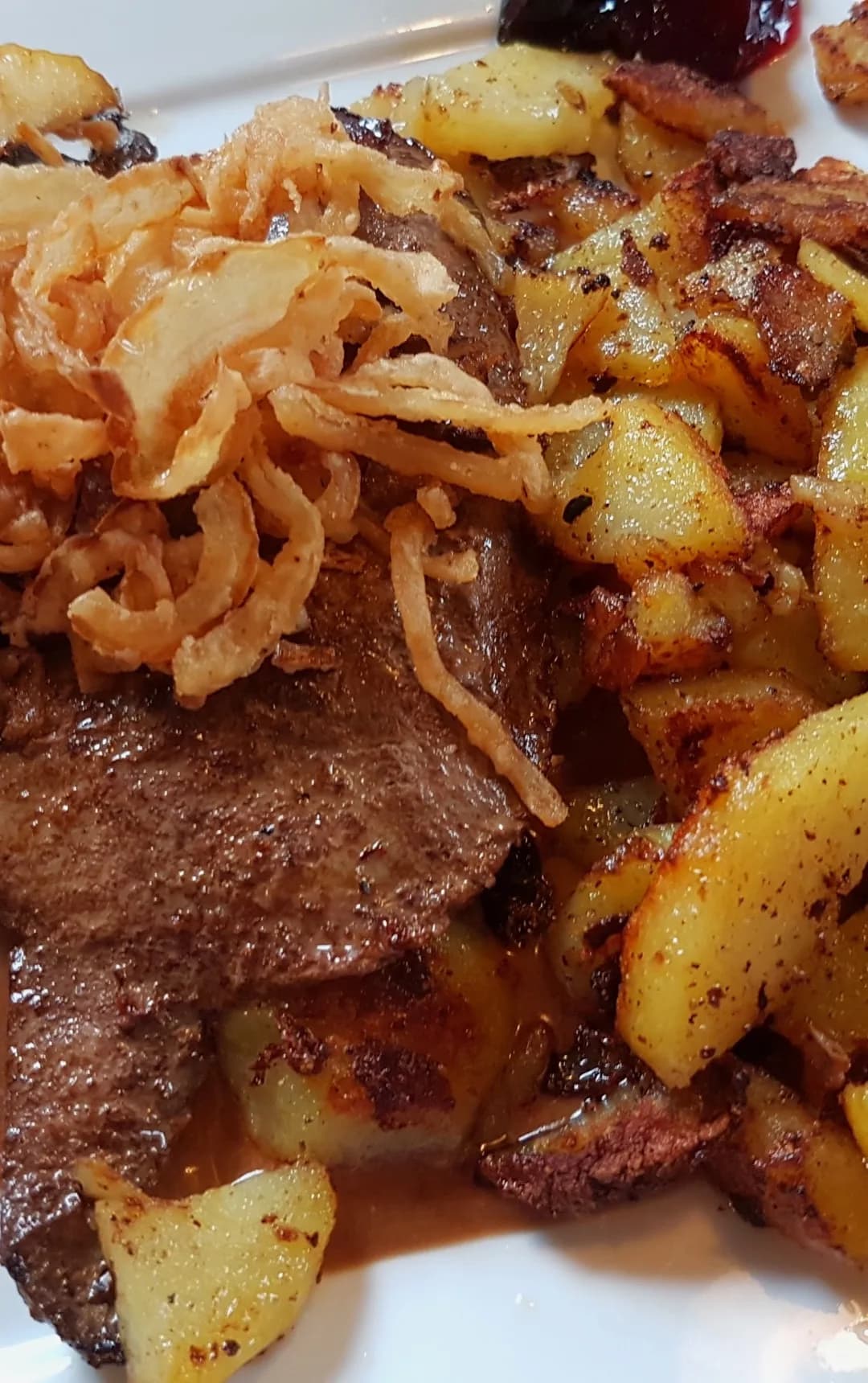
- Lardons in salads
- A green salad is exactly what a vegetarian orders, and it is exactly where bacon turns up unannounced.
- Meat stock in soups and sauces
- Onion soup is usually built on beef stock, and most brown sauces on veal. Neither is visible in the finished plate.
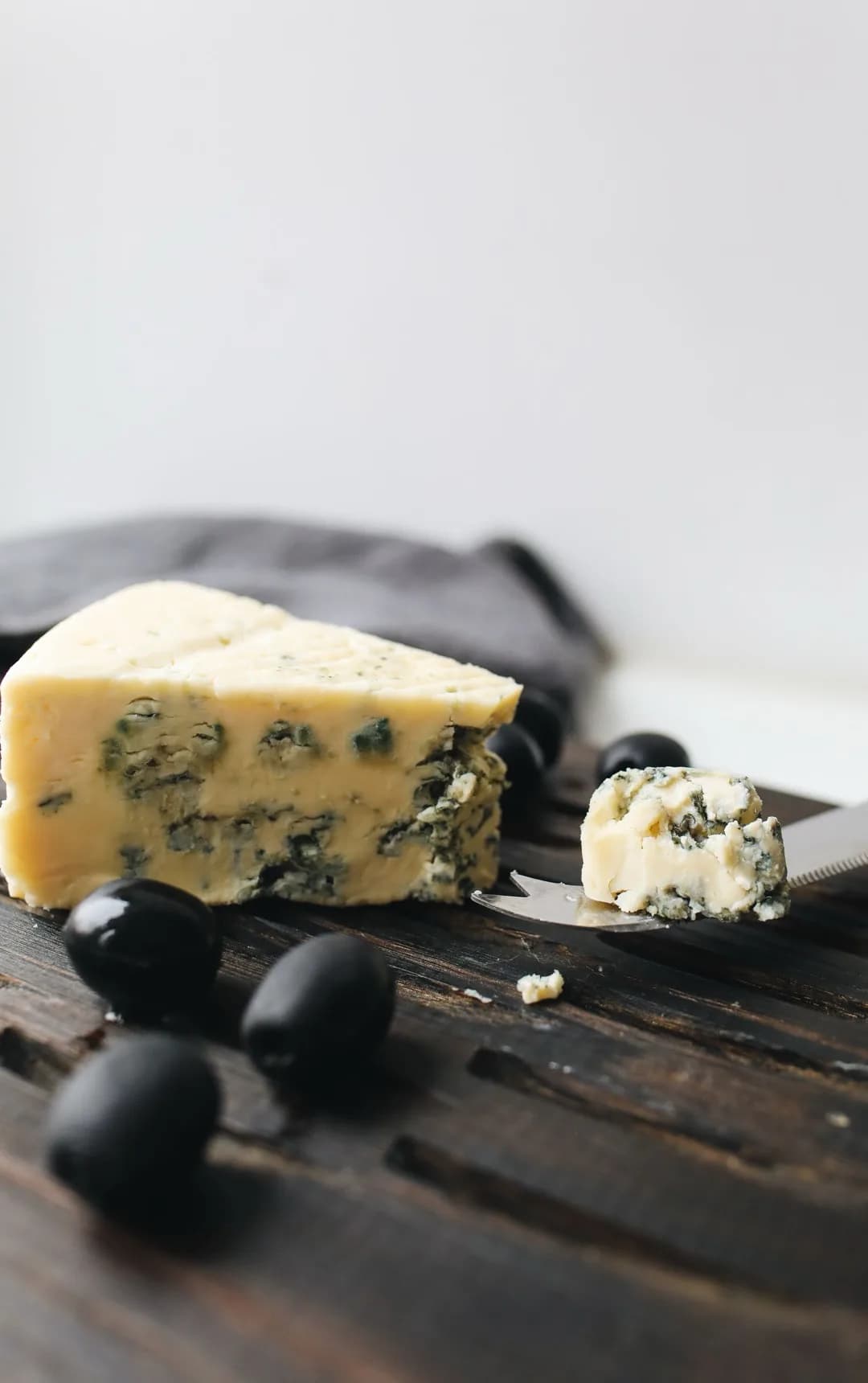
- Animal rennet in cheese
- Many of the traditional AOP cheeses are commonly made with it, which matters even though cheese is not meat.
- Gelatine in terrines and desserts
- Anything that holds a shape when sliced is worth a question.
Usually a good starting point
On the menu in most brasseries and available in most of the rest even when it is not printed. Nature means plain.
Aubergine, courgette, pepper and tomato stewed in olive oil. A Provençal dish in its own right rather than an adaptation.
Warm goat's cheese on toast over leaves — though lardons are a common addition, so it is worth specifying.
What to actually say
One specific question is easier for everyone than three vague ones — for you and for the person answering.
- “Y a-t-il des lardons dedans? — Is there bacon in it?”
- “Is the stock made with meat?”
- “Is the cheese made with animal rennet?”
What French menus don’t print
Nobody is hiding anything. These are foundational ingredients that a French kitchen treats the way you treat salt — not an ingredient, a medium. That is exactly why they never appear in a description.
Whisked cold into sauces at the last moment, tossed through vegetables, and under the fish. It goes in after the description was written, which is why it is almost never mentioned.
Cubes of cured pork strewn over green salads, folded into quiche and gratins, and cooked into dishes whose names mention only vegetables.
The base of most brown sauces and a great many soups. Onion soup is the classic example — beef stock under bread and melted cheese.
Tapenade, pissaladière and salade niçoise, and dissolved into some Provençal sauces where it registers as savoury depth rather than fish.
Terrines, aspic, and the set desserts — mousses, bavarois and anything that holds a clean edge on the plate.
Recipes vary between restaurants and change without notice, so treat all of this as what to raise with the kitchen rather than a guarantee about any particular dish. The staff always have the final word.
TableSage reads menus using an AI language model, which gets things wrong sometimes.
Know which dishes to ask about.
Photograph the menu and it flags what is worth raising — including the ingredients that are never printed.