
How to read a menu
How to read a French menu
You are standing in front of a menu with no pictures and no English, and someone is waiting. This is about that moment.
What actually makes it difficult
The alphabet is no obstacle, which is why French menus catch people out — the difficulty is a closed professional vocabulary. Confit, rillettes, andouillette and ris de veau name a technique, a preservation method or a specific gland, and a French speaker who does not cook is barely better off than you are. Add handwritten blackboards, regional dish names that never left their département, and two false friends in the section headings — entrée and menu — and the page resists reading even when every letter is familiar.
Eliminate sections before you read dishes
French menus are grouped by how the food is cooked, and that grouping does most of the work for you. Ruling out a whole section is faster than reading twenty dish names.
Starters, not main courses. The false friend that catches out more visitors than any other word on the page.
The main courses. Vegetables are frequently part of the plate rather than ordered separately, which is the opposite of the Italian arrangement.
A fixed-price deal of two or three courses. In French, 'menu' means this set offer — the list of everything available is 'la carte'.
The blackboard. Usually the freshest cooking in the building, usually handwritten, and usually not on the printed menu at all.
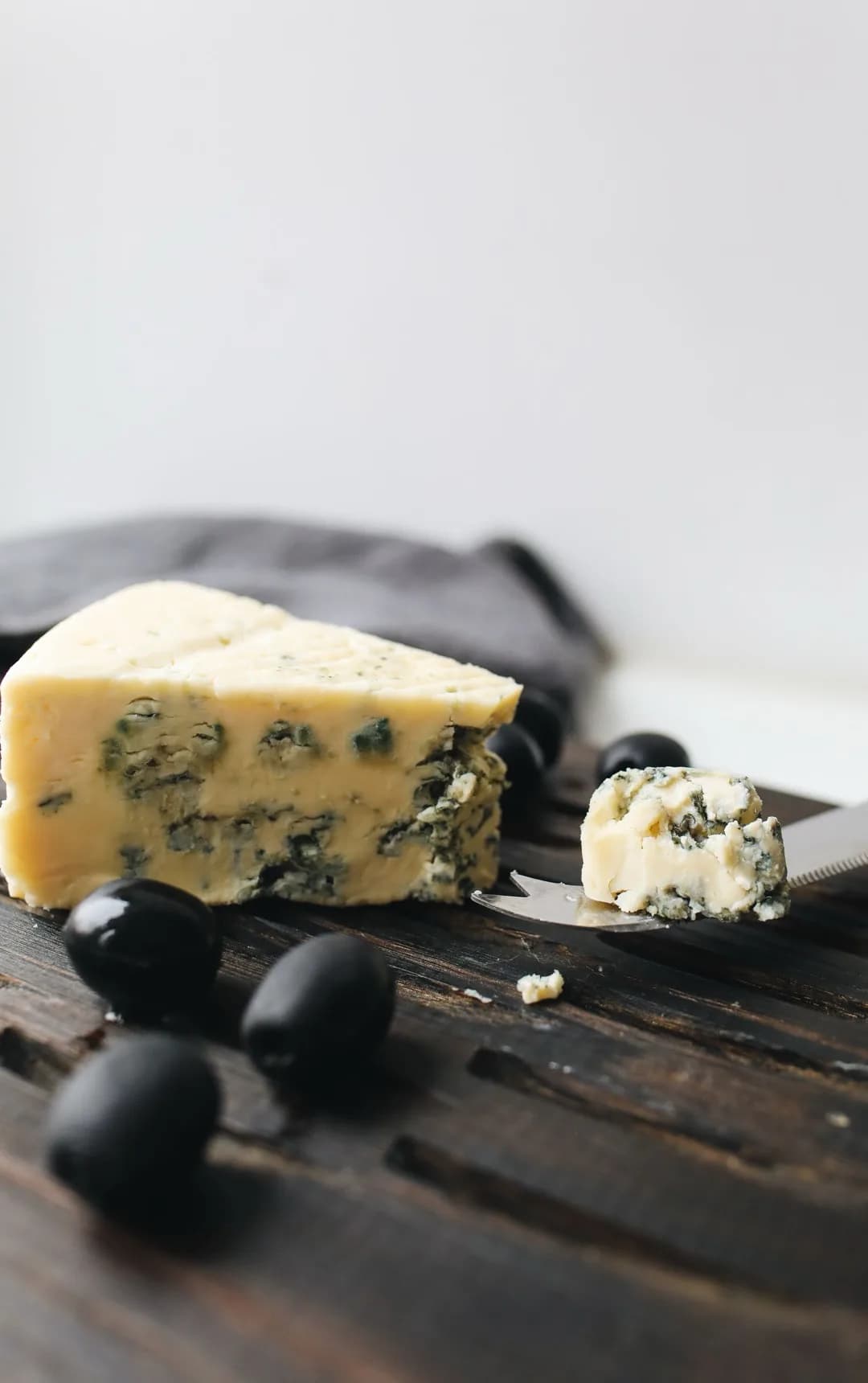
The cheese course, served after the main and before dessert rather than at the end.
Often the most conservative section, and the easiest to order from.
Words worth recognising
Not a phrasebook. Five things that change what you order.
a starter, not a main course
cooked slowly in fat and kept in it — a method, not a flavour
sweetbreads, a gland from a calf. Nothing to do with riz, which is rice
a sausage made from pig's intestine, with a smell that divides a table
rare / medium / well done — though à point in France lands rarer than most visitors expect
Translation is not interpretation
A translator converts words, which sounds like the job and is not. The output is frequently correct and useless at the same time.
pot-au-feu
Translated word-for-word: “pot on the fire”
Beef and marrow bones simmered for hours with root vegetables. The broth is frequently served first as its own course, then the meat and vegetables follow with mustard and coarse salt. The name describes the equipment.
What French menus don’t print
Nobody is hiding anything. These are foundational ingredients that a French kitchen treats the way you treat salt — not an ingredient, a medium. That is exactly why they never appear in a description.
Whisked cold into sauces at the last moment, tossed through vegetables, and under the fish. It goes in after the description was written, which is why it is almost never mentioned.
Cubes of cured pork strewn over green salads, folded into quiche and gratins, and cooked into dishes whose names mention only vegetables.
The base of most brown sauces and a great many soups. Onion soup is the classic example — beef stock under bread and melted cheese.
Tapenade, pissaladière and salade niçoise, and dissolved into some Provençal sauces where it registers as savoury depth rather than fish.
Terrines, aspic, and the set desserts — mousses, bavarois and anything that holds a clean edge on the plate.
Recipes vary between restaurants and change without notice, so treat all of this as what to raise with the kitchen rather than a guarantee about any particular dish. The staff always have the final word.
TableSage reads menus using an AI language model, which gets things wrong sometimes.
Or photograph it and skip the alphabet.
TableSage reads the menu in front of you and tells you what each dish actually is.