
Vegan
Vegan at a Vietnamese restaurant: what to ask about
Most of what determines whether a Vietnamese dish works for vegans is not printed on the menu. Here is what is usually in there, and how to ask about it without an interrogation.
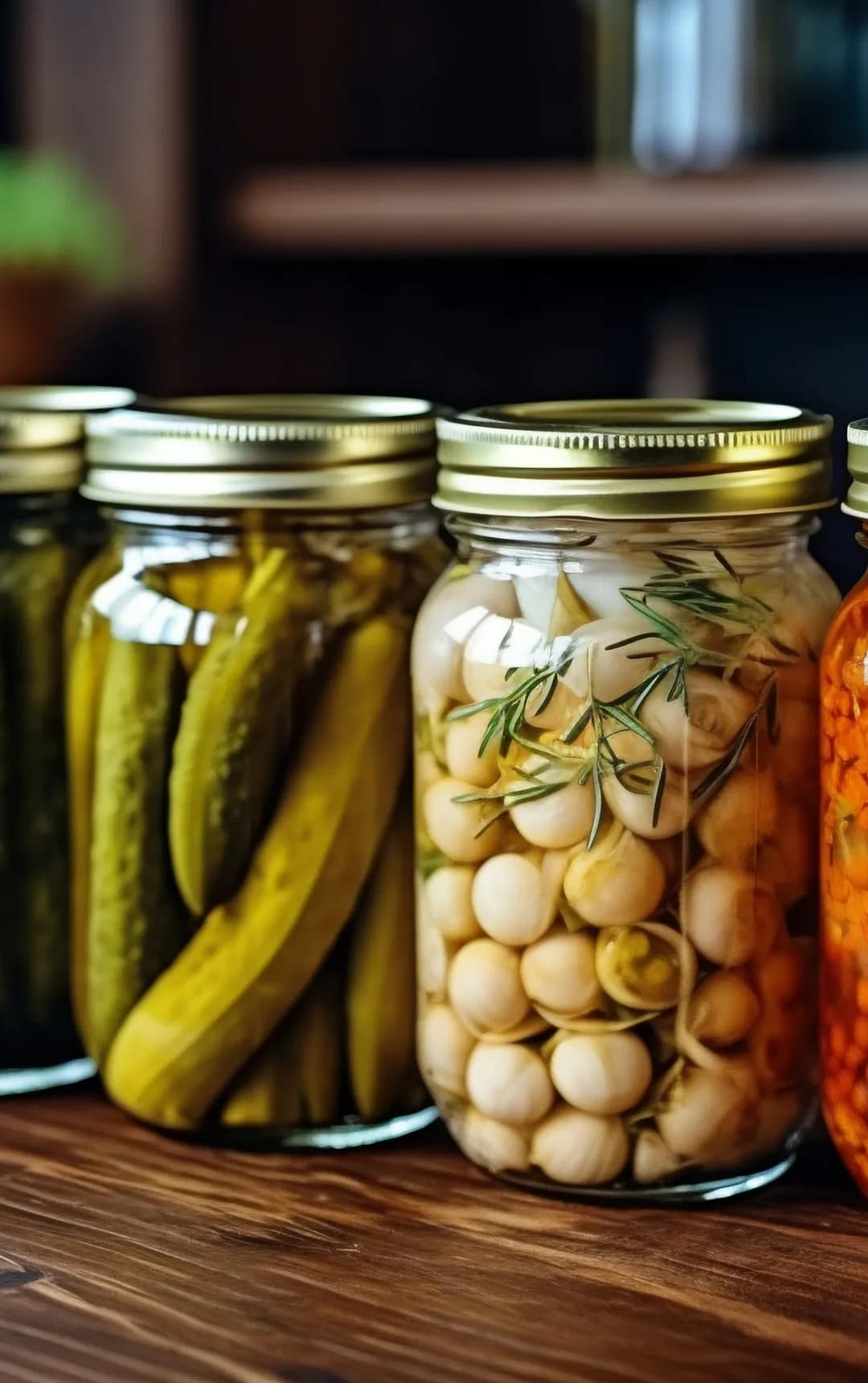
What catches people out
- Fish sauce and shrimp paste
- The two defining problems, and neither is visible in a finished dish.
- Egg
- In bánh mì ốp la, in some noodle bowls, and as quail eggs tucked into fillings.
- Condensed milk
- The default in Vietnamese iced coffee and in several of the sweet chè.
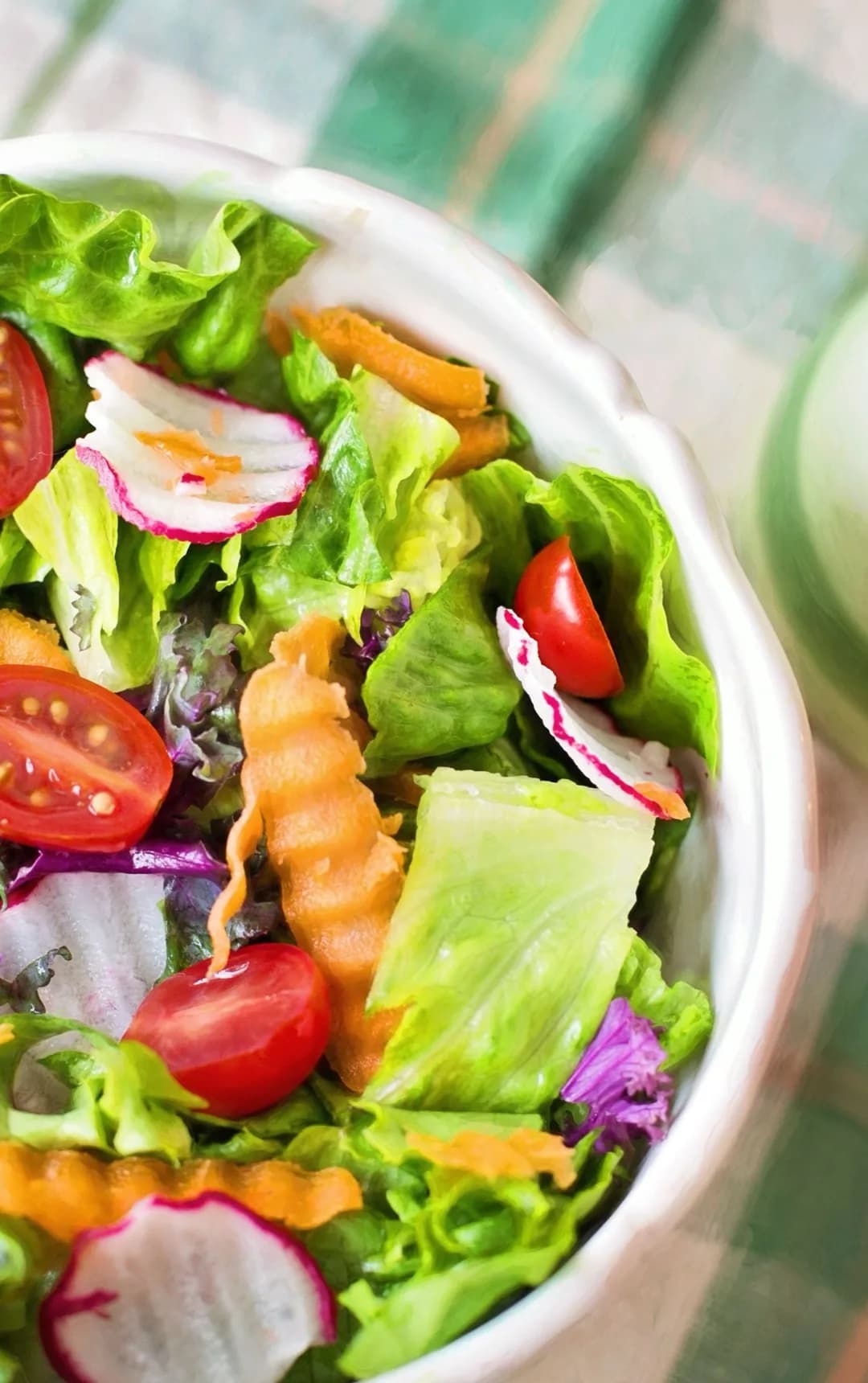
Usually a good starting point
The Buddhist form leaves out egg and dairy as well as fish sauce, so it maps closely onto vegan. It also omits the five pungent vegetables, garlic among them.
Rice with braised tofu, greens and pickles — a full meal rather than a plate of side dishes.
What to actually say
One specific question is easier for everyone than three vague ones — for you and for the person answering.
- “Do you have chay?”
- “Is the dipping sauce made with fish sauce?”
- “Is there condensed milk in the coffee?”
What Vietnamese menus don’t print
Nobody is hiding anything. These are foundational ingredients that a Vietnamese kitchen treats the way you treat salt — not an ingredient, a medium. That is exactly why they never appear in a description.
The dipping sauce that comes with almost everything is diluted fish sauce with lime, sugar and chilli. It is also in most marinades and dressings, including on dishes that are otherwise vegetables.
Phở broth is simmered from bones, and so are most other noodle soups. A bowl assembled without meat is frequently still made with the house stock, because there is usually only one pot.
Served alongside bún đậu and chả cá, and stirred into some dressings. Purple-grey, pungent, and rarely translated on an English menu.
Scattered over salads, rice rolls and broken-rice plates at the last moment, which is why they seldom appear in a description.
Spooned over grilled dishes and broken rice. Traditionally made with rendered pork fat rather than vegetable oil.
Recipes vary between restaurants and change without notice, so treat all of this as what to raise with the kitchen rather than a guarantee about any particular dish. The staff always have the final word.
TableSage reads menus using an AI language model, which gets things wrong sometimes.
Know which dishes to ask about.
Photograph the menu and it flags what is worth raising — including the ingredients that are never printed.