
What to order
What to order at a Japanese restaurant as a picky eater
Japanese food has a reputation that puts people off before they have read a menu. Some of that reputation is earned, and most of it applies to a section you can simply skip.
Eliminate sections before you read dishes
Japanese menus are grouped by how the food is cooked, and that grouping does most of the work for you. Ruling out a whole section is faster than reading twenty dish names.
Straightforward and usually the easiest section to order from.
Tempura and karaage live here. Familiar textures.
Built on dashi, which is where the fish hides.
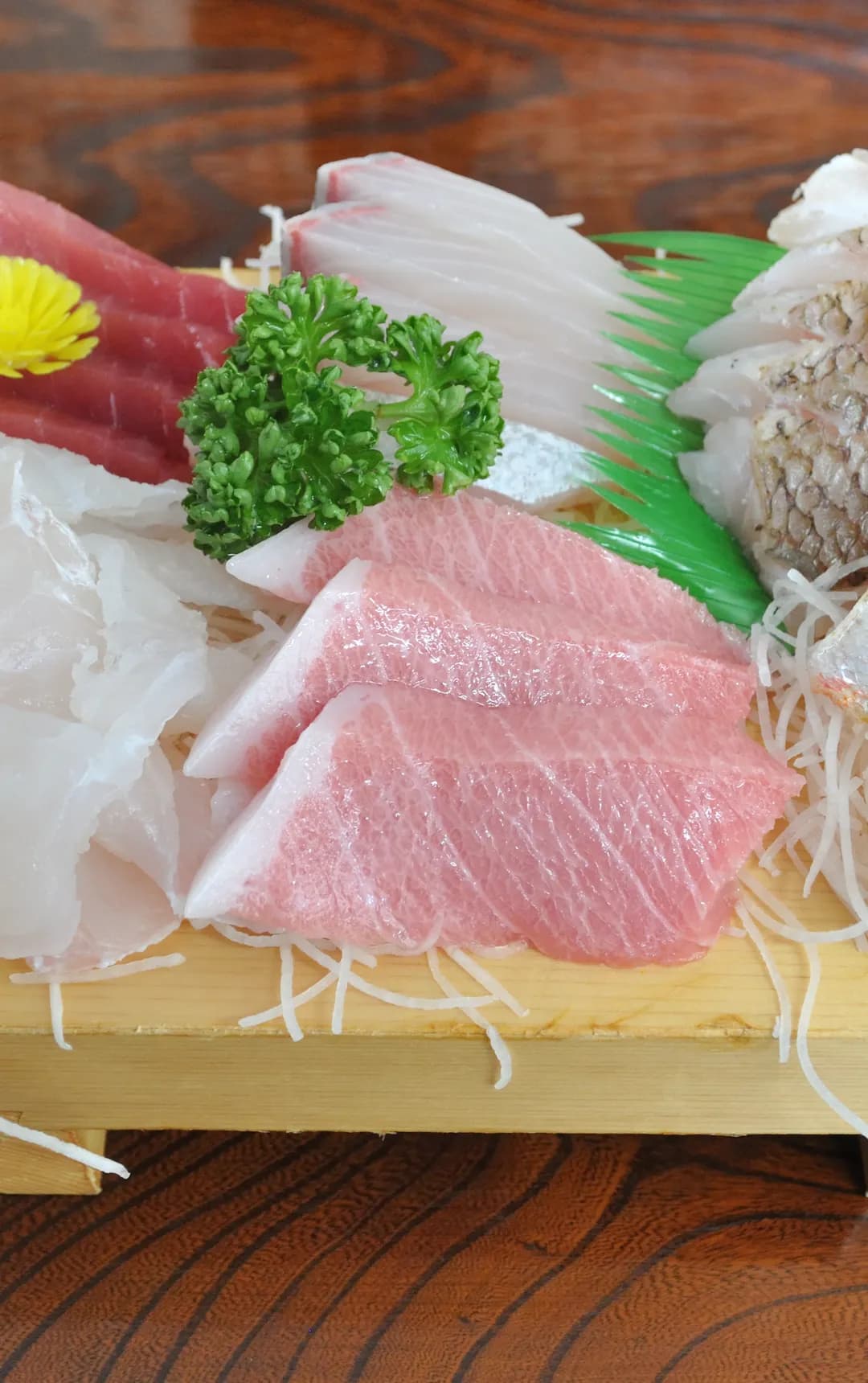
Sliced raw fish. The texture, not the flavour, is what people react to.
Sharp and often slippery — skip the whole section if that is your issue.
Reliable starting points
Fried chicken, essentially. Familiar in every respect.
Grilled skewers, ordered one at a time, so you can start with the cuts you recognise.
Breaded cutlet with a mild, thick, faintly sweet curry. Almost nothing about it is challenging.
Thick, soft wheat noodles in a light broth. Mild by design.
If you want to stretch slightly
Chawanmushi茶碗蒸し
A savoury steamed egg custard. The flavour is gentle and familiar; only the texture is new, which makes it a small step rather than a leap.
A dish that shares most of its properties with something you already enjoy, and differs in one, lands far more often than a leap does.
What Japanese menus don’t print
Nobody is hiding anything. These are foundational ingredients that a Japanese kitchen treats the way you treat salt — not an ingredient, a medium. That is exactly why they never appear in a description.
Most simmered dishes, miso soup, and many dipping sauces. It is usually made with katsuobushi (dried bonito), so 'vegetable' dishes are frequently not vegetarian.
A great many glazes and sauces, including teriyaki.
Nearly everything, and most varieties contain wheat.
Sprinkled on okonomiyaki and takoyaki, sometimes invisibly folded into fillings.
Recipes vary between restaurants and change without notice, so treat all of this as what to raise with the kitchen rather than a guarantee about any particular dish. The staff always have the final word.
TableSage reads menus using an AI language model, which gets things wrong sometimes.
Point it at the menu instead.
TableSage reads every dish on a Japanese menu — including the parts that aren't printed — and tells you which ones suit you.