
Vegetarian
Vegetarian at a Ethiopian restaurant: what to ask about
Most of what determines whether a Ethiopian dish works for vegetarians is not printed on the menu. Here is what is usually in there, and how to ask about it without an interrogation.
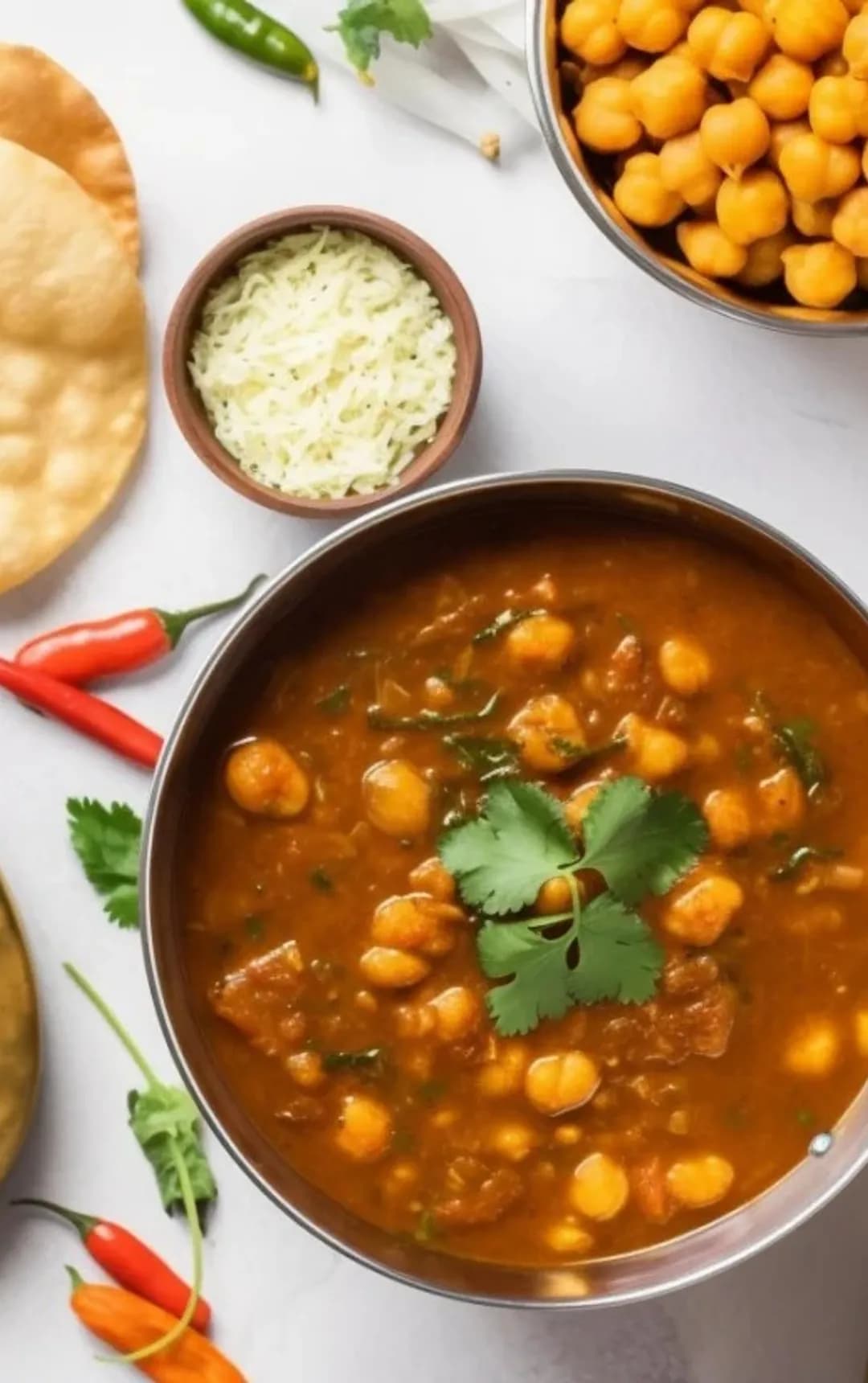
What catches people out
- The shared platter
- Everything is served on one round of injera, so meat stews and vegetable stews sit against each other and the injera underneath soaks up both. Worth asking for your dishes on their own plate if that matters.
- Niter kibbeh
- It is butter, so it stays within most vegetarian diets — but it means a vegetable stew is frequently not the plain oil-cooked dish it appears to be.
- Ayib arriving unannounced
- The fresh cheese is often added to a platter as a cooling element without being listed, which matters more for what it tells you about the kitchen's defaults than for the cheese itself.
Usually a good starting point
The fasting combination platter: five or six vegetable stews at once. Ethiopian Orthodox fasting periods cover a large part of the year and exclude all animal products, so this is a long-standing tradition rather than a menu accommodation.
A smooth, savoury purée thickened with ground chickpea or broad-bean flour. One of the most-ordered dishes in the country, and on fasting days it is made with oil.
Collard greens with garlic and ginger. Mild, and made without meat in the standard recipe.
What to actually say
One specific question is easier for everyone than three vague ones — for you and for the person answering.
- “Is this made with niter kibbeh or with oil?”
- “Is this a fasting dish?”
- “Can the vegetable dishes come on their own injera?”
What Ethiopian menus don’t print
Nobody is hiding anything. These are foundational ingredients that a Ethiopian kitchen treats the way you treat salt — not an ingredient, a medium. That is exactly why they never appear in a description.
Spiced clarified butter, and the single biggest surprise in a cuisine otherwise famous for suiting vegans. It is the default cooking fat in a great many stews, it is stirred into kitfo, and nothing on the menu mentions it. Fasting dishes are usually made with oil instead, which is why the fasting label matters so much here.
The red chilli-and-spice blend behind every key wat. Blends are house-made and vary enormously between kitchens, so the same dish name can arrive gently warm or genuinely fierce. Menus almost never grade it.
A hotter blend than berbere, built on bird's eye chilli. Served alongside kitfo and often already mixed into it, so the raw beef can be considerably hotter than it looks.
A mild, crumbly fresh cheese served to cool the heat. It frequently appears on a combination platter and beside gomen without being listed as a component.
Sweetens spiced breads and some sauces, and is the base of tej — the Ethiopian honey wine. Vegans who avoid honey rarely think to ask about it here.
Recipes vary between restaurants and change without notice, so treat all of this as what to raise with the kitchen rather than a guarantee about any particular dish. The staff always have the final word.
TableSage reads menus using an AI language model, which gets things wrong sometimes.
Know which dishes to ask about.
Photograph the menu and it flags what is worth raising — including the ingredients that are never printed.