
Vegan
Vegan at a Ethiopian restaurant: what to ask about
Most of what determines whether a Ethiopian dish works for vegans is not printed on the menu. Here is what is usually in there, and how to ask about it without an interrogation.
What catches people out
- Niter kibbeh
- The one real trap, and it is a significant one. Ethiopian food is one of the strongest cuisines in the world for vegans, which is exactly why the spiced butter catches people out — they stop asking. Ordering fasting food is the reliable route around it.
- Fasting is a calendar, not a menu
- Wednesdays, Fridays and the long fasting seasons are when kitchens cook everything in oil. Outside those days the same vegetable stews may well be made with butter, so the dish that was vegan last week may not be today.
- Ayib
- Fresh cheese, added to platters as a cooling side and easy to miss among the stews.
- The egg in doro wat
- A whole hard-boiled egg sits in the stew. Obvious once you know, and not always in the description.
Usually a good starting point
'Fasting combination' is the phrase that actually gets you what you want. It is understood immediately, it is not a special request, and it covers the butter question without you having to raise it dish by dish.
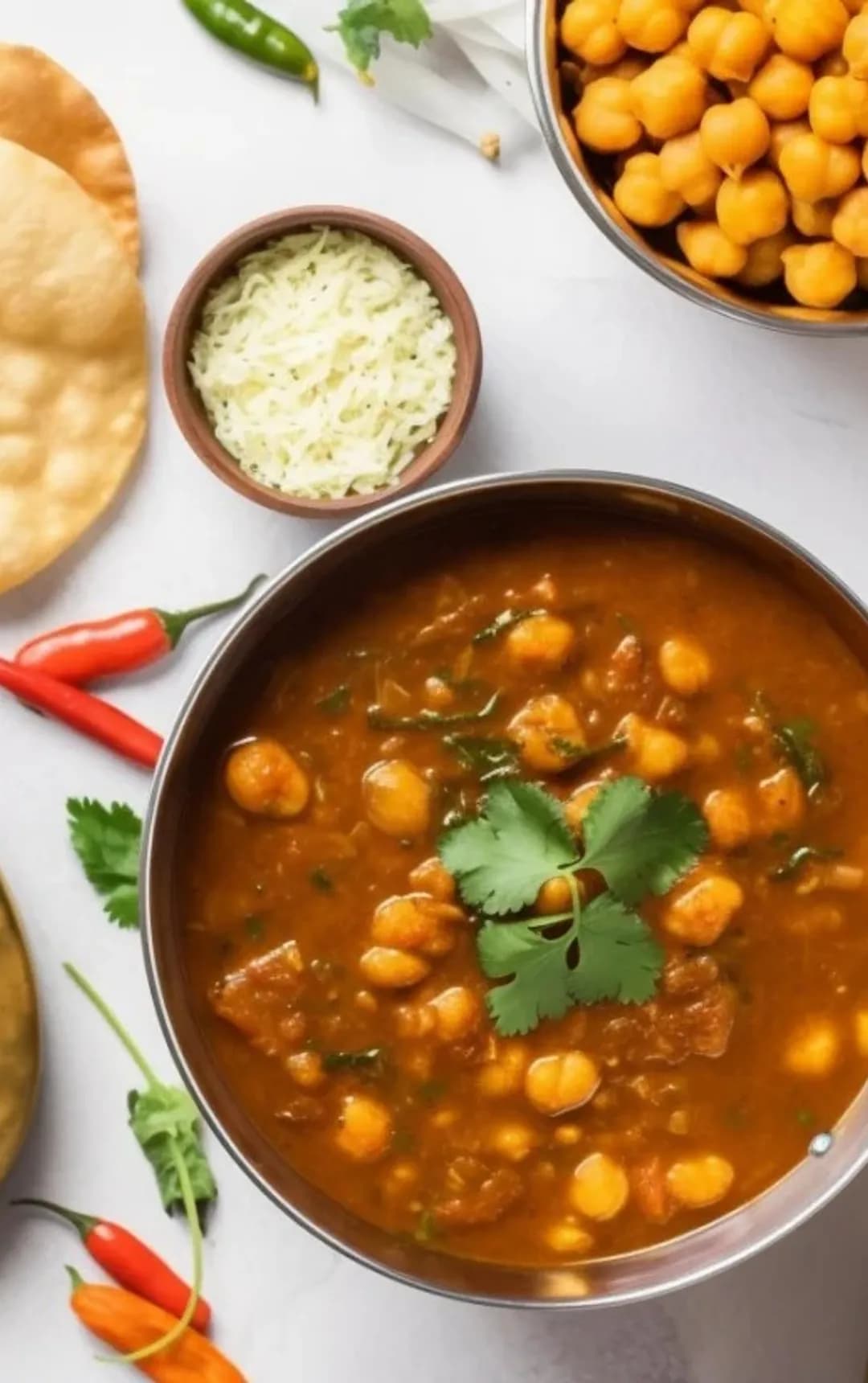
Yellow split peas cooked down with turmeric, onion and ginger. Mild, creamy and usually oil-based, particularly in its fasting form.
Red lentils in berbere. Hot, but reliably built on lentils and oil rather than on anything animal — a fasting-season staple.
What to actually say
One specific question is easier for everyone than three vague ones — for you and for the person answering.
- “Is this fasting food?”
- “Is it cooked with niter kibbeh or with oil today?”
- “Is there ayib on the platter?”
What Ethiopian menus don’t print
Nobody is hiding anything. These are foundational ingredients that a Ethiopian kitchen treats the way you treat salt — not an ingredient, a medium. That is exactly why they never appear in a description.
Spiced clarified butter, and the single biggest surprise in a cuisine otherwise famous for suiting vegans. It is the default cooking fat in a great many stews, it is stirred into kitfo, and nothing on the menu mentions it. Fasting dishes are usually made with oil instead, which is why the fasting label matters so much here.
The red chilli-and-spice blend behind every key wat. Blends are house-made and vary enormously between kitchens, so the same dish name can arrive gently warm or genuinely fierce. Menus almost never grade it.
A hotter blend than berbere, built on bird's eye chilli. Served alongside kitfo and often already mixed into it, so the raw beef can be considerably hotter than it looks.
A mild, crumbly fresh cheese served to cool the heat. It frequently appears on a combination platter and beside gomen without being listed as a component.
Sweetens spiced breads and some sauces, and is the base of tej — the Ethiopian honey wine. Vegans who avoid honey rarely think to ask about it here.
Recipes vary between restaurants and change without notice, so treat all of this as what to raise with the kitchen rather than a guarantee about any particular dish. The staff always have the final word.
TableSage reads menus using an AI language model, which gets things wrong sometimes.
Know which dishes to ask about.
Photograph the menu and it flags what is worth raising — including the ingredients that are never printed.