
Vegetarian
Vegetarian at a American restaurant: what to ask about
Most of what determines whether a American dish works for vegetarians is not printed on the menu. Here is what is usually in there, and how to ask about it without an interrogation.
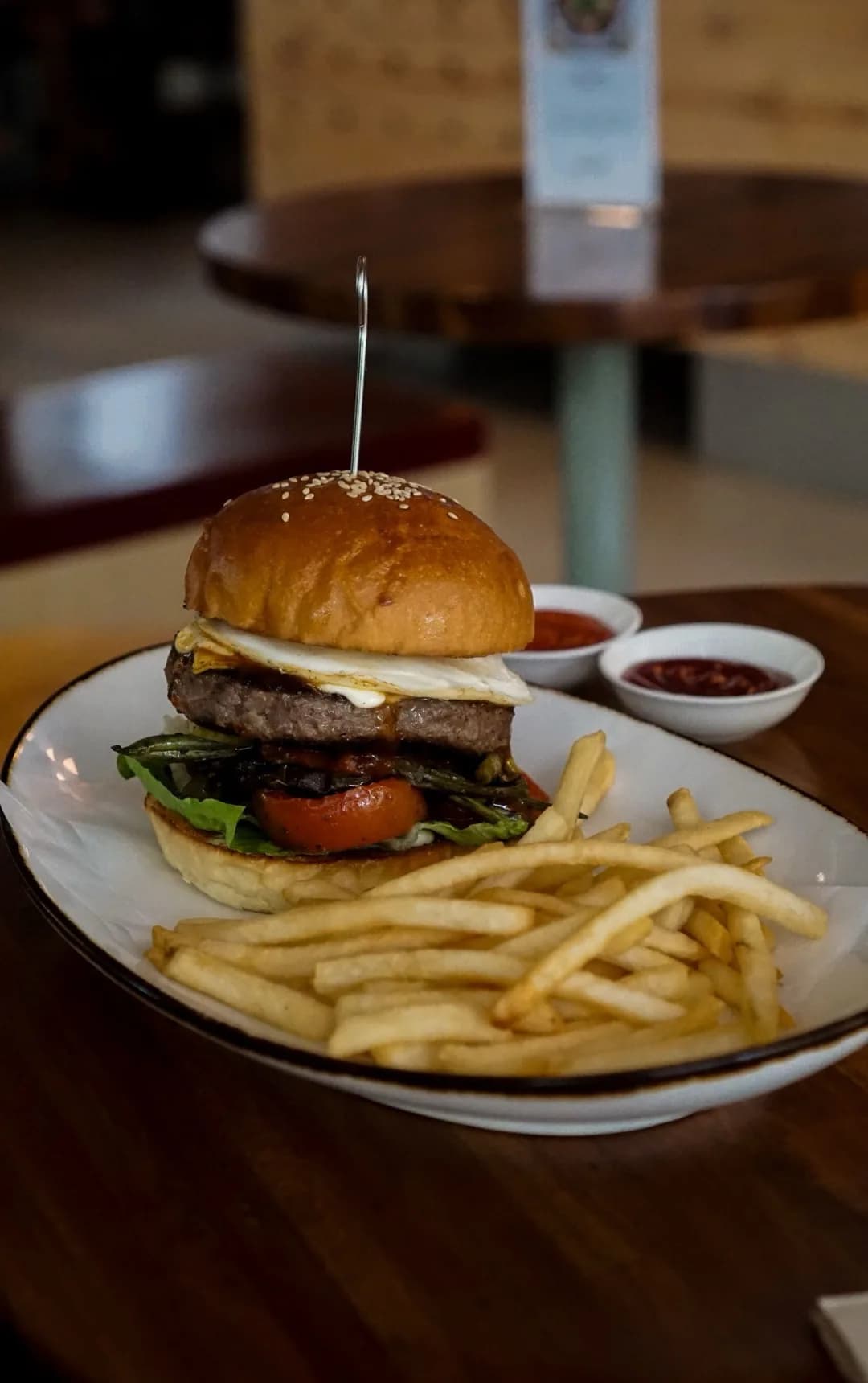
What catches people out
- Anchovy in Caesar dressing and Worcestershire sauce
- The classic Caesar recipe is built on anchovy, and Worcestershire carries it into meatloaf, gravies, marinades and a great many barbecue sauces. Worth asking about both by name.
- Bacon fat and ham hock in the vegetables
- Greens, beans and cornbread are traditionally cooked with pork. The side dishes are frequently the problem rather than the main.
- Chicken stock
- Soups, rice, gravy and even mashed potato are often built on it.
- Shared fryers
- Fries share oil with the chicken and the fish, and some kitchens fry in beef tallow rather than vegetable oil.
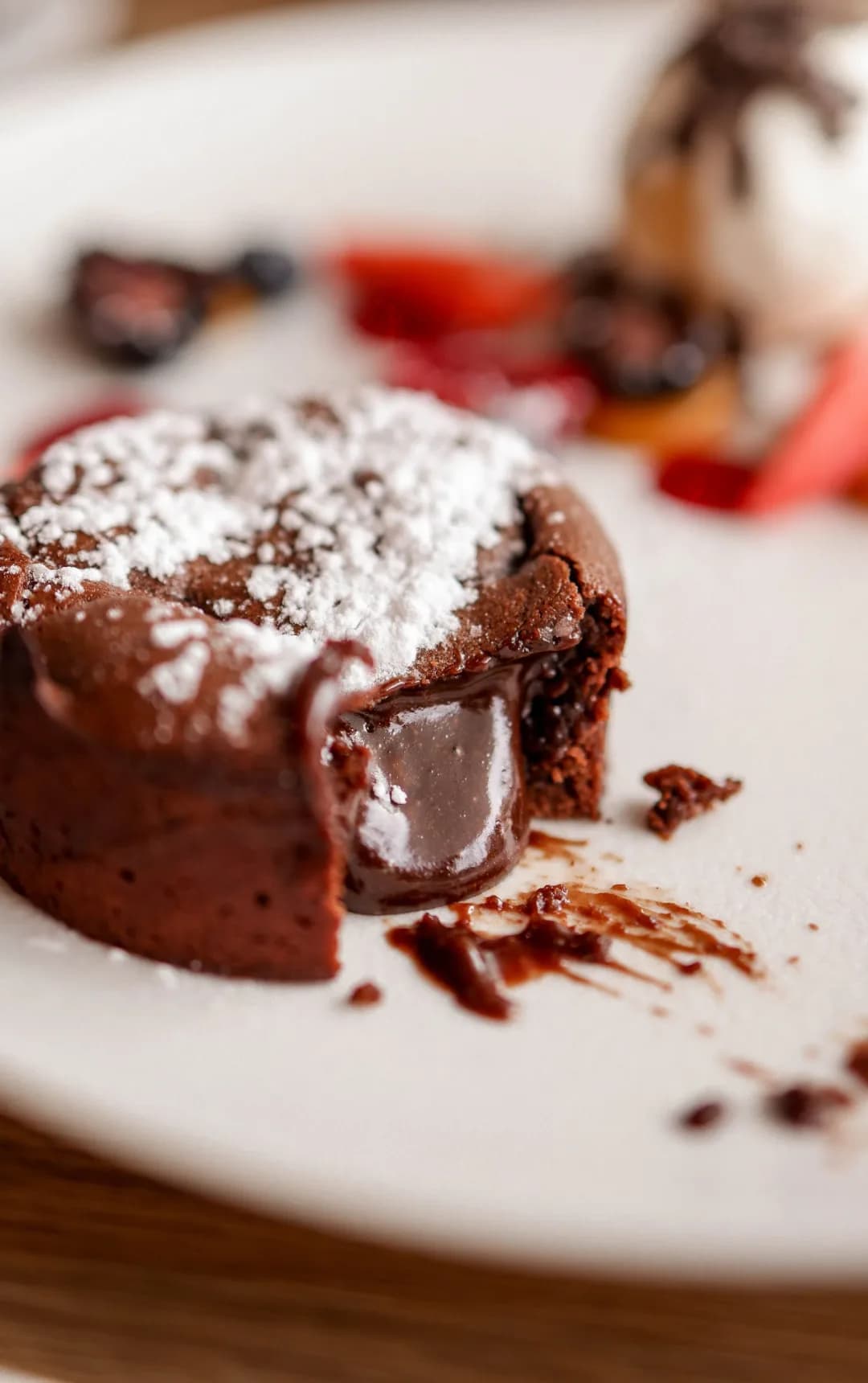
Usually a good starting point
Bread, cheese and butter, with nothing that needs asking about.
A diner fixture, and everything that goes on it is added at the table, so you decide what it becomes.
Asking for dressing on the side is completely routine here, and it converts the least predictable section of the menu into the most predictable.
What to actually say
One specific question is easier for everyone than three vague ones — for you and for the person answering.
- “Is there anchovy in the Caesar dressing?”
- “Are the greens cooked with bacon or a ham hock?”
- “Is the soup made with chicken stock?”
- “Is the fryer shared with meat?”
What American menus don’t print
Nobody is hiding anything. These are foundational ingredients that a American kitchen treats the way you treat salt — not an ingredient, a medium. That is exactly why they never appear in a description.
Soft drinks, obviously, but also barbecue sauce, ketchup, salad dressings, burger buns, breakfast cereals and cured meats. It is the reason so many savoury American dishes read as faintly sweet to visitors who were not expecting it.
The marinade under fried chicken, the ranch dressing on everything, and the biscuits, pancakes and cornbread. Dairy in a great many places where the menu describes no dairy at all.
Southern vegetable sides in particular — collard greens, green beans, baked beans, cornbread and hash browns are frequently started in it, or cooked with a ham hock. The vegetables are often the least vegetarian thing on the plate.
In the classic Caesar dressing, and in Worcestershire sauce — which then turns up in meatloaf, burger seasoning, gravies, barbecue sauces, cocktail sauce and a great many marinades. One ingredient, an enormous footprint, and it is essentially never printed.
Steaks basted or finished with it, vegetables tossed in it, toast and buns griddled in it, mashed potato built on it. It is applied after the dish description was written.
Recipes vary between restaurants and change without notice, so treat all of this as what to raise with the kitchen rather than a guarantee about any particular dish. The staff always have the final word.
TableSage reads menus using an AI language model, which gets things wrong sometimes.
Know which dishes to ask about.
Photograph the menu and it flags what is worth raising — including the ingredients that are never printed.