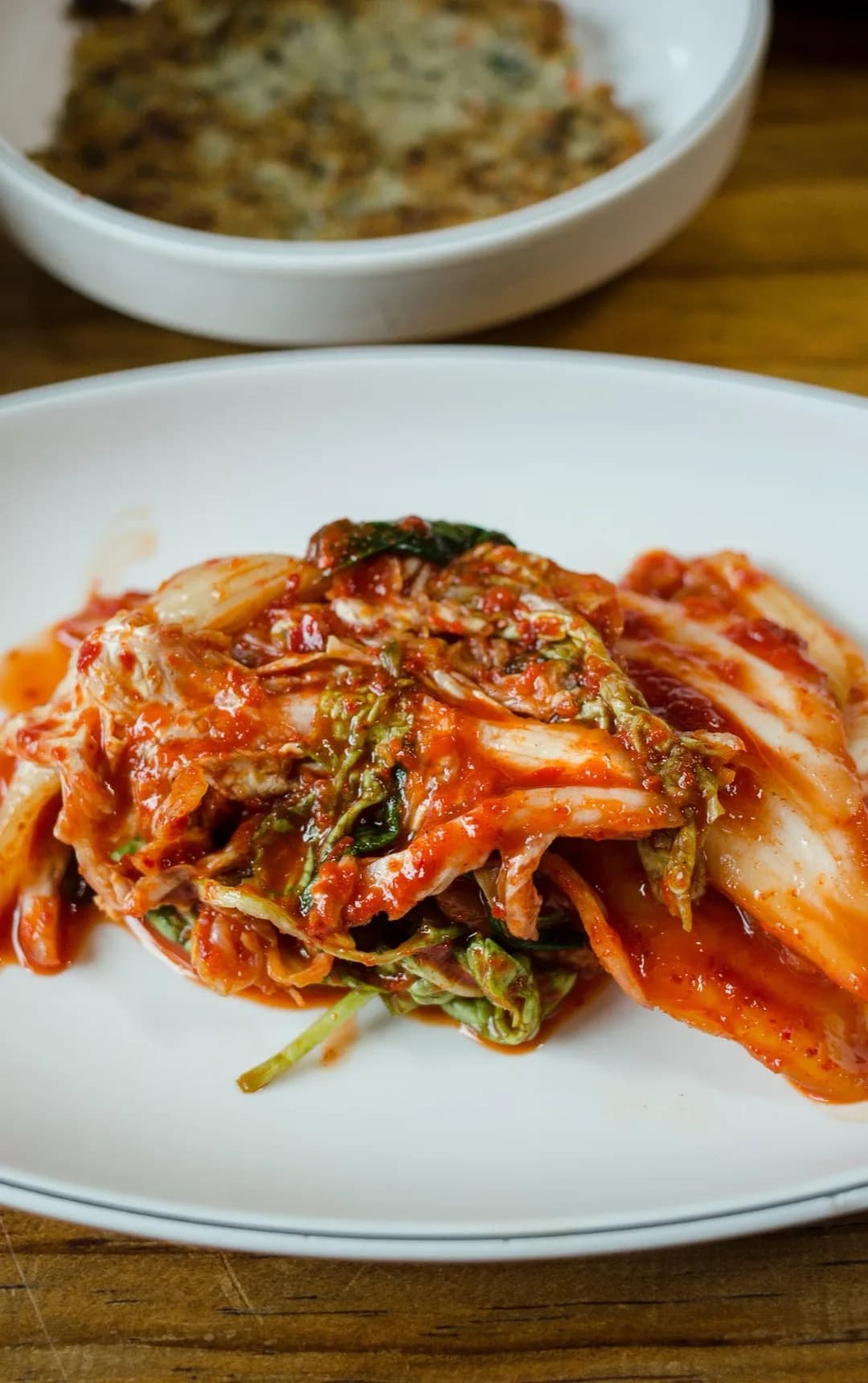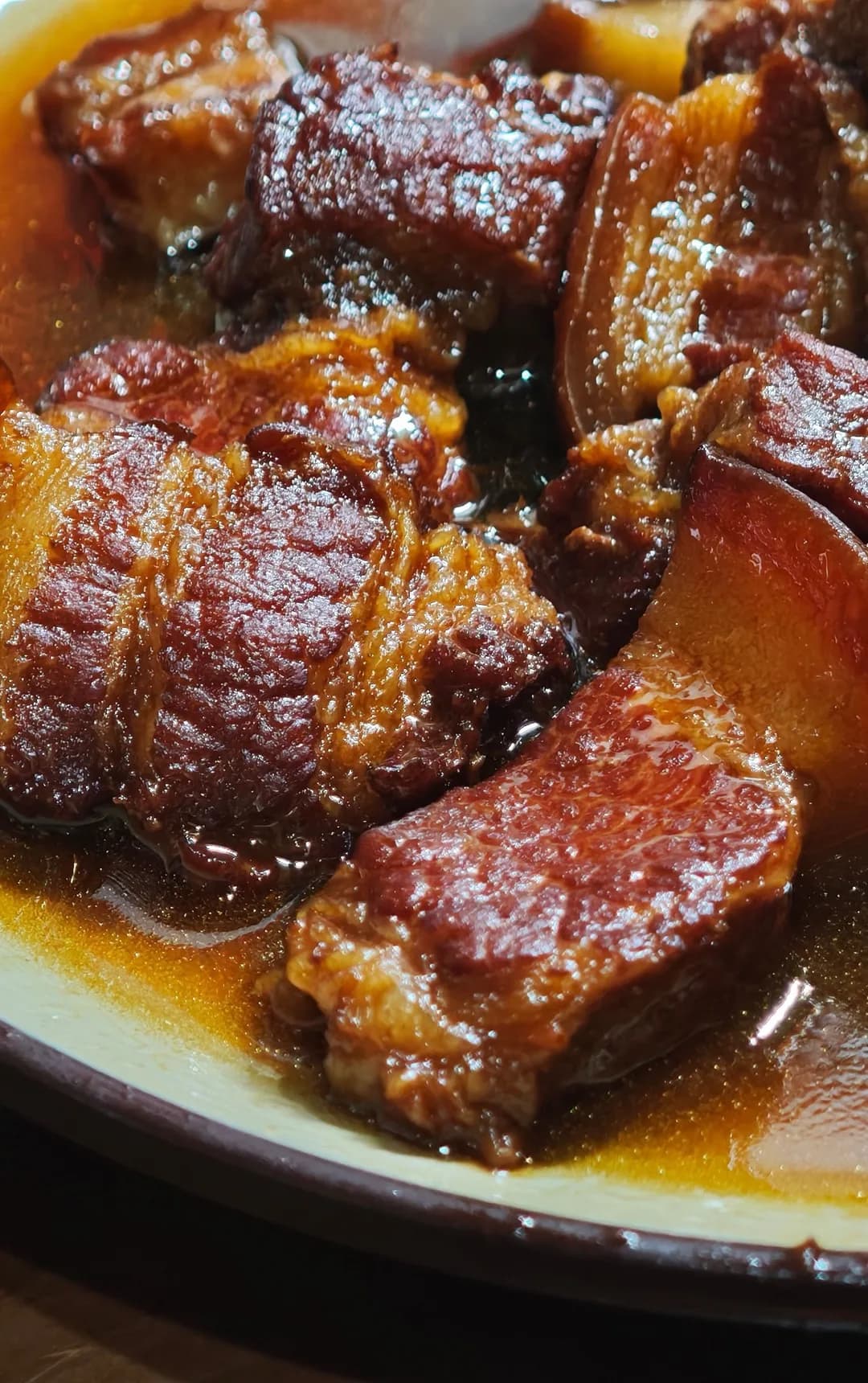
The menu is a spiral-bound book of photographs, which sounds like good news until you realise there are two hundred of them, they are all brown, and there are four of you at a round table with a glass turntable in the middle waiting to be filled.
Nothing about this situation is solved by translating dish names. It is solved by knowing where you are and how many dishes to order.
"Chinese food" is not a category
China's culinary tradition is conventionally divided into eight regional cuisines — 八大菜系 — including Sichuan, Cantonese, Hunan, Shandong and Jiangsu. The differences between them are larger than the differences between French and Italian cooking.
The three you are most likely to walk into:
- Sichuan (川菜) — 麻辣 málà: numbing plus hot. The numbing comes from Sichuan peppercorn and is a genuinely distinct sensation, not a level of heat.
- Hunan (湘菜) — chilli-hot without the numbing, and often the hotter of the two. Also more sour and smoky, with a lot of cured pork.
- Cantonese (粤菜) — steamed, poached, restrained, sweet-savoury. If you want the gentlest landing in Chinese food, this is it.
Knowing which one you are sitting in tells you more than any individual dish name. A "vegetable stir-fry" in Guangzhou and in Changsha are not close relatives.
Ordering for a table is the actual skill
Chinese dishes are shared, arrive as they are ready, and are chosen as a set. A reliable rule of thumb is one dish per person plus one, chosen so they do not resemble each other:
- one cold dish to start
- one braise or clay pot — slow-cooked, deeply savoury, usually mild
- one plain green vegetable
- one thing that is fried or crisp
- a soup, and rice
Four brown, salty, stir-fried dishes is the mistake, and it is the one everyone makes on the first night. Note also that in many restaurants rice arrives with or after the dishes rather than before them.
The dish names are jokes, riddles and metaphors
Machine translation renders 狮子头 as "lion's head." It is a large braised pork meatball from Jiangsu, and the name describes its size. Nothing about the translation helps you.
It is not an isolated case:
- 鱼香茄子 — "fish-fragrant aubergine." There is no fish in it. Yúxiāng is a Sichuan seasoning profile — pickled chilli, garlic, ginger, spring onion, vinegar, sugar — named after the way fish was traditionally cooked.
- 蚂蚁上树 — "ants climbing a tree." Glass noodles with minced pork.
- 夫妻肺片 — "husband and wife lung slices." Sliced beef and offal in chilli oil, and it does not contain lung.
What you actually want to know is what is in it and how it was cooked, which is interpretation rather than translation. More on that distinction in how to read a Chinese menu.
Five characters worth recognising
Chinese characters give you no phonetic help at all, so unlike Thai or Japanese there is no partial route in via an alphabet. But five characters do a great deal of filtering:
- 炒 (chǎo) — stir-fried
- 蒸 (zhēng) — steamed
- 辣 (là) — spicy, and the single most useful one to recognise
- 素 (sù) — vegetarian
- 牛 / 猪 / 鸡 — beef / pork / chicken
The seasonings that are never on the page
- Oyster sauce is a default in an enormous number of stir-fries, plain greens included.
- Chicken stock or chicken powder is used as a base seasoning in vegetable dishes and soups, almost by reflex.
- Dried shrimp appears in XO sauce and in many dumpling fillings.
- Wheat is in most soy sauce, which surprises people who assume soy means soy.
The term to ask for on the other side is 斋 (zhāi) — Buddhist-style, meat free, and usually free of egg and alliums too. It is a stronger signal than pointing at a vegetable. The vegetarian Chinese guide has the rest, and what to order as a picky eater covers the mild end.
Where TableSage fits
TableSage reads a photographed menu, works out what the dish actually is rather than what the characters literally say, and flags the oyster sauce and chicken powder that were never printed.
It never calls a dish safe. Recipes vary between kitchens and regions and change without notice, so the staff have the final word — but you will know what to ask.