A plastic stool in Hanoi, a hand-painted sign with four words on it, and no menu at all. Or the opposite: a Saigon restaurant with a twelve-page laminated book where forty items appear to be the same soup.
Both situations are easier once you know that Vietnamese menus are organised around the noodle, not the protein.
Phở and bún are different noodles, and that is the whole distinction
Phở is a flat rice noodle, and the word also means the dish: that noodle in beef or chicken broth. Bún is a round rice vermicelli, and it turns up in dishes that look nothing like each other.
- Bún chả — Hanoi. Grilled pork patties and slices in a bowl of warm, sweet, diluted dipping broth, with the noodles served dry alongside. You assemble it.
- Bún bò Huế — from Huế, in the centre. Lemongrass, chilli, a beef and pork broth, and genuinely spicy, unlike almost everything else on this list.
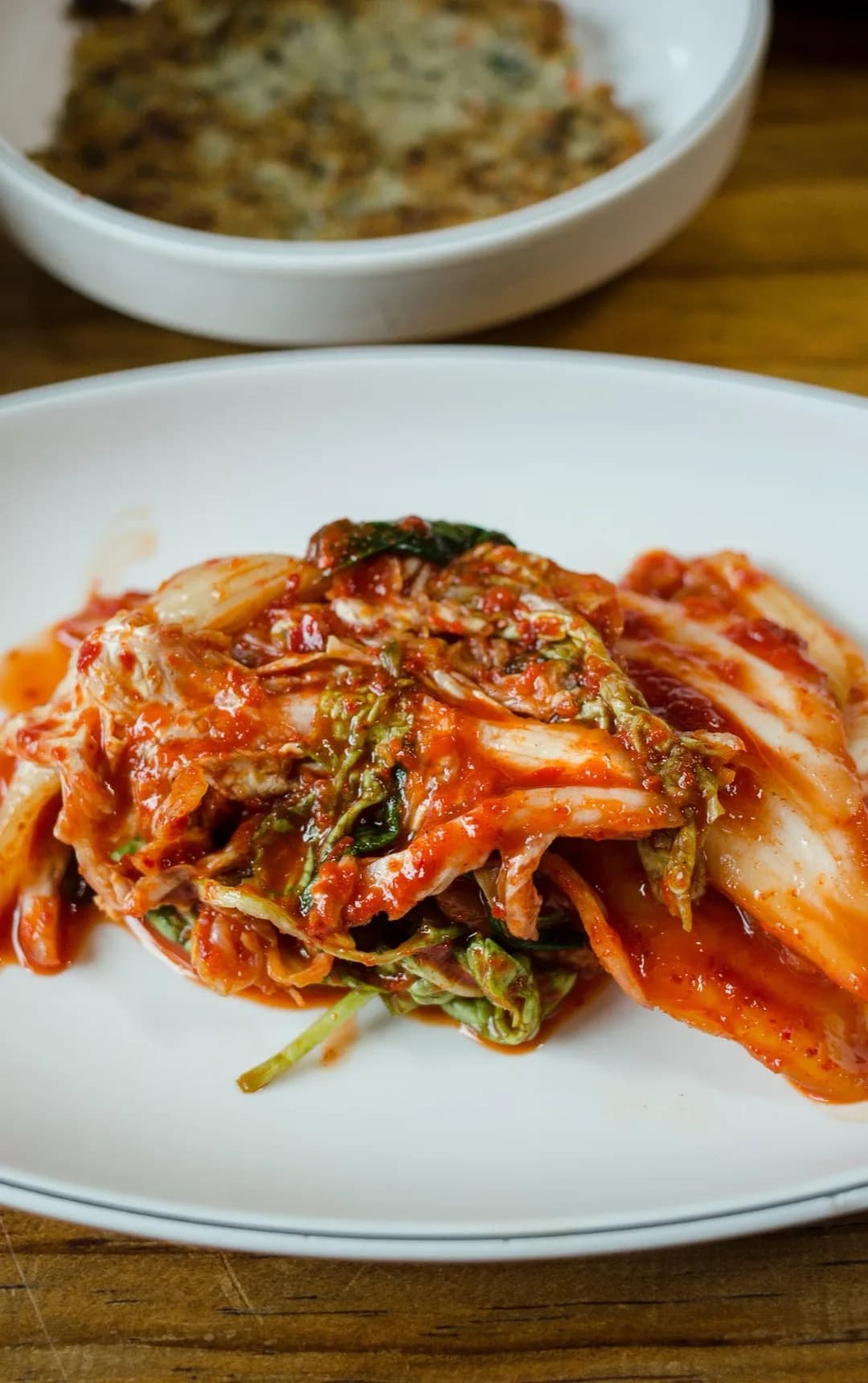
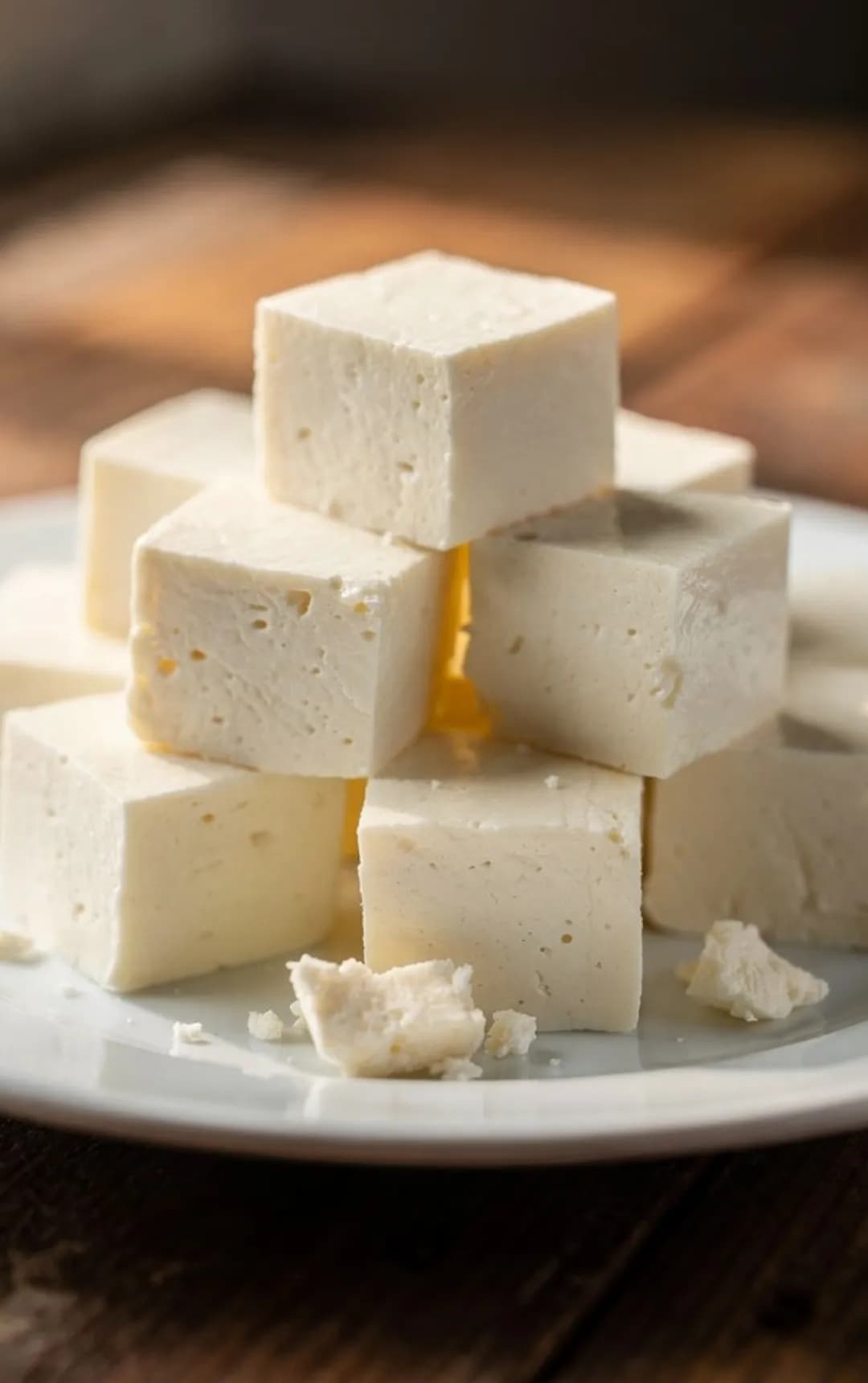
- Bún đậu mắm tôm — fried tofu and noodles with fermented shrimp paste. The paste is pungent in a way that is worth being ready for.
Other words worth recognising: mì is a wheat noodle, miến is a glass noodle, cơm is rice, and cơm tấm — broken rice — is a whole Saigon category of its own.
North and south are cooking different food
This is the fact that resolves most confusion about "real" Vietnamese food.
A Hanoi phở arrives clear and restrained: broth, noodles, meat, spring onion, perhaps a wedge of lime. A Saigon phở arrives sweeter, with a side plate the size of the bowl — bean sprouts, herbs, lime, chilli — plus hoisin and chilli sauce on the table.
Neither is wrong. But adding hoisin to a Hanoi bowl in Hanoi is a small declaration about where you are from, and there will be no hoisin on the table to add.
The plate of leaves is an ingredient, not a garnish
That heap of greenery is rau thơm, and it is meant to go in the bowl, progressively, so the flavour changes as you eat. It usually includes Thai basil (húng quế), sawtooth herb (ngò gai), and often rice paddy herb (ngò om) or perilla (tía tô), which is purple on one side.
If you dislike coriander — which is a genetic thing rather than a fussy thing — this plate is where it lives, and it is trivially easy to leave out. That is a much better outcome than discovering it chopped through a sauce, which is the usual situation elsewhere. We wrote about why that reaction is real in why am I a picky eater.
Nước mắm is in almost everything, and nước chấm is what you dip in
Nước mắm is fish sauce, and it seasons nearly every savoury dish in the country. It is the base salt, not a flavour choice, so it appears on no menu.
Nước chấm is the diluted dipping sauce made from it — fish sauce, water, lime, sugar, garlic, chilli — and it arrives in a small bowl beside almost everything grilled or fried.
Two consequences worth knowing:
- Vegetable dishes are frequently seasoned with fish sauce. So are the ones described as chay on an English menu if the kitchen is being loose with the word.
- Phở broth is usually built on beef bones over many hours. There is no version of it that is quietly vegetarian.
It is the same shape of problem as fish sauce in Thai cooking, and the questions that work there work here too — see vegetarian at a Thai restaurant.
Chay is the word that actually helps
Chay means Buddhist vegetarian: no meat, no fish sauce, and traditionally no alliums. Cơm chay shops exist in every city, and many ordinary restaurants cook chay versions on the first and fifteenth days of the lunar month, when a lot of people eat that way. Asking for phở chay in a chay restaurant is normal; asking for it in a phở shop usually is not.
One more trap: bánh mì is bread, and the sandwich almost always contains pâté and a mayonnaise-style spread underneath whatever is named on the sign.
Where TableSage fits
TableSage reads a photographed menu and tells you what is likely in each dish, including the fish sauce and the pâté that nobody prints, then narrows the page to what suits the tastes you set up. More on that in scan any menu and for travellers.
It never calls a dish safe. Recipes vary from shop to shop and change without notice, so the staff have the final word — but you will walk in knowing what to ask.