
What to order
What to order at a Italian restaurant as a picky eater
Italian food has a reputation that puts people off before they have read a menu. Some of that reputation is earned, and most of it applies to a section you can simply skip.
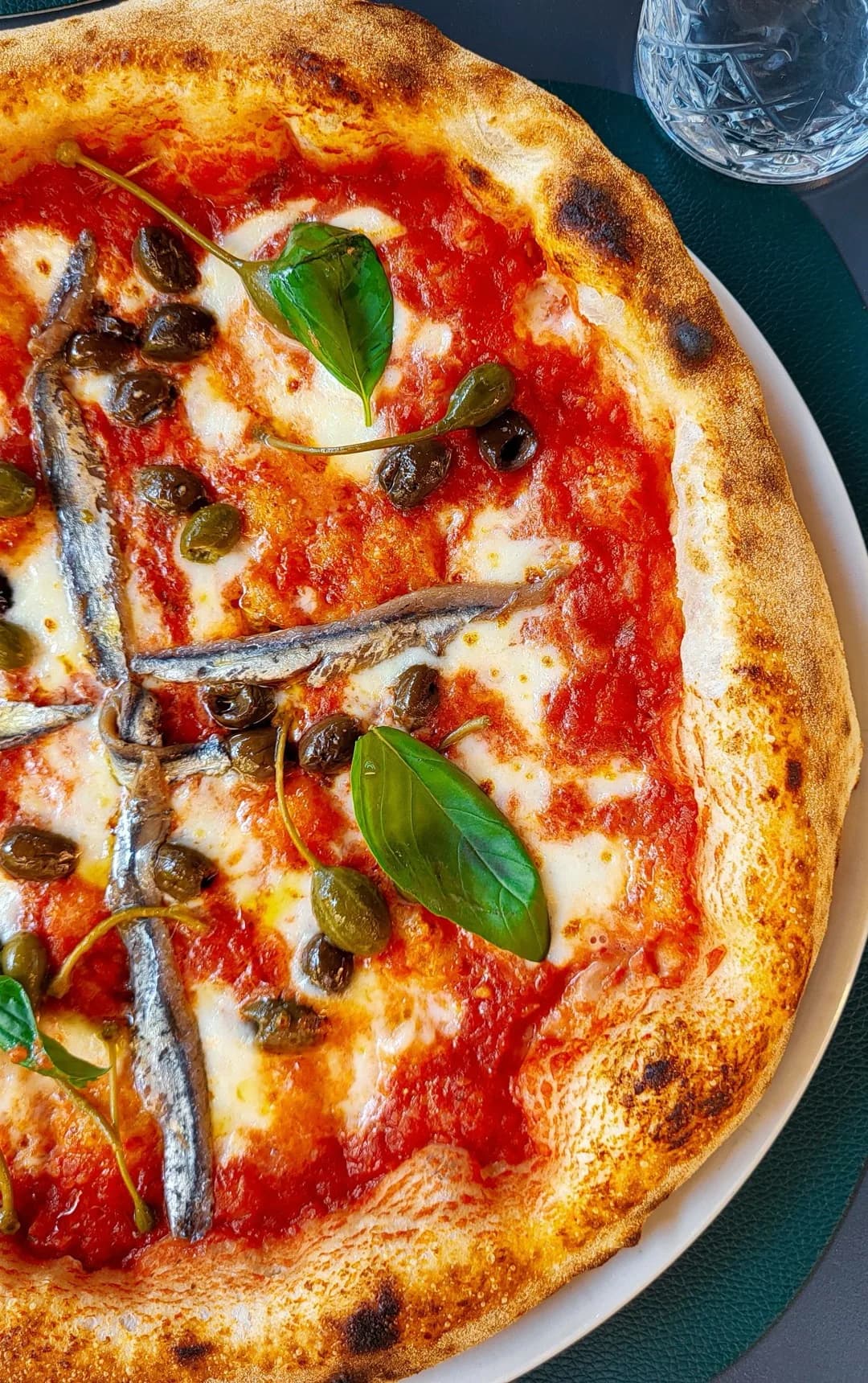
Eliminate sections before you read dishes
Italian menus are grouped by how the food is cooked, and that grouping does most of the work for you. Ruling out a whole section is faster than reading twenty dish names.
Starters — cured meats, vegetables, cheeses. Easy to graze and easy to skip.
First courses: pasta, risotto, soup. Not a starter, but not the main event either.
Meat and fish, usually served alone. The vegetables are ordered separately.
Side dishes. If you want vegetables with your secondo, they are here.
Desserts.
Reliable starting points
Tomato, basil, olive oil. Nothing hidden and nothing challenging.
Three ingredients, all of them familiar.
Creamy, mild, and saffron-scented rather than spiced.
Braised chicken in tomato — a stew in all but name.
If you want to stretch slightly
Cacio e pepe
Four ingredients and a lot of black pepper. If you like a simple cheese pasta, this is the same thing with the volume turned up rather than a different dish.
A dish that shares most of its properties with something you already enjoy, and differs in one, lands far more often than a leap does.
What Italian menus don’t print
Nobody is hiding anything. These are foundational ingredients that a Italian kitchen treats the way you treat salt — not an ingredient, a medium. That is exactly why they never appear in a description.
Dissolved into the base of many sauces — puttanesca obviously, but also several braises and dressings, where it reads as depth rather than fish.
Guanciale or pancetta in carbonara and amatriciana; strutto in some breads and pastries.
Traditional Parmigiano Reggiano is made with animal rennet, which matters to vegetarians even though the cheese is not meat.
Fresh pasta is usually egg-based; dried pasta usually is not.
Recipes vary between restaurants and change without notice, so treat all of this as what to raise with the kitchen rather than a guarantee about any particular dish. The staff always have the final word.
TableSage reads menus using an AI language model, which gets things wrong sometimes.
Point it at the menu instead.
TableSage reads every dish on a Italian menu — including the parts that aren't printed — and tells you which ones suit you.