Most of these guides are about a country that is harder for vegetarians than it looks. India is the opposite. It is the easiest place in the world to eat vegetarian, and the interesting problem is not scarcity. It is that the word means something more specific there than it does at home, and the specifics run in both directions.
Ghee is the ingredient that tells you where you stand
Ghee — clarified butter — is the default cooking fat in an enormous number of Indian kitchens. It is in dals, in breads, in sweets, in the tempering poured over a dish at the end, and in plenty of things that read on the page as though they were cooked in oil.
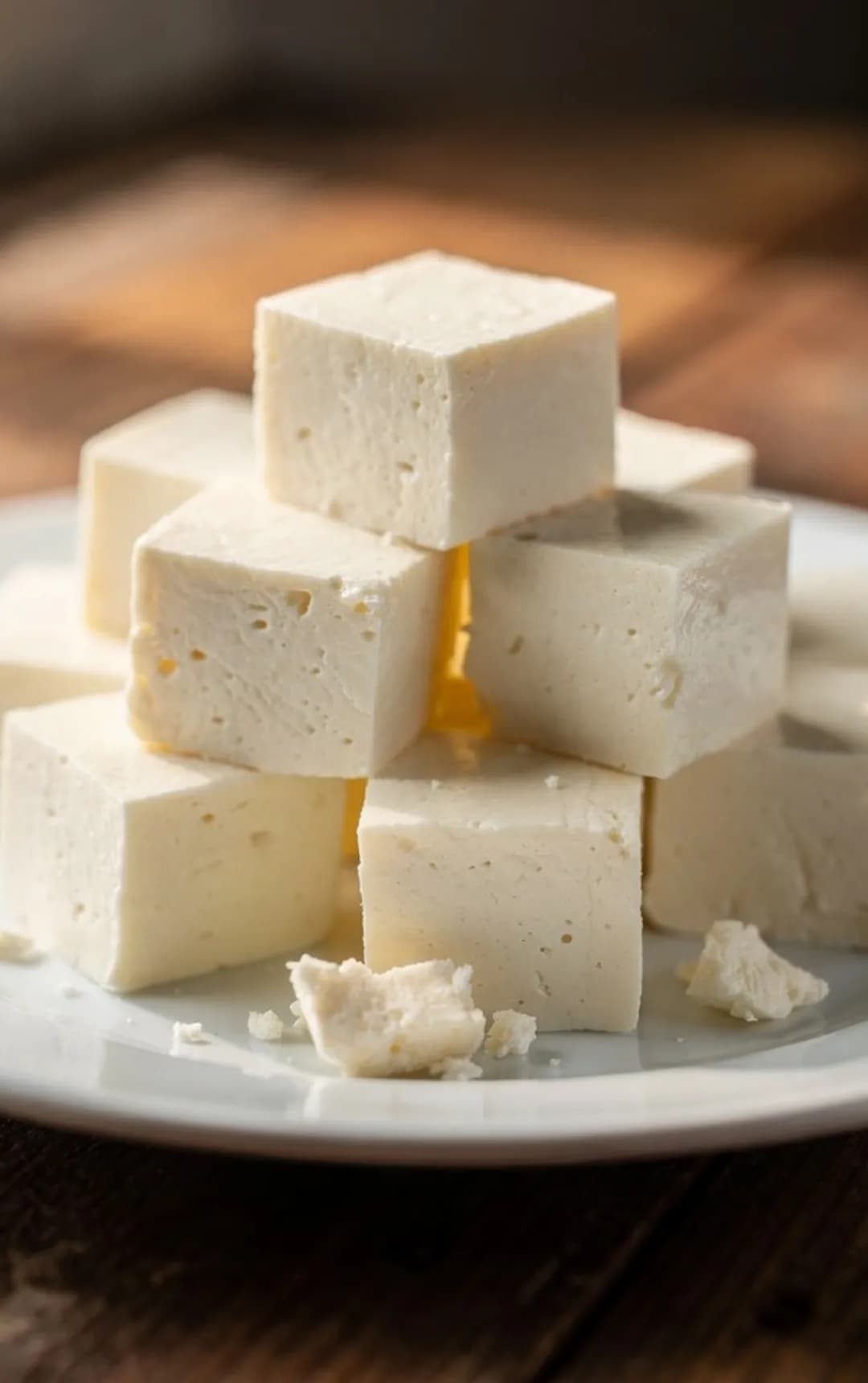
For a lacto-vegetarian this is not a problem at all. It is dairy, not meat, and Indian vegetarian cooking is built on dairy quite deliberately: ghee, paneer, yoghurt, cream. That is the tradition, not a compromise within it.
It becomes the central problem the moment you are avoiding dairy as well. Ghee is the reason a vegan in India can be surrounded by vegetarian food and still struggle, and it is the single question worth asking more than any other.
Vegetarian usually excludes egg, and that is the surprise
In India, "vegetarian" generally does not include eggs. There is a separate, widely used word — eggetarian — for someone who eats them. Packaged food carries a green dot in a green square for vegetarian and a brown or red mark for non-vegetarian, and egg falls on the non-vegetarian side of that line.
So a Western vegetarian who is used to eggs being unremarkable will find them absent from vegetarian menus, and a Western vegetarian who assumes "vegetarian" is a loose category will find it applied more strictly than they expected. Both directions catch people out.
Many kitchens also cook no onion, no garlic for religious reasons, and Jain food excludes root vegetables entirely. These are stricter categories than vegetarian, not looser ones.
The words that actually help
शुद्ध शाकाहारी (shuddh shākāhārī) — "pure vegetarian" — is the phrase that does the work. Restaurants advertise it on the sign, in English as pure veg, and it means the whole kitchen is vegetarian rather than a section of the menu. No shared fryer, no shared pans, no negotiation.
Saying "I am vegetarian" is a weaker signal because it invites a judgement call about the stock or the fat. Asking whether the place is pure veg asks about the building, which has a yes-or-no answer.
Hindi will not help you everywhere — the south runs on Tamil, Telugu, Kannada and Malayalam — but "pure veg" as an English phrase is recognised nationally, because that is how it is written on the signs.
The regional split is real
In Gujarat and Rajasthan, vegetarian food is the default rather than the alternative, and entire streets of restaurants are pure veg. South Indian tiffin — idli, dosa, uttapam, sambar — is largely vegetarian by construction.
In coastal Kerala, Goa and Bengal, fish is an everyday staple and the balance shifts considerably. That does not make eating vegetarian difficult there, but it does mean the assumption you carried out of Ahmedabad will not hold in Kochi.
Dishes that are usually a reasonable starting point
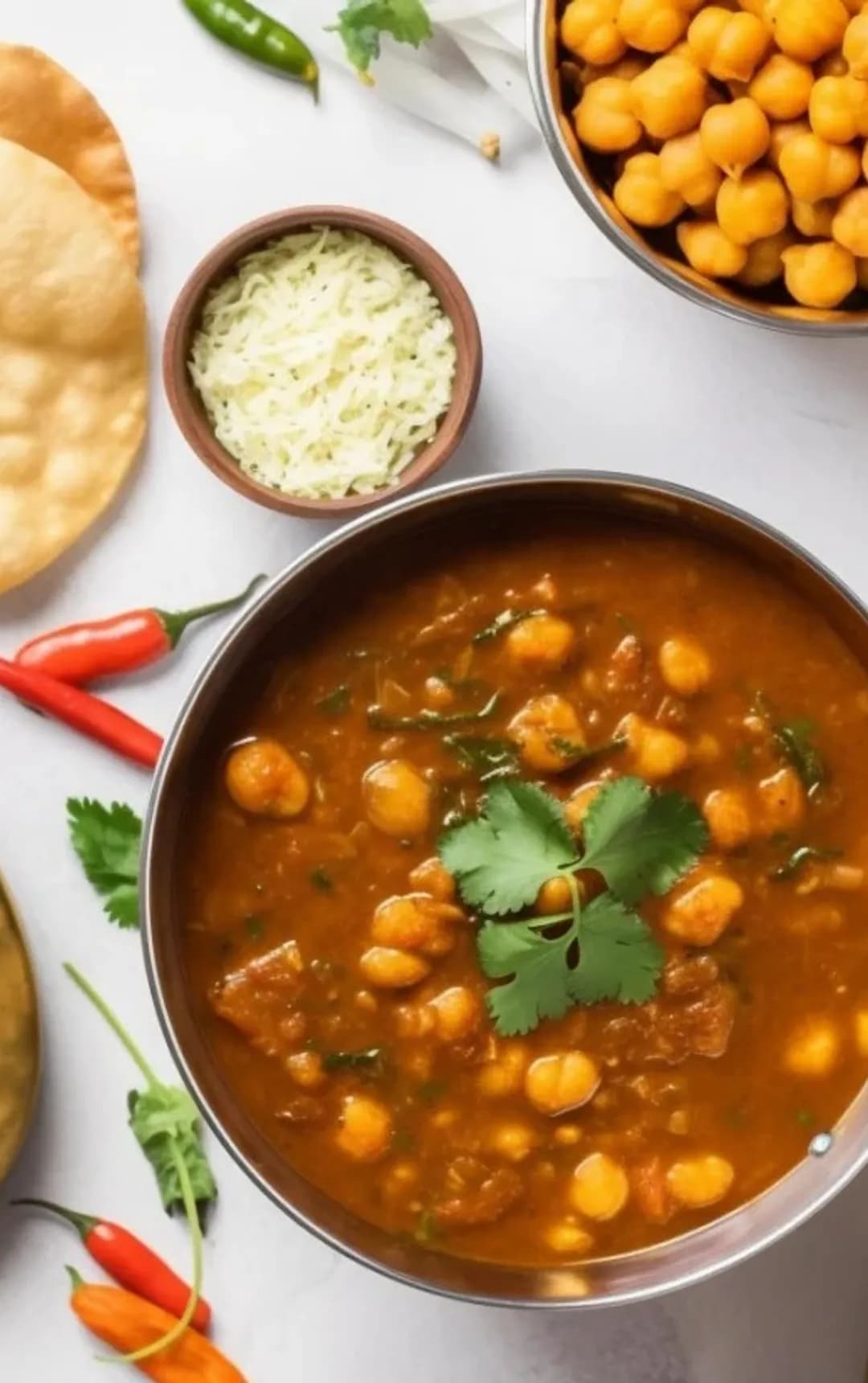
- Chana masala — chickpeas in a tomato base, though the cooking fat is worth asking about
- Dal — lentils, in a hundred regional forms, though the tempering poured over the top is frequently ghee
- Idli and sambar — steamed rice cakes with lentil broth, usually a straightforward order in the south
- Roti or chapati — typically flour, water and salt, where naan is usually made with milk or yoghurt
"Usually" is doing real work in every one of those. None of them is a guarantee, and the same dish is made differently two states over.
The questions worth asking
क्या यह घी में बना है? Kya yah ghee mein banā hai? "Is this made in ghee?"
क्या इसमें अंडा है? Kya isme andā hai? "Is there egg in this?"
And the one that needs no translation, because it is written on the door already: "Is this place pure veg?"
Preference, or something stricter
If you are vegetarian by preference, India requires almost nothing of you beyond ordering. If you are vegetarian for religious reasons, or vegan, then pure veg restaurants and Jain kitchens are the plan rather than the fallback — and the good news is that unlike most countries in this series, the specialist option is on nearly every high street.
TableSage flags ghee, dairy, egg and the other things that never make it onto the page. It will not tell you a dish is suitable — recipes vary and the kitchen has the final word — but it will tell you what to ask.
More detail: Vegetarian at an Indian restaurant and the ingredients menus leave out.