Italy reads as an easy country for a vegetarian. Tomato, bread, olive oil, cheese, pasta, vegetables cooked properly. Most of a menu appears to be on your side.
Two ingredients complicate it, and neither of them appears in any dish name.
Anchovy is dissolved into things that are not fish dishes
Acciughe — anchovies — are used in Italian cooking the way salt is used elsewhere. Melted into hot oil at the start of a sauce, they disappear completely. What is left does not taste of fish. It tastes of depth, which is exactly why cooks use them and exactly why nobody thinks to mention it.
Puttanesca is the obvious case and the least dangerous, because the name has a reputation. The harder cases are the quiet ones: braised greens, some vinaigrettes and dressings, several vegetable contorni, the soffritto under a braise, and bagna càuda, which is anchovy in the way that pesto is basil.
If you eat fish, none of this matters. If you do not, the anchovy is the single most common way an Italian meal goes wrong for a vegetarian.
Parmesan is set with animal rennet
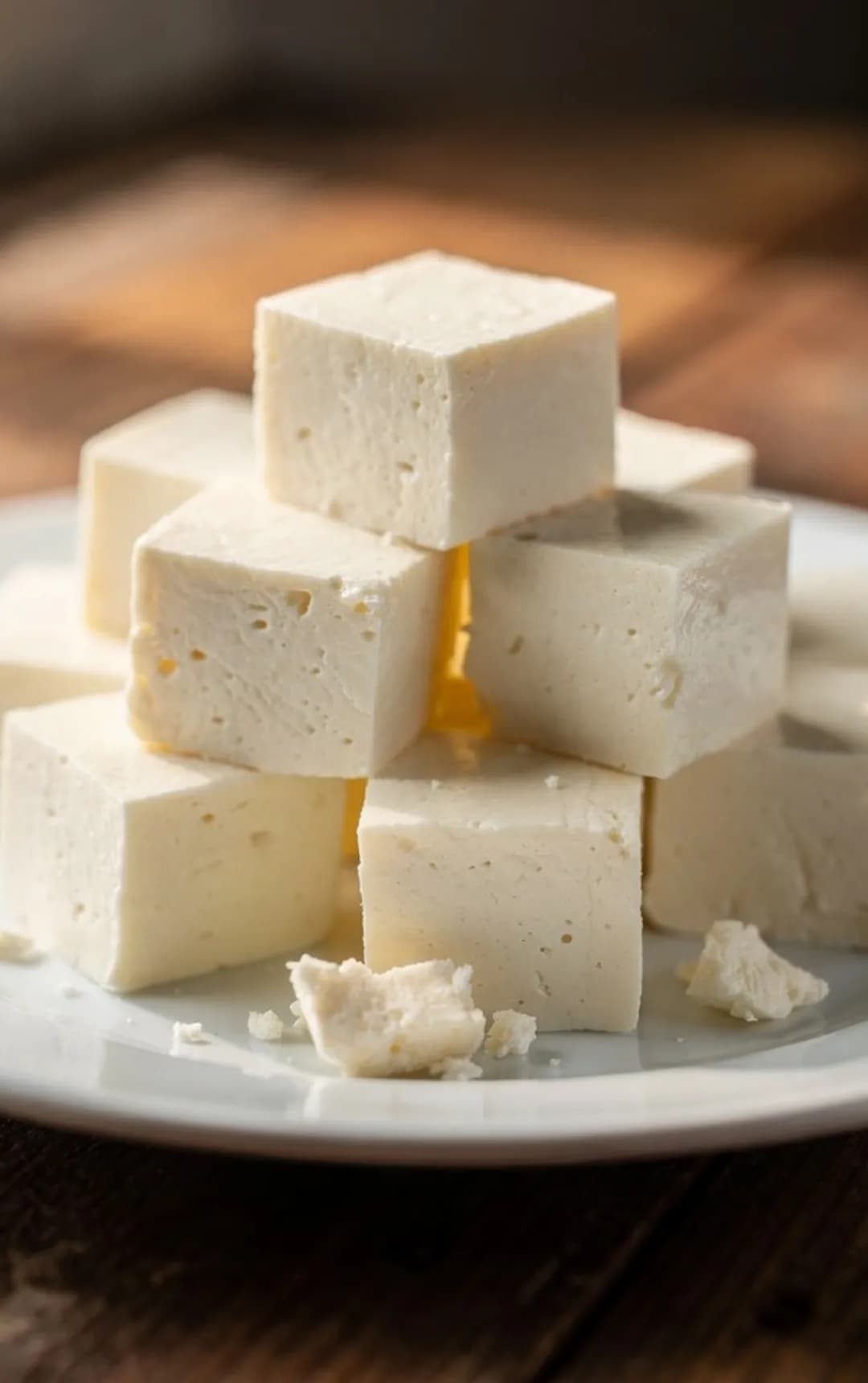
The second problem is the one people find hardest to believe. Traditional Parmigiano Reggiano is made with calf rennet, as required by its production standard. Grana Padano is made the same way. Pecorino Romano uses lamb rennet.
This matters if you avoid rennet, and it is awkward precisely because grated hard cheese is the default finish on the dishes a vegetarian is most likely to order. It arrives at the table on a plate the menu described as vegetables and pasta.
The words that actually help
"Senza carne" — without meat — is a weak signal in Italy, because it is answered literally. Nothing in it excludes the anchovy dissolved in the sauce, the brodo di carne the risotto was made with, or the pork fat in the soffritto. You will get a plate with no visible meat on it, which is not the same thing.
Two terms are more useful. "Senza carne e senza pesce" covers the anchovy, because it puts fish explicitly on the list rather than leaving it to interpretation. And on cheese, "caglio vegetale" or "caglio microbico" — vegetable or microbial rennet — is what you are looking for. Some Italian cheesemakers use it and label it, and asking for it by name is far more precise than asking whether the cheese is vegetarian.
Risotto is the third one
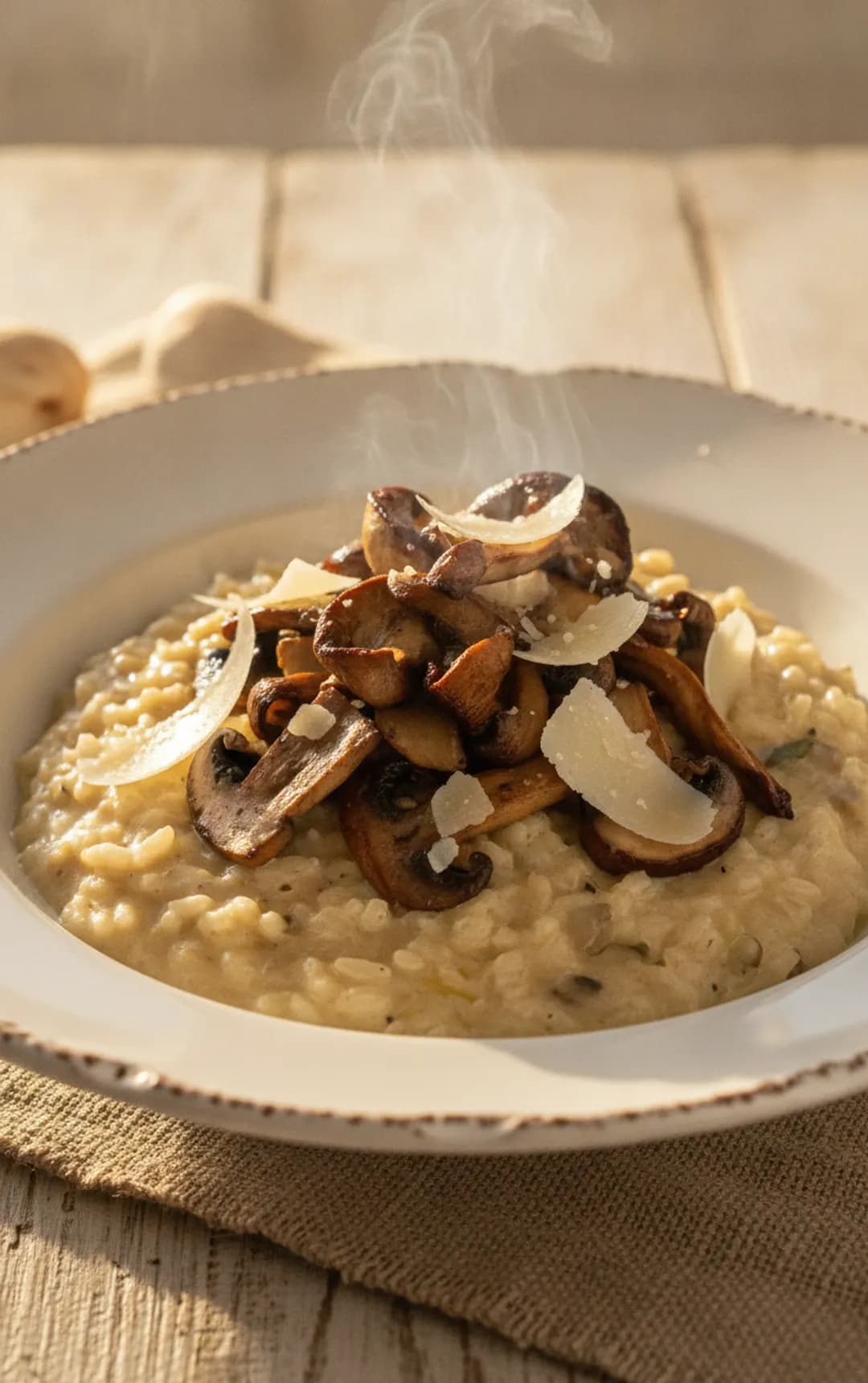
Risotto is very frequently built on chicken or beef brodo, including risotto with no meat in the description at all. Risotto alla milanese is traditionally made with meat stock and finished with butter and marrow. This is worth asking about every time, because there is no way to tell from the plate.
Dishes that are usually a reasonable starting point
- Pasta al pomodoro — tomato, basil, olive oil, and about as little hiding as Italian food does
- Pizza marinara — tomato, garlic, oregano, no cheese at all, and vegan by tradition rather than by adaptation
- Melanzane alla parmigiana — aubergine, tomato and cheese, where the cheese is the thing to ask about rather than the aubergine
- Verdure grigliate or a contorno of greens — though whether anchovy went into the pan is the question
"Usually" is carrying weight in all four. None is a guarantee, and the same dish differs between a Roman trattoria and a Milanese one.
The questions worth asking
C'è acciuga nel sugo? "Is there anchovy in the sauce?"
Il risotto è fatto con brodo vegetale? "Is the risotto made with vegetable stock?"
Questo formaggio è con caglio animale? "Is this cheese made with animal rennet?"
Italian kitchens answer these without irritation. They are questions about technique, and cooks like talking about technique far more than they like being handed a dietary label.
Preference, or something stricter
If you are vegetarian by preference, Italy is comfortable. The vegetable cooking is genuinely excellent, the contorni section exists for exactly this purpose, and pizza solves any evening.
If you are strict — a dissolved anchovy counts, calf rennet counts — then plan for it. Look for restaurants that describe themselves as vegetariano rather than as having vegetarian options, and treat them as the plan rather than the fallback. Outside the cities that is a shorter list than you would like.
TableSage flags anchovy, animal rennet, meat stock and the rest of what never gets printed. It will not tell you a dish is suitable — recipes vary and the kitchen has the final word — but it will tell you what to ask.
More detail: Vegetarian at an Italian restaurant and the ingredients menus leave out.