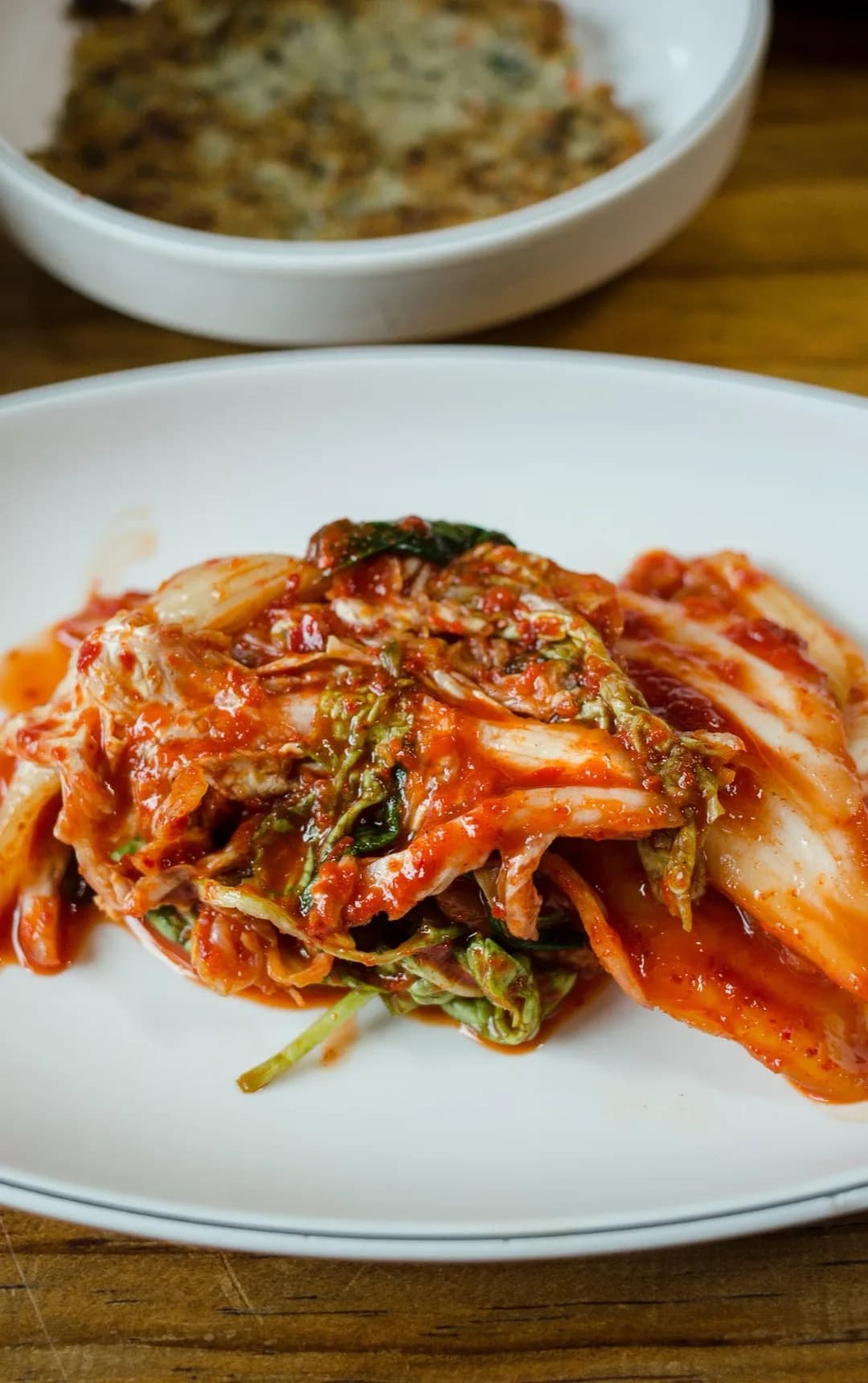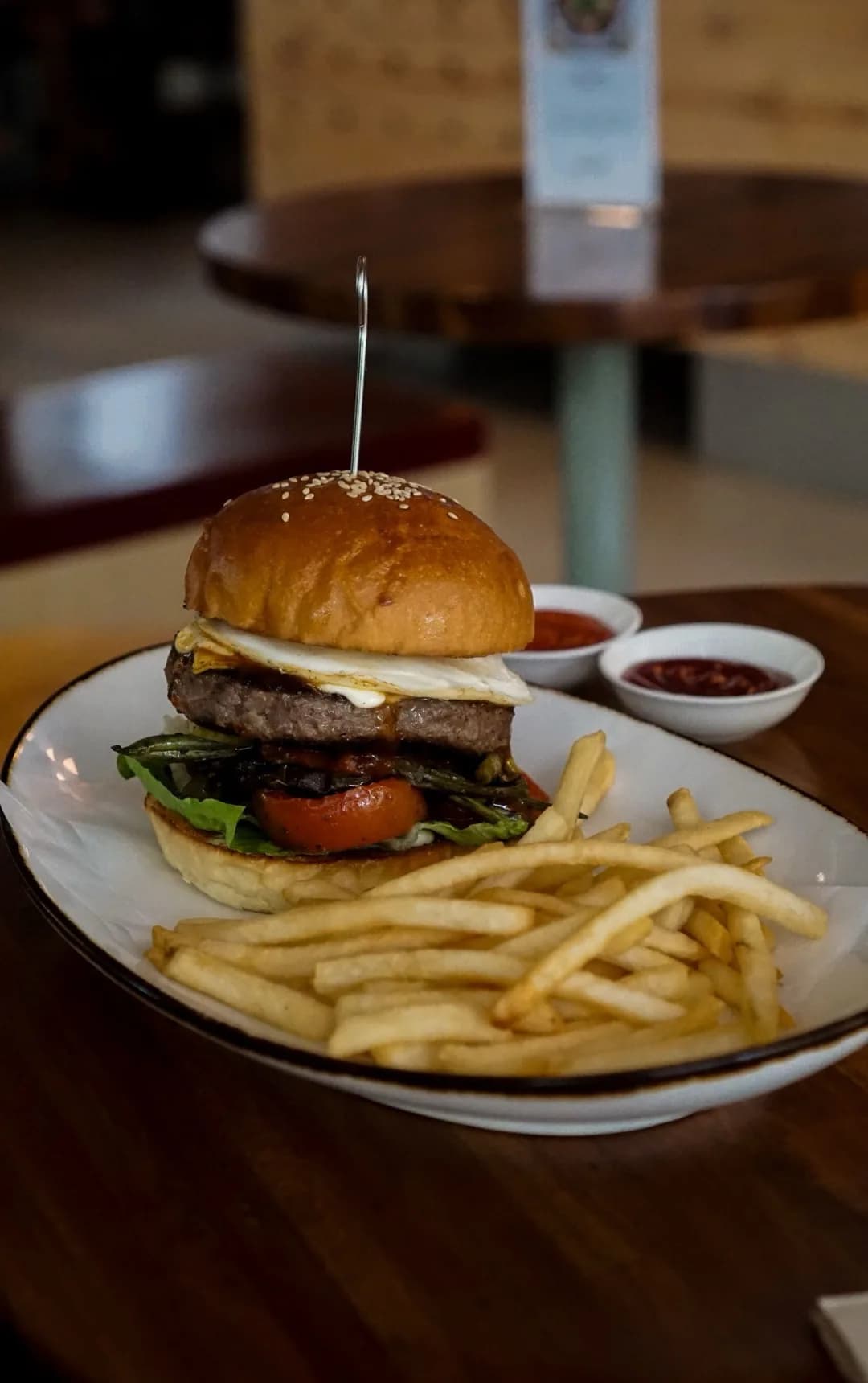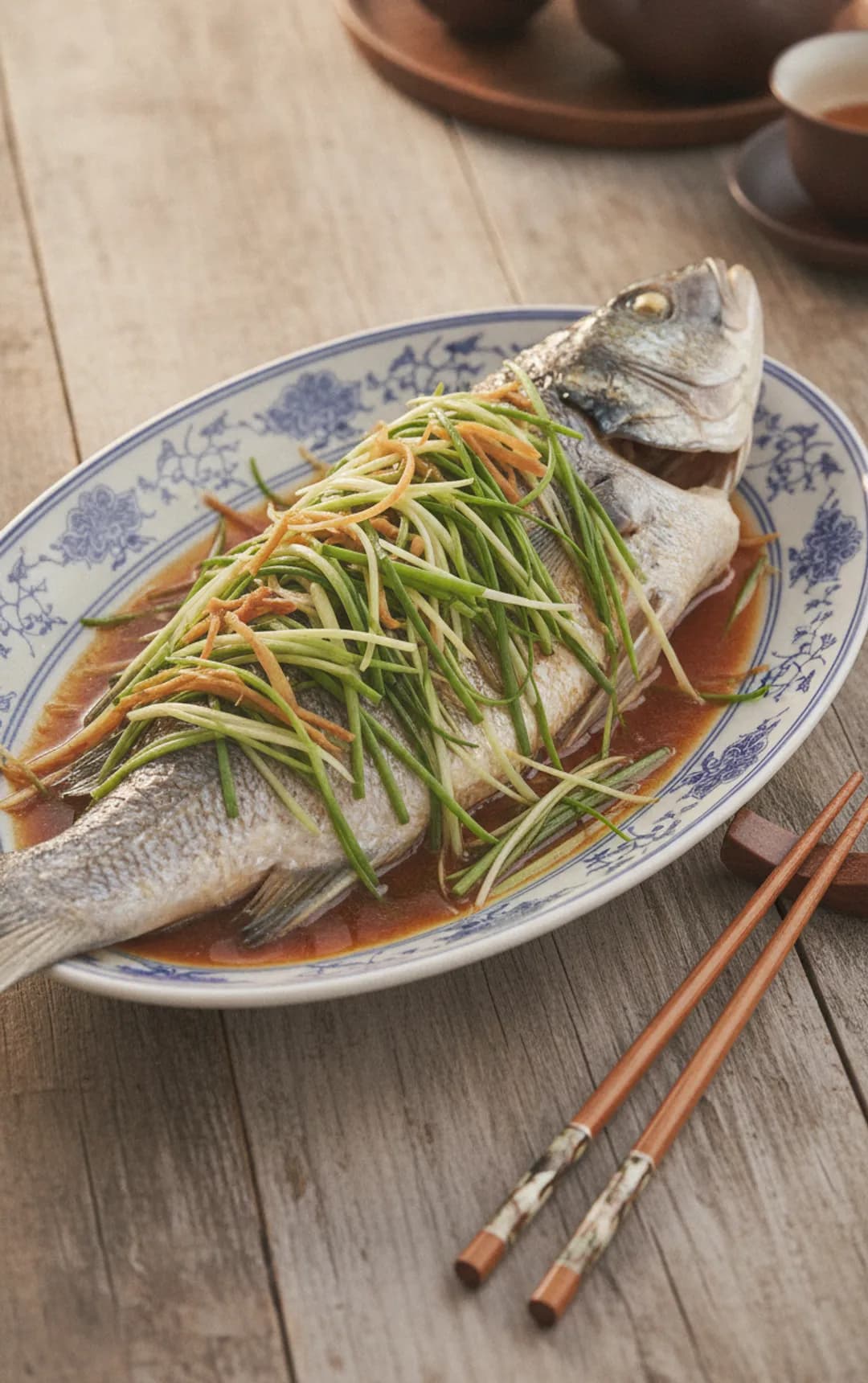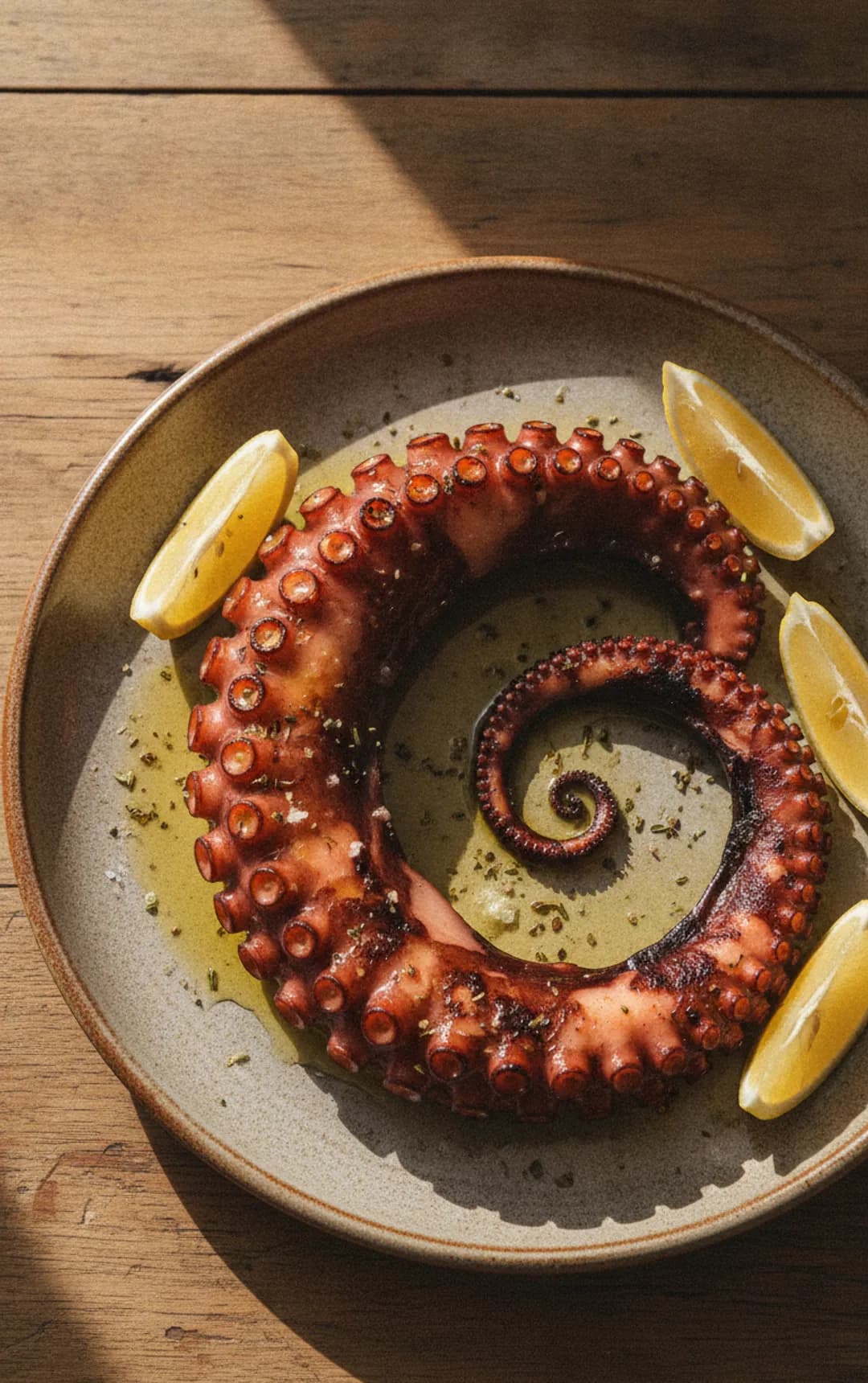
Yelp made Menu Vision generally available on iOS and Android in October 2025. Point your camera at a menu and it overlays dish photos and review snippets pulled from the restaurant's Yelp page.
When it works, it is genuinely good — seeing a photograph of the dish is often exactly what you wanted. It is worth understanding the three conditions it depends on, because all three fail in the situations where people most need help.
1. It requires the restaurant to already be on Yelp, with photos
Menu Vision surfaces existing user-generated content. Yelp's own documentation notes it needs a threshold of dish photos on the page to work. That means it performs best at exactly the restaurants that are already well documented — the popular ones in large cities — and degrades toward nothing at the small place down a side street.
2. It is English-only
This is the significant one. Yelp's support documentation states Menu Vision works on English menus. So the scenario where a menu scanner is most valuable — you are abroad, the menu is in a script you cannot read, and there is no second chance at dinner tonight — is the scenario it does not cover.
3. It doesn't know anything about you
Menu Vision shows you what other people photographed and what other people said. It has no model of your tastes. If you don't eat coriander, dislike a texture, or are avoiding dairy, the overlay is identical to everyone else's.
That is not a criticism of the engineering. It is a different product: Yelp is a discovery and reviews company, and Menu Vision extends the reviews corpus onto the physical menu. It is doing what it set out to do.
Where it genuinely wins
- Somewhere popular, in an English-speaking country
- When your question is "what does this look like"
- When you trust crowd consensus as a proxy for whether you'll like something
Where the gap is
- Menus in other languages
- Restaurants without an established photo corpus
- Anything about ingredients that were never printed — fish sauce, dashi, oyster sauce, anchovy
- Any question that depends on your own preferences rather than the average diner's
That last gap is the one TableSage was built for: it reads the dish rather than the reviews, and it starts from a taste profile you set up rather than from the crowd. It also never claims a dish is safe — recipes vary between kitchens, so the staff always have the final word.