Most advice about eating in Japan assumes the problem is politeness. It isn't. The problem is that you are standing in a six-seat izakaya, the menu is a column of handwritten kanji on a strip of wood, there are no pictures, and the chef is waiting.
This guide is about that moment.
Japanese menus are structured, and the structure is learnable
A Japanese menu is rarely a flat list. It is usually grouped by preparation method, which is genuinely useful once you can recognise the grouping — because the preparation tells you more about whether you'll enjoy a dish than the ingredient does.
The common headings you'll meet:
- 焼き物 (yakimono) — grilled
- 揚げ物 (agemono) — fried
- 煮物 (nimono) — simmered
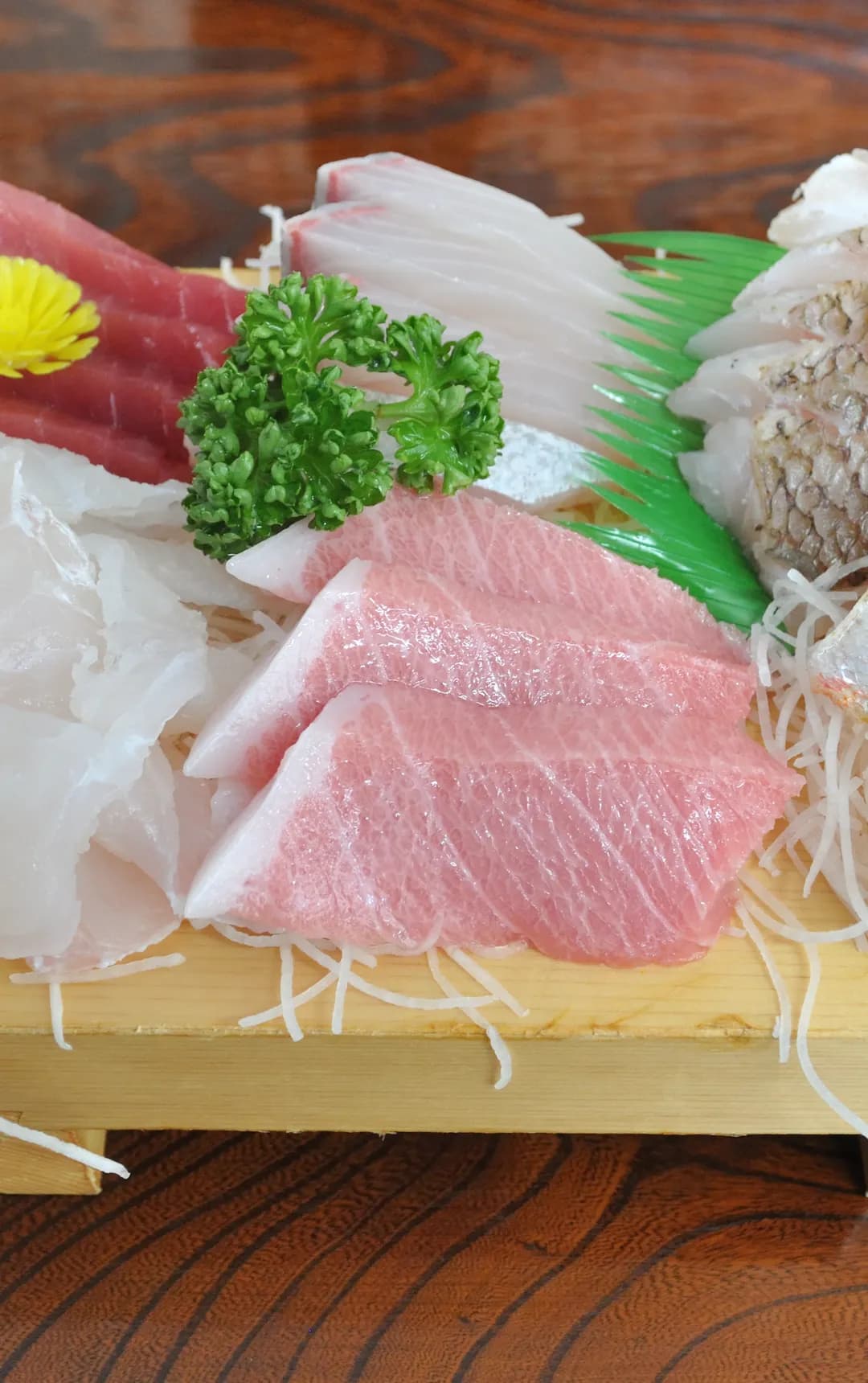
- 刺身 (sashimi) — raw, sliced
- 酢の物 (sunomono) — vinegared
- 麺類 (menrui) — noodles
If you know you dislike vinegared textures, 酢の物 is a section you can skip entirely without reading a single dish name. That is a faster win than translating twenty items.
Translation is not the same as interpretation
This is the part most travellers discover too late. A word-for-word translation of a dish name frequently tells you nothing, and occasionally misleads badly.
Machine translation renders 獅子頭 (shīzitóu) as "lion's head." It is a pork meatball. Turkish imam bayıldı comes back as "the imam fainted." It is stuffed aubergine. The translation is literally correct and practically useless.
What you actually need to know is what's in it, how it's cooked, and whether that matches what you like. That is interpretation, and it's a different task.
The ingredients that are never printed
Japanese cooking leans on a small set of foundational ingredients that menus almost never list, because to a Japanese diner they are assumed:
- だし (dashi) — the stock underlying most simmered dishes, typically made with katsuobushi (bonito). This is why "vegetable" dishes are frequently not vegetarian.
- みりん (mirin) and 酒 (sake) — in a great many glazes and sauces.
- 醤油 (shōyu) — soy sauce, and therefore wheat, in most non-tamari varieties.
If you avoid fish, the single most useful question you can ask is whether a dish contains dashi. It is far more likely to be the thing that catches you out than any ingredient printed on the menu.
What to actually do at the table
- Find the section headings first. Eliminate whole categories before you read a single dish.
- Ask one question, not five. "Is there dashi in this?" or "Does this have pork?" is easier for everyone than an interrogation.
- Learn three words that match your own constraints. Not a phrasebook — three.
- Photograph the menu. Even if you're translating it yourself, having it on your phone means you can work through it without the chef waiting.
Where TableSage fits
TableSage was built for exactly this moment. You photograph the menu, and it reads every dish — including the ingredients that aren't printed — then tells you which items suit the tastes you set up beforehand, and why.
It is not a translator. A translator hands you a list of English words. TableSage hands you a shorter list: the dishes on this menu that are likely yours.
It does not certify anything as safe. Recipes vary between restaurants and change without notice, so the staff always have the final word — but you'll walk in knowing which two questions are worth asking.