The single most common mistake visitors make in an Italian restaurant is not a faux pas. It is ordering a pasta and then wondering why no vegetables arrived.
Italian menus have a structure, and the structure carries information.
The sections mean something
- Antipasti — starters. Cured meats, vegetables, cheeses.
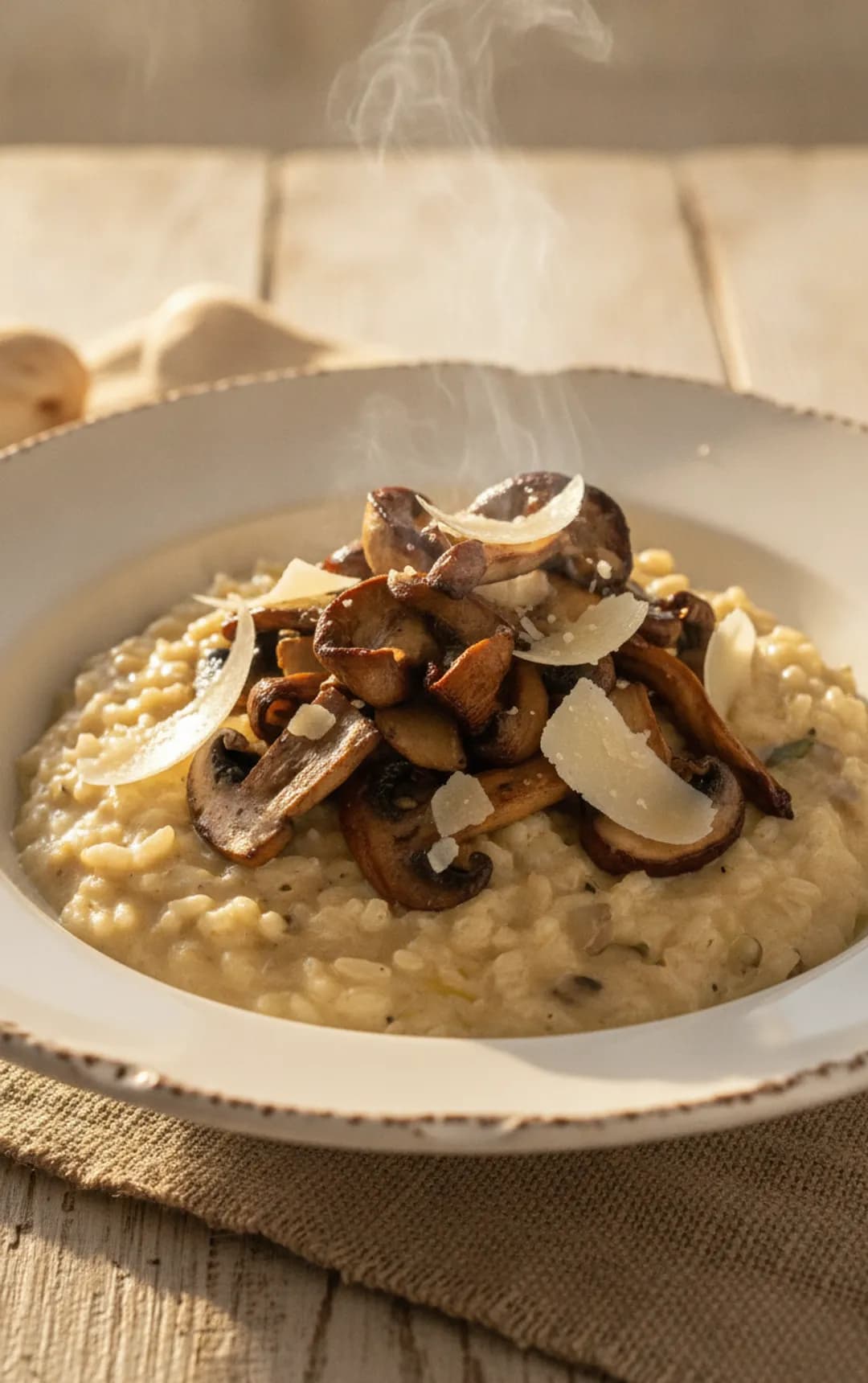
- Primi — first courses: pasta, risotto, soup. Not a starter, and not a main course either.
- Secondi — meat or fish, usually served alone on the plate.
- Contorni — side dishes. This is where the vegetables live.
- Dolci — dessert.
You are not expected to order one of each. Two courses is completely normal. But if you order a secondo and nothing else, you will receive a piece of meat and nothing beside it, because the vegetables were a separate decision you did not make.
Coperto is not a scam
A small per-person charge, typically €1–3, appears on most bills. It covers the cover — bread, linen, the table itself. It is legal, it is disclosed on the menu, and it is not a tip. Service is usually included; rounding up is generous rather than expected.
The ingredients that are not printed
Even a perfectly translated Italian menu will not tell you:
- Anchovy dissolved into a sauce base, where it reads as savoury depth rather than as fish. Puttanesca announces it; a great many braises do not.
- Animal rennet in traditional Parmigiano Reggiano, pecorino and grana padano — which matters to vegetarians even though cheese is not meat.
- Guanciale or pancetta in carbonara and amatriciana. There is no cream in a real carbonara, but there is pork.
- Egg in fresh pasta. Dried pasta usually has none.
Two things worth knowing about regions
Italy does not really have a national cuisine. Ordering carbonara in Bologna or ragù in Rome is not wrong, but you will get a better version of each in the other city. If a menu is short and unexplained, that is usually a good sign — it means the kitchen is cooking what is local rather than what tourists recognise.
What we do about it
TableSage reads the menu in front of you, including the anchovy in the sofrito and the rennet in the cheese, then tells you which dishes suit the tastes you set up. It never calls a dish safe — recipes vary and change without notice, so the staff have the final word — but you will know what to ask.
Also worth reading: Vegetarian at an Italian restaurant.